

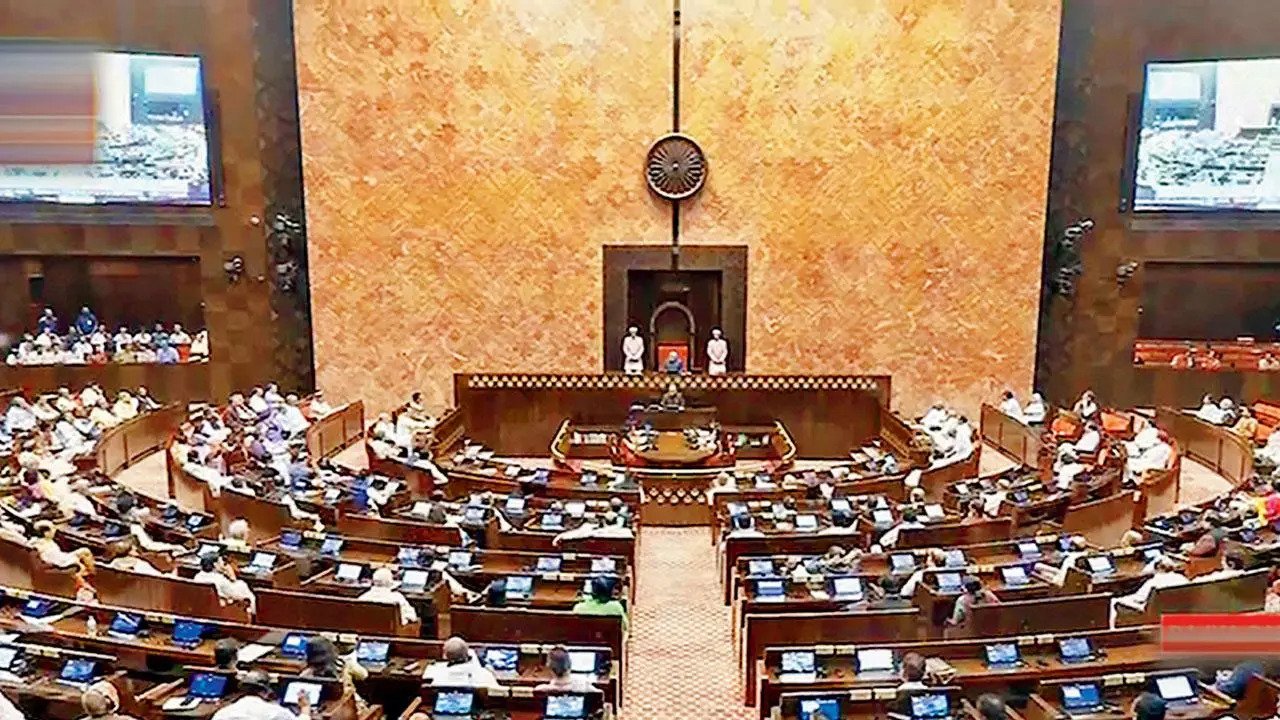

The Rajya Sabha has approved the NCDC Amendment Bill 2026, clearing legislation that aims to expand the financial role of the National Co-operative Development Corporation. The Lok Sabha had already passed the Bill, meaning Parliament has now approved the proposed changes to the National Co-operative Development Corporation Act, 1962.
The Bill seeks to make funding for cooperative societies faster, broader and more flexible. It would allow the NCDC to provide loans and grants directly to cooperative societies and other organisations involved in cooperative development. The funding must ultimately support cooperative activities.
The legislation was passed by voice vote after a debate in the Upper House. Minister of State for Cooperation Murlidhar Mohol introduced the Bill on behalf of Union Cooperation Minister Amit Shah. The Bill was passed in the Lok Sabha one day earlier.
What is the NCDC?
The National Co-operative Development Corporation is a statutory organisation that supports cooperative societies across India. It provides financial assistance for activities connected with agriculture, food processing, storage, marketing, exports, imports, industrial goods, livestock and other services.
Cooperatives play an important role in rural India. Farmers, dairy producers, fishers, workers and small businesses often use cooperative organisations to pool resources, access markets and improve their bargaining power. NCDC funding can help these organisations build warehouses, processing units, cold-storage facilities and transport networks.
The 1962 law created the framework for NCDC assistance. The new Bill updates that framework to reflect changes in the cooperative sector and the wider economy.
Direct loans and grants
One of the most important changes would allow the NCDC to provide loans and grants directly to cooperative societies. It could also assist any entity engaged in cooperative development, provided the funds are used for cooperative purposes.
At present, cooperative organisations may face delays when they seek funding through multiple government channels. Direct financial support could reduce paperwork and allow approved projects to receive money more quickly.
The NCDC may require security before issuing loans. This condition would help protect the corporation’s funds and reduce the risk of loan defaults. The organisation would also need to assess the financial health, purpose and management capacity of applicants.
The Bill would allow state governments to extend NCDC funding to entities involved in cooperative development. This provision could help states support regional projects that require central financing and local implementation.
Investment in cooperative share capital
The proposed law would allow the NCDC, with the Central government’s approval, to participate in the share capital of cooperatives or other entities involved in cooperative development.
This power could give the corporation another way to support cooperative organisations. Instead of offering only loans or grants, the NCDC could invest directly in the capital structure of eligible entities.
Such investments may help cooperatives expand their operations, purchase equipment or develop new services. However, the process would require clear rules to ensure that public funds are used responsibly. The NCDC board would also need to decide which organisations qualify for support.
Wider definition of foodstuffs
The Bill proposes to expand the meaning of “foodstuffs” under the existing law. The definition would include processed food and other food items notified by the Central government.
This change could support cooperatives involved in food processing, packaging and value-added agricultural products. Farmers may benefit if cooperatives process crops locally instead of selling raw produce at lower prices.
For example, a cooperative could use funding to establish a unit for making fruit pulp, packaged grains, dairy products or ready-to-cook food. Such projects can create local jobs and reduce wastage after harvest.
Changes for industrial goods
The Bill also seeks to remove a geographical restriction that applies to industrial goods. This would allow NCDC assistance for eligible activities regardless of where they are located.
The change could broaden the range of cooperative projects that receive financial support. It may help cooperatives involved in manufacturing, storage, transport and other industrial activities.
The government believes that a wider mandate will help the NCDC support modern cooperative enterprises. The sector now includes organisations working in areas such as renewable energy, digital services, food technology and logistics.
Government says farmers will benefit
The government has argued that the Bill will improve the economic position of farmers and cooperative members. Minister of State Murlidhar Mohol said the legislation would strengthen the cooperative sector and support the welfare of millions of farmers. [newsonair.gov](https://newsonair.gov.in/parliament-passes-ncdc-bill-to-boost-cooperative-sector/)
Better financing could help cooperatives purchase equipment, improve productivity and reach larger markets. It could also encourage members to take part in processing and marketing instead of depending only on private intermediaries.
However, financial support alone will not solve every problem. Cooperatives also need professional management, transparent elections, accurate accounts and strong oversight. Poor governance or weak repayment systems could reduce the impact of the new provisions.
## Opposition raises concerns
The Bill was passed amid political disagreements in Parliament. Opposition members raised objections during the discussion and later walked out, according to reports.
The debate included concerns about accountability, the distribution of funds and the role of the Central government in the cooperative sector. Critics may seek greater clarity on how the NCDC will select beneficiaries and monitor the use of public money.
The Bill states that it would not require additional expenditure from the Consolidated Fund of India. The government will still need to create effective systems for supervision, reporting and recovery of loans.
What happens next?
After Parliament’s approval, the Bill will move through the remaining constitutional process before becoming law. The amendments will come into force on a date notified by the Central government.
The NCDC will then need to prepare rules and procedures for direct loans, grants and investments. Cooperative societies may also need to meet new eligibility, security and reporting requirements.
Conclusion
The NCDC Amendment Bill 2026 gives the National Co-operative Development Corporation a wider role in supporting India’s cooperative sector. It allows direct loans and grants, permits approved investment in cooperative share capital, expands assistance for processed food and removes certain limits on industrial goods. The success of the law will depend on transparent funding, responsible lending and strong management by cooperative organisations.
Read Also | Pakistan’s Interior Minister Mohsin Naqvi travelled to Tehran for talks with senior Iranian leaders.














Leave a comment