

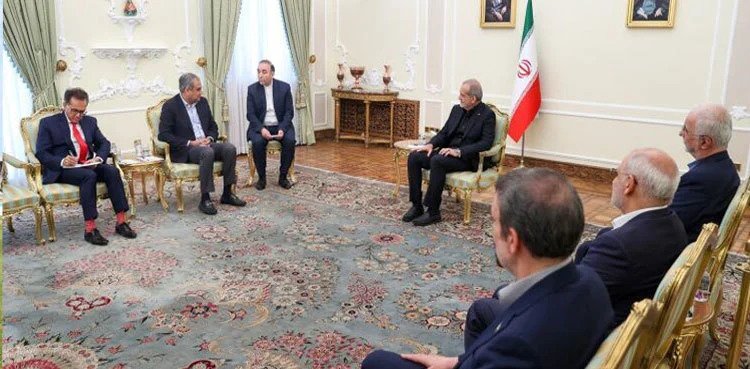

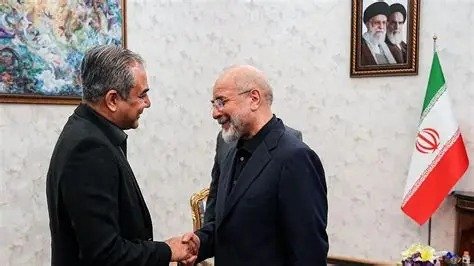
Pakistan’s Interior Minister Mohsin Naqvi travels to Tehran for talks with senior Iranian leaders as Islamabad tries to support diplomatic efforts between Iran and the United States. Naqvi met Iranian President Masoud Pezeshkian and Foreign Minister Abbas Araghchi during his visit to the Iranian capital.
The meetings focused on Pakistan–Iran relations, regional security and efforts to revive stalled U.S.–Iran negotiations. Pakistan is attempting to keep a mediation channel open as tensions continue to affect the Middle East and the strategic Strait of Hormuz.
Naqvi’s visit came at a sensitive time. The United States and Iran remain divided over security, military operations, regional influence and the future of negotiations. Pakistan wants to present itself as a possible bridge between the two sides, even as other countries, including Oman, also work to support dialogue.
Meetings with Iran’s top leaders
During his visit, Naqvi held discussions with President Pezeshkian and Foreign Minister Araghchi. Iranian state media also reported that he met Interior Minister Eskandar Momeni. The meetings covered bilateral relations, regional developments and the possibility of restarting diplomatic negotiations.
Naqvi reportedly carried messages from Pakistan’s Prime Minister Shehbaz Sharif and other senior officials. Islamabad has not released every detail of those messages, but Pakistani officials have described the visit as part of continuing diplomatic engagement with Tehran.
The visit also showed the importance Pakistan places on its relationship with Iran. The two countries share a border, cultural links and common security concerns. Their ties have sometimes faced tension because of border incidents, militant activity and disagreements over trade. Direct talks can help both sides manage those challenges.
Pakistan’s role in mediation
Pakistan has attempted to position itself as a mediator in the U.S.–Iran crisis. Islamabad has held contacts with officials from both countries and has supported negotiations aimed at reducing tensions. The Pakistani government believes that dialogue offers the best way to prevent further escalation.
Naqvi’s visit represented another effort to maintain communication. Pakistan has particular reasons to support stability in the region. Any conflict involving Iran could affect Pakistan’s western border, trade routes, energy supplies and the movement of people across the region.
The Strait of Hormuz remains central to the diplomatic discussions. The narrow waterway links the Persian Gulf with the Gulf of Oman and carries a large share of global oil and gas shipments. Any disruption could raise energy prices and increase pressure on economies across Asia, including Pakistan and India.
Concerns over regional security
Security remained a major issue during Naqvi’s meetings. Pakistan and Iran have previously faced problems linked to armed groups operating near their shared border. Both governments have called for stronger cooperation to prevent militant attacks and protect border communities.
Regional tensions have also affected shipping, energy markets and civilian movement. Pakistan wants neighbouring countries to avoid actions that could create a wider conflict. Naqvi’s discussions therefore covered not only U.S.–Iran relations but also the wider security situation in West Asia.
The Pakistani government has not claimed that the Tehran visit produced a final agreement. Instead, the meetings appear to have focused on communication, confidence-building and the possibility of further diplomatic contact. Officials are expected to continue discussions through diplomatic channels.
Importance of Pakistan–Iran relations
Pakistan and Iran maintain close geographic links, but their relationship has experienced several difficult periods. The countries cooperate in areas such as trade, border management and cultural exchange, while disputes have emerged over security and cross-border activity.
Regular contact between senior officials can reduce the risk of misunderstandings. It can also support practical cooperation on border crossings, transport, energy and commerce. Naqvi’s visit provided an opportunity to discuss these bilateral matters alongside the larger international crisis.
For Pakistan, better relations with Iran could help improve stability in its western provinces. For Iran, engagement with Islamabad offers another regional channel at a time when Tehran faces pressure from the United States and its allies.
Diplomatic challenges ahead
Pakistan’s mediation effort faces several challenges. The United States and Iran have major disagreements, and neither side may accept proposals that fail to address its core security concerns. Other countries are also seeking influence in the talks, which could make the diplomatic process more complicated.
Pakistan must also maintain a careful balance. Islamabad has close security and economic relationships with several countries, including the United States, Saudi Arabia, China and Iran. A successful diplomatic role would require Pakistan to communicate with all sides without appearing to take complete ownership of another country’s negotiations.
Naqvi’s visit may help Pakistan preserve its access to Iranian leaders, but a single meeting cannot resolve the larger dispute. Further discussions, clear communication and agreement on practical steps will be necessary before the talks can make meaningful progress.
What happens next?
Pakistan and Iran are expected to continue diplomatic consultations after Naqvi’s Tehran visit. Officials may also share messages with U.S. representatives as efforts to revive negotiations continue.
The immediate focus will remain on reducing tensions, protecting shipping and keeping the Strait of Hormuz open. Pakistan will likely present dialogue as the safest route for all parties.
Conclusion
Mohsin Naqvi travels to Tehran to meet Iranian leaders as Pakistan works to support stalled U.S.–Iran negotiations. His meetings with President Masoud Pezeshkian and Foreign Minister Abbas Araghchi focused on bilateral ties, regional security and possible diplomatic progress. The visit does not represent a final peace agreement, but it highlights Pakistan’s attempt to act as a regional bridge during a period of serious uncertainty.
Also Read | Cristiano Ronaldo and Georgina Rodríguez Get Married After Almost 10 Years Together







Leave a comment