

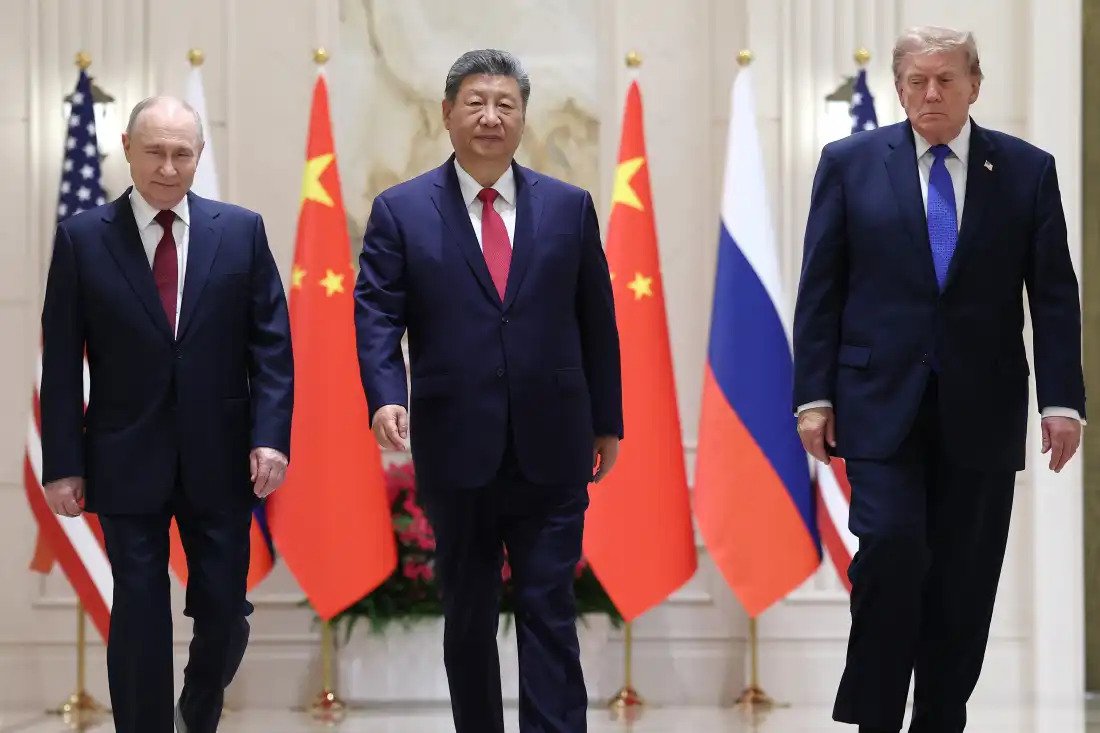

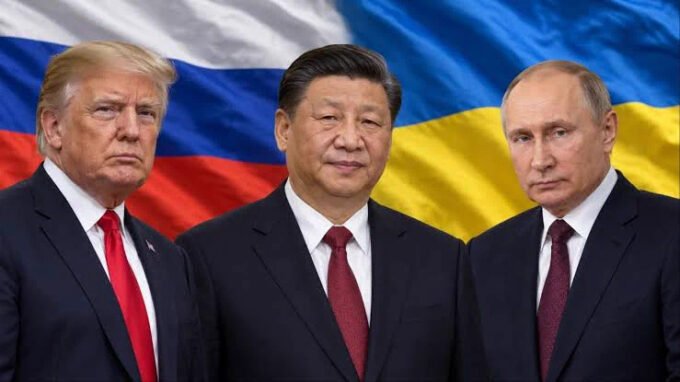
The Trump-Xi-Putin Summit 2026 brought the leaders of the United States, China and Russia together in Shenzhen on November 19. Held alongside the Asia-Pacific Economic Cooperation gathering, the meeting placed nuclear security, global diplomacy and economic stability at the centre of international attention. It also raised questions about how these powerful countries intend to manage their disagreements.
Following the talks, Chinese and Russian officials announced a declaration covering nuclear risks, United Nations reform, energy supplies and international courts. Agence France-Presse reported that the White House had yet to release the document when its report was first published. The published text offers an outline of the commitments presented after talks.
Politically, the summit gave Donald Trump an opportunity to present direct engagement with Xi Jinping and Vladimir Putin as part of his foreign policy. At the meeting, Trump said the three countries were positioned to discuss reducing nuclear weapons and the risks of using them. His public emphasis was on negotiation between national leaders.
For Xi, hosting the meeting created a platform to promote China’s preferred approach to international relations. According to Xinhua, he called for mutual respect, peaceful coexistence, cooperation and consultation. His remarks also stressed sovereignty and caution over sensitive issues. Beijing presented the encounter as an opportunity for major powers to improve communication.
For Putin, meeting the American and Chinese presidents together carried diplomatic value. Reuters reported that analysts viewed the occasion as helping him regain international credibility while Russia’s war in Ukraine continued. The political question is how this renewed engagement affects relations with governments concerned about Russia’s conduct and the future of Ukraine.
The military significance centres on nuclear risk. The declaration reaffirmed the position that nuclear war must be prevented and committed the three countries to dialogue on reducing risks and preventing proliferation. Future discussions would need to address practical questions about communication, transparency and how governments assess one another’s military intentions.
Those questions have become more urgent since the expiration of New START on February 5, 2026. The treaty had placed verifiable limits on deployed strategic nuclear weapons held by the United States and Russia. The United Nations warned about its expiry, underlining the importance of rebuilding arrangements that help manage nuclear competition.
Bringing China into that conversation presents its own challenge. Beijing has argued that its nuclear forces are much smaller than those of Washington and Moscow. That difference complicates agreement on what limits would be fair. A negotiating process would therefore need to account for different stockpiles, security concerns and expectations about future military development.
The economic angle begins with energy. The published declaration said the countries planned to increase production and supplies of refined petroleum products and supported stable energy flows. For businesses, the practical questions include how much additional fuel would become available, when it would arrive and how reliably it could move across borders.
Any economic benefits would depend on implementation. More reliable fuel supplies could help transport companies, manufacturers and importers plan their costs. However, the declaration’s broad wording leaves those effects dependent on later decisions. Tracking production commitments and shipping arrangements would offer a clearer picture of its commercial significance.
Trade also featured in Trump’s separate meeting with Xi. China’s foreign ministry said Xi called for stronger communication on economic and trade matters to address concerns on both sides. For companies doing business between the two countries, continued dialogue could influence expectations about market access and the stability of commercial relationships.
Taiwan remained a sensitive diplomatic issue. Reuters reported that Xi urged Washington to handle the matter carefully to avoid setbacks in relations. This shows how economic discussions sit alongside deeper security disagreements. Progress in one area can remain vulnerable to a confrontation elsewhere, especially when leaders describe an issue as central to national interests.
The declaration also committed the countries to seeking United Nations reform and expressed their position on the immunity of state officials before international courts. These points matter politically because they concern who shapes international institutions and how those institutions exercise authority. Concrete proposals would reveal more about the changes the leaders want.
Regional conflicts remain another test. The Associated Press reported that the published declaration omitted the wars in Ukraine and Iran, although Trump said he raised both. Governments affected by those conflicts will judge diplomacy through developments on the ground, including negotiations and changes in military activity.
For India, a possible economic implication is greater predictability in fuel supplies, especially during periods of international tension. Any effect on import costs would depend on actual delivery arrangements and market conditions. Diplomatically, continued dialogue among Washington, Beijing and Moscow could create opportunities for cooperation while requiring New Delhi to assess each relationship separately. The summit’s relevance would therefore emerge through specific decisions on trade, energy and security, alongside India’s own interests and partnerships.
Also Read | US Measles Crisis: Why America Lost Its Elimination Status After 26 Years









Leave a comment