

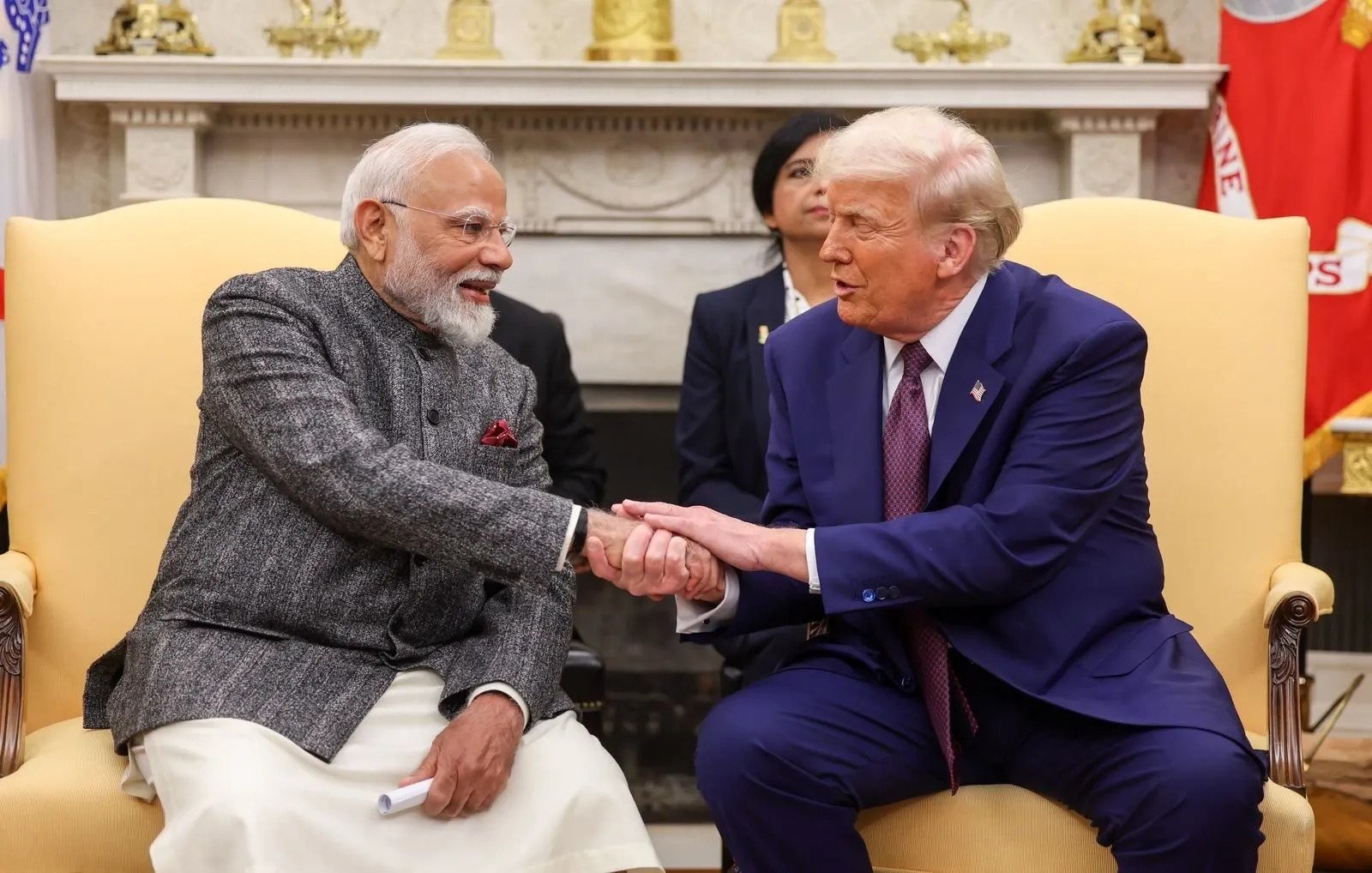

New Delhi: India and the United States are facing a fresh phase of trade uncertainty after the U.S. House of Representatives passed legislation that could allow President Donald Trump to impose tariffs of up to 100% on countries buying Russian oil, potentially affecting major buyers such as India and China. The development has renewed concerns about the future of India–US trade negotiations and the cost of maintaining India’s energy supplies.
The measure is part of a broader U.S. effort to increase economic pressure on Russia. It is important to note that the legislation does not itself mean a 100% tariff has already been imposed on India. The bill still has to move through the U.S. legislative process and, if enacted, would give the President authority to impose such measures.
Why Russian Oil Is at the Centre of the Dispute
India has remained a major buyer of Russian crude oil, particularly since changes in global energy markets following Russia’s invasion of Ukraine.
New Delhi has repeatedly said that securing reliable and affordable energy for its population is a key consideration in its oil purchasing decisions. The Indian government has also stressed that it sources energy from multiple countries and will take steps to protect its economic interests.
Washington, meanwhile, has been using tariffs and sanctions as economic tools aimed at reducing purchases of Russian energy.
The latest U.S. legislation therefore links trade policy with energy policy, creating a challenge for Indian companies that depend on global crude supplies.
India Already Has Experience With Tariff Pressure
The latest dispute follows several changes in U.S. tariff policy toward Indian imports over the past two years.
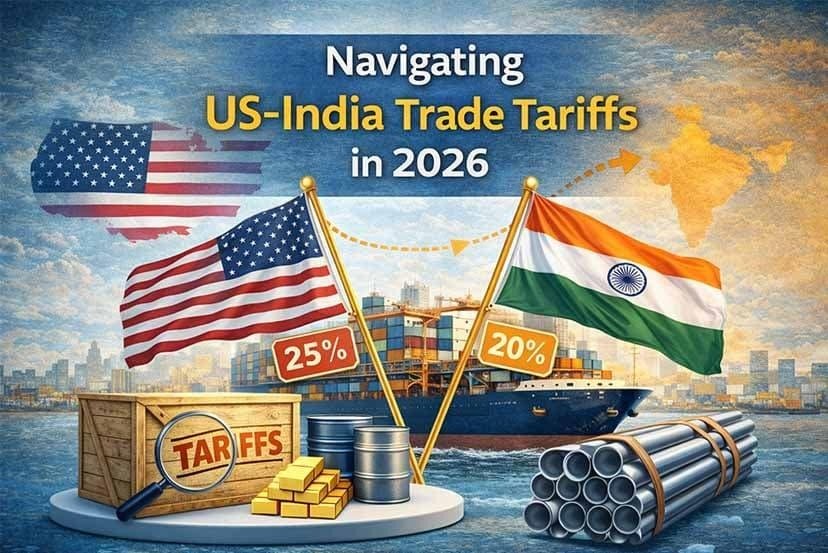
In February 2026, the United States removed an additional 25% duty on Indian imports that had previously been imposed because of India’s purchases of Russian oil. The White House said the change followed India’s commitment to stop directly or indirectly importing Russian oil and its stated intention to buy U.S. energy products.
At the same time, the two countries had reached a framework for an interim trade agreement in February. The agreement was intended to support reciprocal trade, improve market access and create more resilient supply chains.
The possibility of new tariffs linked to Russian oil purchases could therefore add another complication to negotiations that were already dealing with market-access and tariff issues.
What Could Happen to Indian Exporters?
The United States is one of India’s most important export markets.
According to the U.S. Trade Representative, total U.S.–India goods and services trade was an estimated $239.6 billion in 2025. U.S. goods imports from India stood at approximately $103.8 billion, while U.S. goods exports to India were about $45.4 billion.
Indian exporters in sectors such as engineering goods, electronics, pharmaceuticals, textiles, jewellery and machinery could face increased costs if broad additional tariffs are introduced.
Higher duties can make imported products more expensive in the U.S. market. Companies may then have to absorb part of the cost, reduce profit margins or raise prices for American buyers.
However, the actual impact would depend on the final tariff rate, which products are covered and whether exemptions are negotiated.
Trade Data Shows Some Resilience
Despite tariff uncertainty, India’s exports to the United States have continued to show strength in recent months.
India’s merchandise exports reached $43.81 billion in August 2026, while exports to the U.S. increased to about $8.3 billion, according to data reported by the Indian Express. The publication also noted that the effective U.S. tariff burden on many Indian goods had fallen to around 10% at that point, compared with much higher levels in August 2025.
This suggests that Indian exporters have continued to adapt to changing trade conditions.
Still, another significant increase in U.S. duties could make that adjustment more difficult, especially for businesses operating with narrow margins.
Energy Security Is the Bigger Concern
For India, the tariff dispute is closely connected to energy security.
India is the world’s third-largest oil importer, and crude imports play a major role in its economy. The cost of imported oil can influence the trade deficit, inflation, transportation expenses and the price of petroleum products.
Recent trade data shows how important the issue has become. India’s crude oil imports rose 25.8% year-on-year to $16.69 billion in August 2026, while the country’s crude basket averaged about $90.19 per barrel during the month.
If India reduces Russian crude purchases because of U.S. pressure, Indian refiners may need to replace some volumes with oil from the Middle East, the United States or other suppliers. That could increase costs if alternative grades are more expensive or shipping distances are longer.
The U.S. Also Has Interests at Stake
The trade relationship is important for both sides.
For the United States, India is a large and growing market for energy products, technology, aircraft, machinery and other goods and services. The U.S. has also sought greater market access in India as part of bilateral trade negotiations.
For India, the U.S. is a major export destination and an increasingly important partner in areas such as technology, manufacturing, defence and energy.
A prolonged tariff dispute could therefore affect businesses in both countries.
New Solar Duties Add Another Trade Challenge
Tariff tensions are not limited to Russian oil.
On September 11, the U.S. Commerce Department finalized substantial duties on solar cells and panels from India, Indonesia and Laos, after determining that producers had engaged in dumping and benefited from government subsidies. The measures add another layer to trade friction between Washington and New Delhi.
For India’s growing renewable-energy manufacturing industry, access to the U.S. market is commercially significant.
At the same time, higher duties could encourage companies to redirect exports toward other markets or reconsider investment plans.
What Happens Next?
The immediate focus will be on the U.S. legislation targeting countries that continue buying Russian oil. India has said it is monitoring the situation and is prepared to protect its economic interests while maintaining its energy-security priorities.
The issue is also likely to feature in upcoming India–US trade discussions. Indian Trade Minister Piyush Goyal is expected to engage with U.S. officials during meetings connected with the G20 trade ministers’ process.
For India, the challenge is to protect access to affordable energy while keeping its major export market open. For the United States, the challenge is balancing pressure on Russia with its broader economic relationship with India.
The coming months will therefore be important for both India–US trade and India’s energy strategy, particularly if the proposed tariff powers become law.
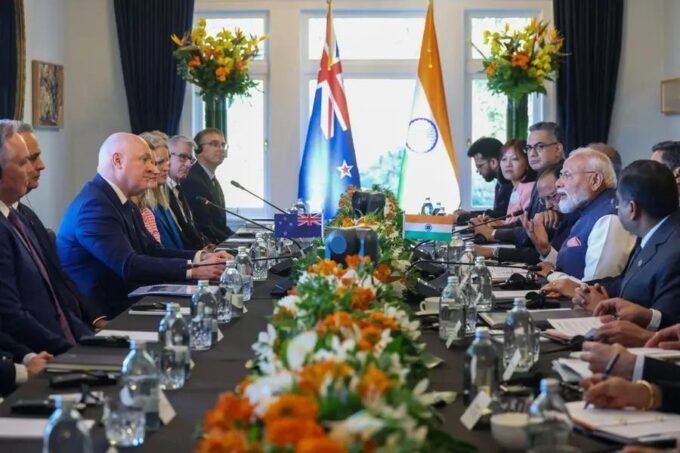
Also Read | New Zealand Parliament Approves India Free Trade Agreement Legislation









Leave a comment