

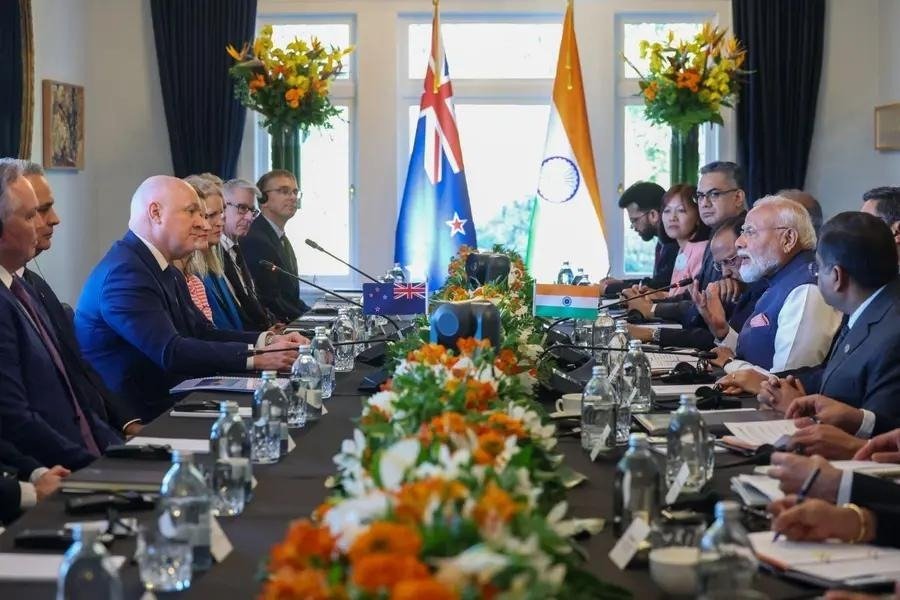

New Zealand Parliament Approves India Free Trade Agreement Legislation
Wellington: New Zealand’s Parliament has approved legislation to implement the country’s Free Trade Agreement (FTA) with India, marking a significant step toward putting the bilateral trade pact into effect. The legislation passed on Wednesday by 93 votes to 29, with support from the opposition Labour Party. The agreement is designed to lower or remove tariffs on a large share of goods traded between the two countries.
The agreement is expected to improve market access for New Zealand exporters while giving Indian goods wider duty-free access to the New Zealand market. The pact now moves closer to implementation after both countries complete their respective domestic ratification procedures.
Tariffs to Fall on Most New Zealand Exports
One of the central features of the agreement is the reduction of tariffs on New Zealand products entering India.
According to New Zealand’s government, 57% of New Zealand exports to India will become duty-free from the first day the agreement takes effect. Once the agreement is fully implemented, tariffs will be eliminated or significantly reduced on about 95% of New Zealand’s exports to India.
The changes are expected to matter particularly for sectors such as agriculture and food products, where tariffs have traditionally affected the competitiveness of New Zealand goods in the Indian market.
The New Zealand government said the agreement could create opportunities for businesses seeking access to India’s large consumer market.
Indian Goods to Receive Duty-Free Access
The agreement also contains important benefits for Indian exporters.
Under the deal, Indian goods will receive duty-free access to New Zealand, according to Reuters reporting on the parliamentary vote. This could make Indian products more competitive in New Zealand and potentially support growth in bilateral trade.
The agreement covers more than goods alone. The two countries have also been working to expand cooperation in services and investment, creating a broader framework for economic ties.
For Indian companies, improved access to New Zealand could provide opportunities in sectors including manufacturing, technology, pharmaceuticals, services and other export-oriented industries.
Agreement Signed Earlier This Year
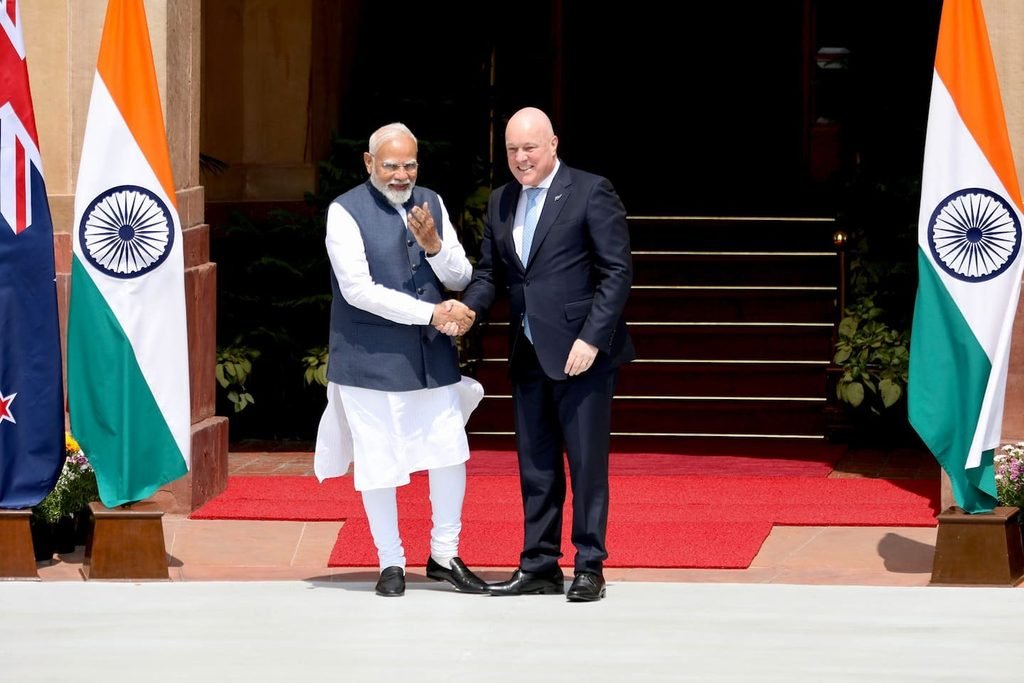
The parliamentary approval follows the formal signing of the New Zealand-India FTA in New Delhi on April 27, 2026.
New Zealand Prime Minister Christopher Luxon and Trade and Investment Minister Todd McClay described the agreement as an important opening for New Zealand businesses. It was signed by New Zealand Trade Minister McClay and India’s Commerce and Industry Minister Piyush Goyal.
The signing started the formal process required for the agreement to move through New Zealand’s parliamentary and treaty procedures.
In June, the implementing bill passed its first reading in the New Zealand Parliament and was referred to the Foreign Affairs, Defence and Trade Committee for further consideration.
The final parliamentary approval on September 16 represents the next major step toward bringing the agreement into operation.
Investment Also Included in the Deal
The trade agreement is not limited to tariff reductions.
According to Reuters and New Zealand government information, the package includes a New Zealand investment commitment of $20 billion over 15 years in India. The agreement is also intended to improve the environment for investment and strengthen business links between the two economies.
The investment component could support deeper connections between businesses in both countries, particularly as Indian and New Zealand companies seek opportunities in expanding markets.
Kiwifruit Industry Expected to Benefit
New Zealand’s agricultural sector is one of the industries closely watching the agreement.
The country’s government said the kiwifruit industry expects to save around $125 million in tariffs over five years under the new trade arrangements.
New Zealand is a major producer and exporter of kiwifruit, and improved access to the Indian market could reduce some of the costs faced by exporters.
The agreement also includes provisions related to services and a Most-Favoured-Nation commitment for certain areas, including wine and priority services access, according to the New Zealand government.
A Bigger Economic Relationship
The FTA comes as India and New Zealand are strengthening their wider economic and diplomatic relationship.
In July 2026, the two countries elevated their relationship to a Strategic Partnership and agreed on a Roadmap to 2030. The roadmap includes cooperation in trade, investment, technology, agriculture, education, tourism, maritime security and other areas.
The two governments have also set an objective of doubling two-way trade by 2030, making the trade agreement a central part of their wider economic strategy.
The trade pact therefore comes at a time when both governments are seeking to expand the relationship beyond traditional areas of cooperation.
What the Parliamentary Vote Means
The 93-29 parliamentary vote provides the legislative approval required on the New Zealand side to implement the agreement. The support from the opposition Labour Party also means the legislation received backing beyond the governing parties.
However, parliamentary approval does not mean the agreement takes effect instantly. Both India and New Zealand still need to complete their respective domestic procedures before the FTA becomes operational.
Businesses in both countries will therefore be watching for further announcements on the implementation timetable.
What It Could Mean for Trade
Once in force, the agreement could change the cost structure for a wide range of products traded between India and New Zealand.
For New Zealand exporters, lower Indian tariffs could improve access to one of the world’s largest consumer markets. For Indian exporters, duty-free access to New Zealand could reduce costs and improve their competitive position.
The broader impact will depend on how quickly businesses respond to the new market opportunities, how trade volumes develop and how effectively companies use the agreement’s provisions.
Looking Ahead
The approval of the New Zealand-India Free Trade Agreement legislation marks an important stage in the two countries’ growing economic relationship. The agreement promises significant tariff reductions, wider market access and new investment opportunities, but its full impact will become clearer only after implementation begins.
For now, businesses and investors are waiting for both countries to complete their final procedures. Once that process is completed, the agreement will provide a new framework for expanding trade between India and New Zealand and could become an important part of their broader economic partnership.
Also Read | PM Modi and Putin Ride Together After Key Bilateral Meeting at SCO Summit












Leave a comment