

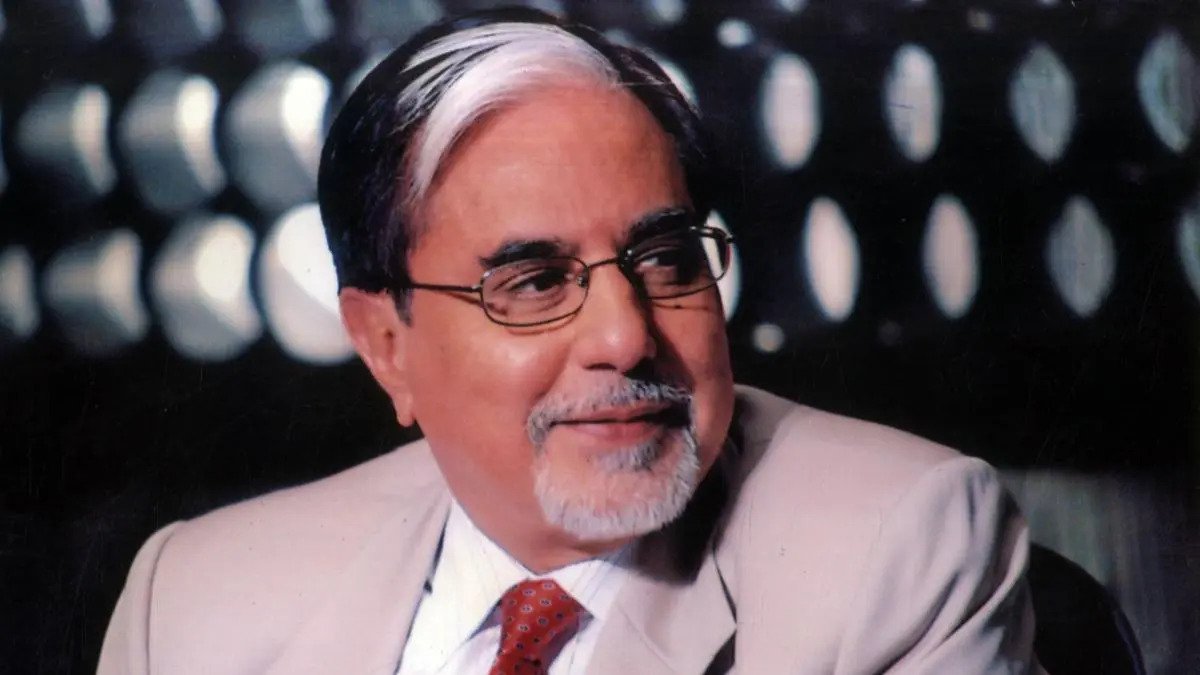

The Subhash Chandra insolvency case has attracted major attention after the National Company Law Tribunal (NCLT) approved a repayment plan under which creditors are expected to receive ₹6.25 crore. The total admitted claims in the proceedings stand at around ₹22,006.57 crore. An additional ₹25 lakh has been earmarked for insolvency process costs.
The huge gap between the two numbers has raised questions among banks, investors and financial experts. On the surface, ₹22,006 crore versus ₹6.25 crore appears to represent an extremely deep reduction in recovery. However, the case is more complicated because the ₹22,006.57 crore figure represents claims admitted in proceedings against Chandra in his capacity as a personal guarantor. It does not mean that he personally received ₹22,006 crore in loans.
Where Did the ₹22,006 Crore Figure Come From?
Subhash Chandra gave personal guarantees and indemnities connected with borrowings by companies associated with the Essel Group. When corporate borrowers failed to meet their obligations, creditors pursued claims involving those guarantees.
Under the insolvency process, various creditor claims were admitted. The total eventually reached approximately ₹22,006.57 crore. However, Chandra’s office has contested the interpretation of this figure.
According to his side, the amount that should be considered as the claim against him as a personal guarantor is about ₹3,992 crore, rather than the entire ₹22,006 crore figure cited in reports and the proceedings.
This distinction is important because the corporate borrowers remain separately responsible for their own debts. The personal insolvency proceedings focus on Chandra’s obligations arising from guarantees and related commitments.
Why Is the Recovery Only ₹6.25 Crore?
The approved repayment plan provides ₹6.25 crore to creditors. That amount is only a small fraction of the admitted claims.
The NCLT approved the plan after creditors voted on the proposal. According to The Indian Express, 23 creditors participated in the voting process. The plan received about 80.814% of the vote, while creditors opposing it represented around 19.186% of the vote.
Several banks opposed the plan and have questioned how certain creditors were allowed to participate in the voting process. They have argued that some entities supporting the plan were allegedly associated with or related to Chandra.
Chandra’s office has denied those allegations. It has said that some of the entities mentioned by lenders were connected to Jawahar Goel, whose business interests were separated from Chandra’s through a family business separation process years ago.
Why Are Banks Challenging the NCLT Decision?
Banks and other lenders have expressed concern about the extremely low recovery. HDFC Bank said it was considering an appeal against the NCLT order. Other creditors, including LIC Housing Finance and Union Bank of India, have also indicated plans to challenge the repayment arrangement before the National Company Law Appellate Tribunal (NCLAT).
The controversy goes beyond the size of the repayment. Creditors have also raised questions about whether some claims were properly verified before voting rights were assigned.
The NCLT itself identified concerns about the admission of certain claims. The tribunal found discrepancies involving 1,260 individual claims that had allegedly been admitted without adequate documentary verification.
These findings could become important as the dispute moves through the appellate process.
What Is an Insolvency Haircut?
The term haircut is commonly used in banking when creditors recover less than the amount they are owed or the value they originally expected to recover.
In Chandra’s case, the difference between the admitted claims and the proposed repayment has led to comparisons with an almost complete haircut. However, describing it simply as a 99.97% loss on ₹22,006 crore can be misleading because the proceedings involve personal guarantees rather than a straightforward loan of ₹22,006 crore directly to Chandra.
The case has therefore become an important example of the complexities surrounding personal guarantees, corporate debt and India’s insolvency framework.
Why the Case Matters
The Subhash Chandra insolvency case is significant because it highlights the difficult balance between recovering money for creditors and completing an insolvency process within the legal framework.
For banks, the case raises concerns about recovery and due diligence. For promoters and guarantors, it highlights the long-term consequences of personal guarantees given for corporate borrowing.
The case also shows why large debt figures should be examined carefully. The ₹22,006.57 crore number represents admitted claims in the insolvency proceedings, while Chandra’s side disputes that it represents his personal debt and cites a much lower figure of about ₹3,992 crore. The approved repayment plan provides ₹6.25 crore to creditors, creating a major legal and financial debate.
As the lenders challenge the decision, the NCLAT proceedings will be closely watched. The final outcome could clarify the scope of personal-guarantee liabilities and how creditors’ interests are protected under India’s insolvency system.
Read Also | 16-Year-Old Girl Allegedly Gang-Raped Inside Sleeper Bus; Driver and Conductor Arrested











Leave a comment