

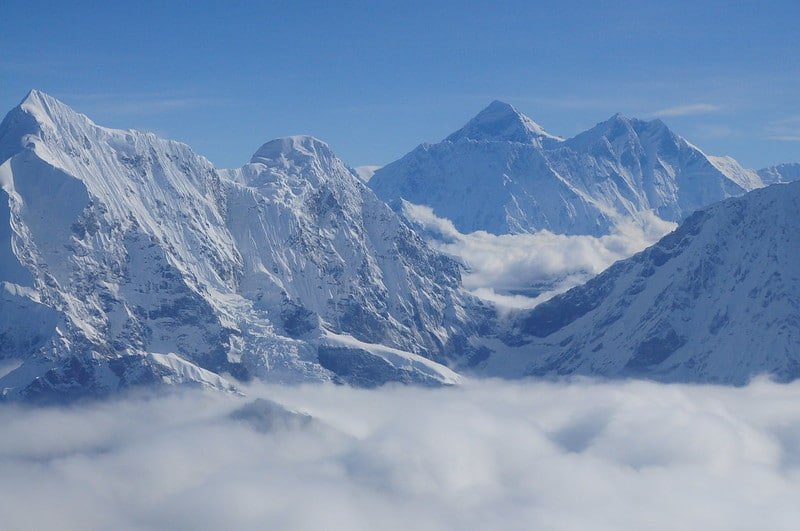

The catastrophic Nepal-Tibet flash floods on August 26, 2026 were apparently triggered by a glacial collapse and ice-rock avalanche in the Himalayan region, according to preliminary assessments and satellite evidence. The sudden release of water and debris sent a powerful surge into river valleys, devastating communities along the Nepal-China border.
A Glacier Collapse Triggered the Disaster
Scientists and disaster experts say an ice-and-rock avalanche from a glacier likely blocked the Lhende Khola, a tributary connected to the Bhote Koshi/Trishuli river system. The blockage was followed by a sudden release of water and debris, producing an extremely powerful flood wave downstream.
Satellite imagery has also provided evidence of a collapse in the upstream glacier area. India’s National Remote Sensing Centre reported imagery showing the collapse zone, a swollen Bhote Koshi River and extensive flooding along the river corridor.
Why Was the Flood So Destructive?
The Himalayan landscape played a major role. The region contains steep mountains and narrow river valleys, meaning enormous quantities of water and debris can move downstream extremely quickly.
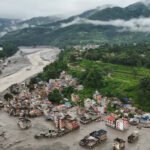
According to experts cited by the Associated Press, the water level on the Trishuli River rose by around 9 metres within half an hour at one point. The flood carried mud, rocks and debris, damaging villages, roads, bridges and hydropower infrastructure.
This combination of a sudden water release, steep terrain and narrow valleys turned the event into a devastating flash flood.
Was It an Earthquake?
An earthquake initially appeared to be another possible explanation.
A seismic signal was detected in the region around the time of the disaster. However, the U.S. Geological Survey later determined that the signal was associated with the glacial collapse and resulting debris flow, rather than a conventional tectonic earthquake. The event was reported as having the equivalent force of about magnitude 5.2 because of the enormous collapse and debris movement.
This distinction is important: there is currently no confirmed evidence that an earthquake caused the flood.
Did Climate Change Play a Role?
Scientists are examining climate change as an important factor, although it would be incorrect to say that climate change alone caused this particular flood.
The Himalayas are warming rapidly, and rising temperatures contribute to glacier retreat, ice loss and changes in snow and meltwater patterns. These changes can make some mountain slopes and glacial structures less stable.
Experts have also warned that thawing permafrost and shrinking glaciers can increase the risk of landslides, ice avalanches and glacial lake outburst floods.
Nepal has thousands of glacial lakes, and some are considered potentially dangerous. A sudden breach of one of these lakes can release huge amounts of water into downstream valleys.
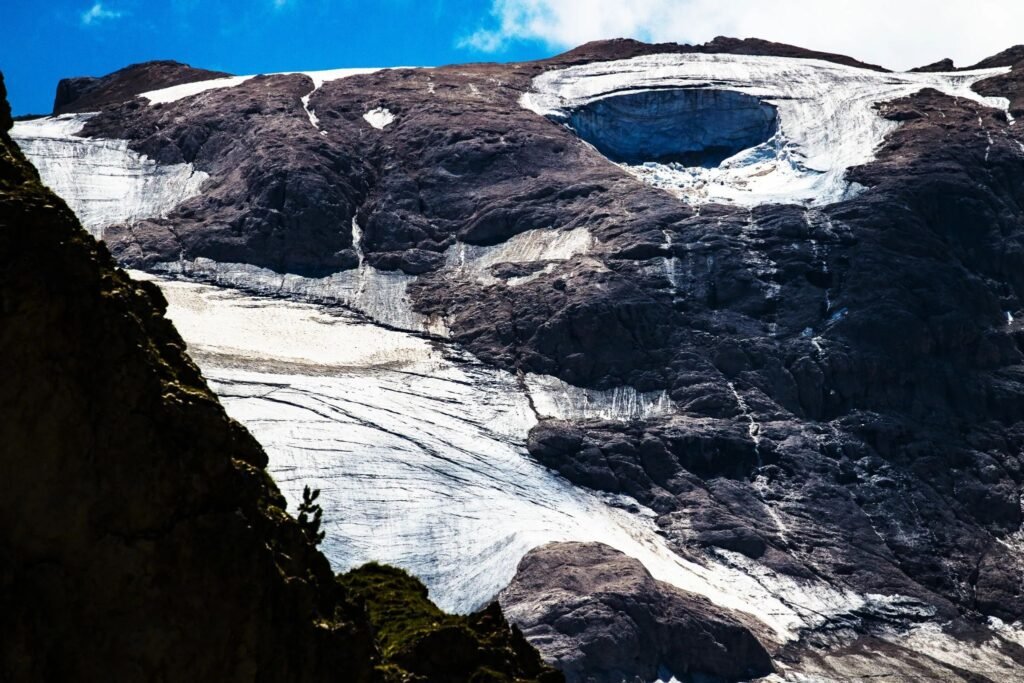
What Is a Glacial Lake Outburst Flood?
A glacial lake outburst flood (GLOF) occurs when water stored behind a natural ice or sediment dam is suddenly released.
Such events can happen when:
- A glacier retreats and leaves behind a lake.
- An avalanche falls into a glacial lake.
- Ice or rock damages the natural lake barrier.
- Rapid melting increases water pressure.
- A landslide blocks a river and the temporary lake later bursts.
In the current Nepal-Tibet disaster, experts are primarily pointing to an ice-rock avalanche/glacial collapse, although investigations into the precise sequence of events are continuing. Some early assessments also considered a possible glacial lake outburst.
Why Nepal Faces Increasing Flood Risks
Nepal’s geography makes it particularly vulnerable to sudden mountain disasters. Rivers descend rapidly from high elevations, while many communities, roads and infrastructure are located in narrow valleys.
The combination of extreme rainfall, glacier retreat, unstable slopes and warming temperatures can increase the potential consequences of sudden floods.
The latest disaster also highlights the importance of early-warning systems. When a flood wave develops within minutes, even a short warning can make a major difference for communities living downstream.
A Disaster Still Under Investigation
Although the evidence increasingly points toward a glacial collapse, scientists are still examining exactly how the event developed.
Researchers are using satellite images, seismic data, river measurements and observations from the affected region to reconstruct the sequence. This investigation will help determine whether an ice avalanche, landslide, glacial lake outburst, or a combination of factors produced the enormous flood wave.
The Bigger Climate Warning
The Nepal-Tibet disaster is more than a single extreme-weather event. It has renewed attention on the vulnerability of the Himalayan region as temperatures rise.
The Himalayas provide water to hundreds of millions of people, while their glaciers and rivers support agriculture, hydropower, tourism and communities across South Asia.
The disaster therefore highlights the need for stronger monitoring of glaciers and glacial lakes, improved early-warning networks and better emergency preparedness.
Also Read | Dolly Parton Dies at 80: Her Extraordinary Life, Music and Philanthropic Legacy












Leave a comment