


Trump Predicts Iran War Will End After Midterms
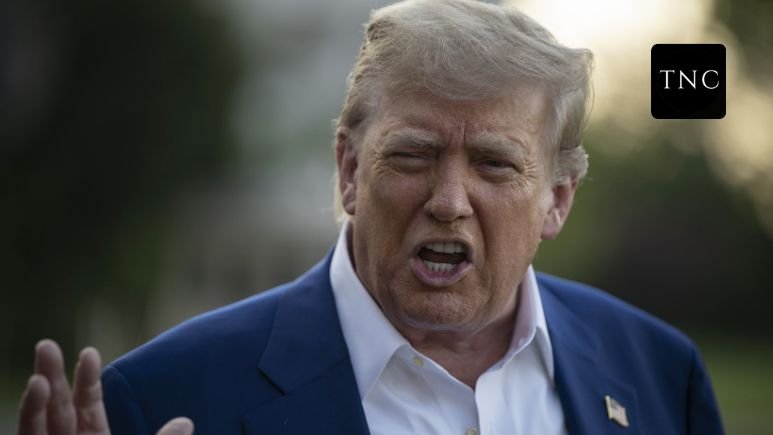
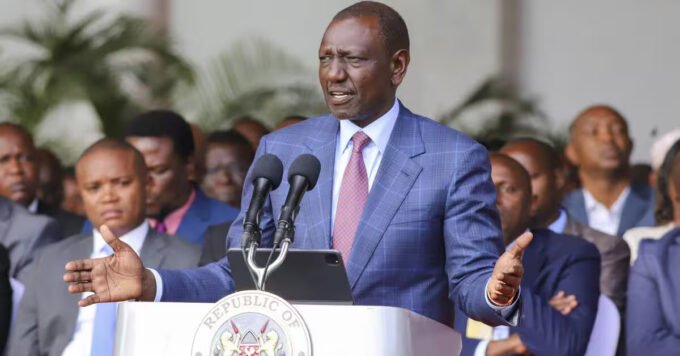
US President Donald Trump has said he expects the war with Iran to end “immediately after” the US midterm elections in November. Trump made the statement on September 9, 2026, as fighting between the United States and Iran entered its seventh month.
The US midterm elections are scheduled for November 3, 2026. Trump linked the expected end of the conflict to the election, arguing that Iran is trying to influence the American vote by continuing the war.
Trump’s remarks have attracted attention because he did not provide a detailed military or diplomatic plan explaining why the conflict would end immediately after the election.
Trump Says Iran Cannot Hold Out Much Longer
Speaking to reporters before traveling to Dallas, Texas, Trump said he believed Iran could no longer sustain the conflict under growing American economic pressure.
He argued that Tehran was trying to affect the US election by extending the confrontation. Trump said Iran wanted a political outcome in Washington that would make it easier for Tehran to continue its nuclear ambitions.
However, Trump’s prediction has not been confirmed by Iranian officials or independent observers. Iran has continued military activity in the region, while the United States has maintained pressure through military operations and economic measures.
No Immediate Return to Nuclear Talks
Trump also indicated that his administration is not actively seeking to restart nuclear negotiations with Tehran.
He said negotiations could still happen, but they are not currently a priority for his administration. The comments suggest that Washington intends to continue applying military and economic pressure rather than immediately returning to the earlier negotiating framework.
The lack of active negotiations adds uncertainty to Trump’s prediction that the war will end soon after the midterms.
For a conflict that has continued for months, reaching a final settlement would likely require more than a single political event.
Iran War Raises Oil Price Concerns
The latest comments came as the war continued to affect global energy markets.
Oil prices moved above $100 a barrel after renewed fighting around the Strait of Hormuz. The strategically important waterway is a major route for global oil shipments, so any disruption can quickly affect energy prices and transportation costs.
Trump also said he expects oil prices to fall after the election once the war ends.
That prediction is important for American consumers because higher crude prices can increase gasoline, diesel and other transportation costs. US fuel prices have already risen sharply during the conflict.
Fighting Continues Around the Strait of Hormuz
The Strait of Hormuz has become one of the main flashpoints in the conflict.
According to Reuters, Iran said it attacked 10 ships near the strait after the United States destroyed five Iranian oil tankers. The US has described its maritime actions as part of efforts to pressure Iran and restrict oil activity connected to the Iranian government.
The latest clashes have increased concerns about a wider regional conflict.
Shipping companies are closely watching developments because a prolonged disruption could affect the movement of crude oil and other goods across international markets.
Midterm Elections Add Political Pressure
The US midterm elections will determine control of Congress and are often viewed as an important test of a president’s popularity.
Trump’s comments come as his administration faces political pressure over the cost of the Iran war and the wider cost-of-living situation in the United States. Reuters reported that Trump’s approval ratings have fallen to a record low amid voter frustration over the prolonged conflict and rising living costs.
For Republicans, the election is therefore taking place against a difficult economic and foreign-policy backdrop.
Democrats are expected to make the war, energy prices and household expenses important campaign issues.
Trump Faces Questions Over War Timeline
Trump has previously offered shorter timelines for the conflict, but the war has continued far beyond some of those earlier expectations.
That history means his latest prediction is being treated cautiously by analysts and political observers.
Vice President JD Vance has also avoided giving a specific date for the end of the fighting. AP reported that Vance stressed the unpredictability of Iran’s actions while Trump offered a more definite post-election forecast.
The difference in tone highlights the uncertainty surrounding the conflict.
Military operations can change quickly because of attacks, negotiations, regional developments or decisions by either government.
What Could Happen After the Election?
Several outcomes remain possible after November 3.
A ceasefire could be negotiated if both Washington and Tehran decide that continued fighting is too costly. Another possibility is a temporary reduction in military operations without a formal peace agreement.
The conflict could also continue despite Trump’s prediction.
Much will depend on Iran’s military position, the effectiveness of US sanctions and blockade measures, oil exports, regional diplomacy and the political environment after the election.
Global Markets Continue to Watch
The US-Iran war has consequences far beyond American politics.
Higher oil prices can increase transport and manufacturing costs around the world. Countries that depend heavily on imported energy may face additional inflationary pressure if the crisis continues.
Asian and European economies are also watching shipping conditions around the Gulf. A prolonged disruption could create problems for energy supplies and international trade.
The situation is therefore being closely monitored by governments, businesses and financial markets.
Trump Iran War Prediction Remains Uncertain
Trump’s statement that the Iran war will end immediately after the US midterm elections is one of his clearest recent predictions about the conflict’s timeline. However, there is no confirmed agreement with Iran that guarantees fighting will stop after November 3.
The coming weeks could prove important as Washington maintains military and economic pressure while Tehran continues to resist.
For now, the election has become closely linked to the debate over the war’s future. Whether Trump’s prediction becomes reality will depend on events on the battlefield, the strength of economic pressure and the possibility of renewed diplomacy.
With oil prices already above $100 a barrel and tensions continuing around the Strait of Hormuz, the world will be watching closely as the November vote approaches.
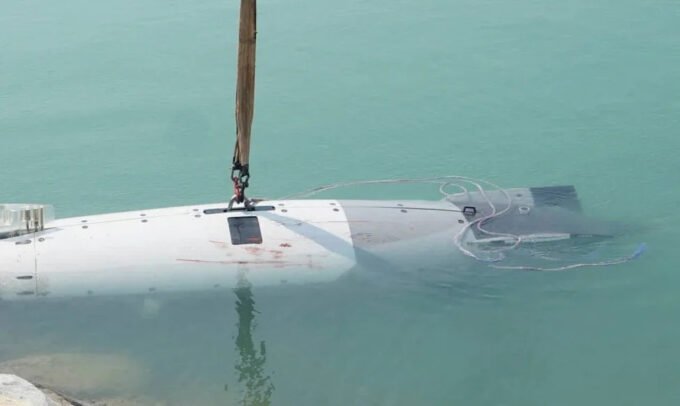
Also Read | Iran Claims US Submarine Drone Captured in Strait of Hormuz Amid Oil Tanker Escalation






Leave a comment