



Powerful Cyclone Arnab made landfall along the Andhra Pradesh coast early Wednesday, bringing heavy rainfall, dangerous winds and major disruption to coastal communities.
The storm developed over the Bay of Bengal before approaching the Andhra Pradesh–Yanam coastline.
According to the India Meteorological Department (IMD), Arnab intensified into a very severe cyclonic storm before reaching the coast.
Authorities evacuated vulnerable communities, opened emergency shelters and deployed disaster response teams ahead of its arrival.
The cyclone has affected daily life across several coastal districts, with officials warning residents to remain cautious even after the storm moves inland.
Link Video : Cyclone Arnab reportedly makes landfall in Andhra Pradesh on October 28
When and Where Did Cyclone Arnab Make Landfall?
Cyclone Arnab crossed the Andhra Pradesh and Yanam coasts during the early hours of Wednesday, October 28.
The storm approached the coastline between Bapatla and Visakhapatnam, close to Yanam.
An IMD bulletin issued early Wednesday placed the cyclone approximately 30 kilometres east of Narsapur and 70 kilometres south-southwest of Kakinada.
The landfall process continued for several hours as the storm interacted with the coastline.
Weather officials warned that dangerous conditions could persist even after the cyclone’s centre crossed onto land.
How Strong Was Cyclone Arnab?
Cyclone Arnab was classified as a very severe cyclonic storm as it approached the Andhra Pradesh coast.
The IMD’s morning forecast warned of sustained winds reaching 115–125 kilometres per hour, with gusts up to 140 kilometres per hour.
Earlier forecasts had warned of even stronger gusts.
Such winds can damage trees, electricity poles, temporary structures and buildings with weak roofs.
They can also make travelling extremely dangerous.
The storm brought rough seas and a risk of coastal flooding.
Authorities warned that a storm surge of approximately 1–1.5 metres above normal tide levels could affect vulnerable low-lying areas.
Which Areas Were Most Affected?
Several coastal districts experienced heavy rainfall and strong winds.
Among the areas facing significant weather disruption were Visakhapatnam, Kakinada, Machilipatnam and surrounding coastal communities.
According to rainfall figures reported on Wednesday morning, Visakhapatnam received approximately 216 millimetres of rain between the morning of October 27 and early October 28.
Kalingapatnam recorded around 147 millimetres, while Kakinada received approximately 118 millimetres.
Machilipatnam recorded about 115 millimetres during the same reporting period.
Heavy rainfall increased concerns about waterlogging, overflowing drains and flooding in low-lying areas.
How Did the Andhra Pradesh Government Respond?
The Andhra Pradesh government activated emergency response measures before the cyclone reached the coast.
Authorities organised evacuations in vulnerable areas and prepared temporary shelters.
According to reports, more than 89,000 people were evacuated from threatened communities in Andhra Pradesh before landfall.
Officials also arranged medical teams and secured thousands of fishing boats.
Chief Minister N. Chandrababu Naidu reviewed the situation with senior officials early Wednesday.
He directed authorities to remove fallen trees, monitor water levels and restore electricity once conditions became safe.
Power supply was suspended in some affected areas as a precautionary measure.
The government also instructed officials to remain prepared for further rainfall and possible flooding.
Were Schools, Trains and Transport Services Affected?
Cyclone Arnab disrupted transportation and public services across parts of the eastern coast.
Train services were cancelled or altered as a precaution against dangerous weather.
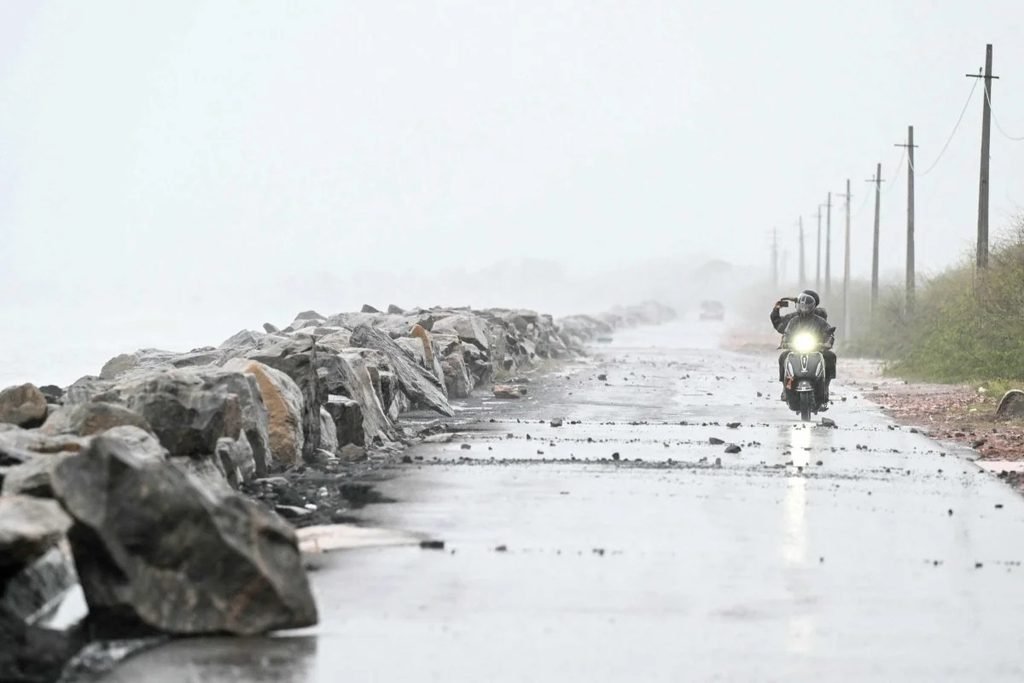
Heavy rainfall and strong winds also affected road conditions in some locations.
Fallen trees and damaged electricity infrastructure created additional difficulties.
Authorities advised residents to avoid unnecessary travel, particularly near flooded roads and coastal areas.
Transport services are expected to return gradually as conditions improve and safety inspections are completed.
Passengers should check official railway, airline and local transport announcements before travelling.
Did Cyclone Arnab Affect Odisha?
Although the cyclone made landfall in Andhra Pradesh, neighbouring Odisha also faced significant weather risks.
The IMD warned of heavy to extremely heavy rainfall in parts of southern Odisha.
Strong winds and rough sea conditions affected coastal areas.
Odisha authorities prepared evacuations and disaster response arrangements in vulnerable districts.
Residents were advised to follow official warnings and avoid entering the sea.
The cyclone’s impact demonstrates how a powerful storm can affect multiple states, even when its centre crosses the coast in one location.
Why Are Bay of Bengal Cyclones Dangerous?
The Bay of Bengal is particularly vulnerable to tropical cyclones.
Warm ocean waters can provide the energy needed for storms to strengthen.
When a cyclone approaches land, its strong winds can damage infrastructure and disrupt electricity supplies.
Heavy rainfall may cause urban flooding and waterlogging.
Storm surges can push seawater into low-lying coastal communities.
Fishing villages, agricultural areas and settlements close to the shoreline may face especially serious risks.
These dangers explain why early warnings and evacuation plans are important.
What Safety Precautions Should Residents Follow?
People living in affected areas should continue following official instructions.
Important precautions include:
- Stay indoors during strong winds and heavy rainfall.
- Avoid beaches, ports and flooded roads.
- Keep emergency medicines, drinking water and essential supplies available.
- Stay away from fallen electrical wires and damaged electricity poles.
- Do not attempt to drive through floodwater.
- Follow instructions from local disaster management authorities.
- Return to evacuated areas only after officials confirm that conditions are safe.
Residents should monitor IMD weather bulletins and state government announcements for updated warnings.
What Happens After Cyclone Arnab’s Landfall?
Cyclones generally weaken after moving inland because they lose access to the warm ocean water that supplies much of their energy.
However, weakening does not mean that all danger has passed.
Heavy rainfall can continue after landfall, increasing the possibility of flooding.
Damaged roads, fallen trees and disrupted electricity supplies can also create risks during recovery operations.
Emergency teams will assess damage, restore essential services and assist affected communities.
The full extent of the cyclone’s impact may take time to establish.
Conclusion
Cyclone Arnab’s landfall in Andhra Pradesh has brought powerful winds, intense rainfall and major challenges for coastal communities.
Early evacuations, weather warnings and emergency preparations have played an important role in the response.
As the storm moves inland, the immediate priorities remain public safety, flood monitoring and restoration of essential services.
Residents should continue following official advisories rather than assuming that the danger has ended.
Key Cyclone Arnab Updates
Landfall date
28 October 2026
Morning forecast gusts
Up to 140 km/h
Reported evacuations in Andhra Pradesh
89,000+
Visakhapatnam rainfall
216 mm
Figures reflect reports and bulletins available on October 28, 2026, and may change.
Also Read | Two Indian-Origin Men Jailed for 28 Years After High-Speed Race Kills Mother and Daughter in UK












Leave a comment