


Houthi Attack on Riyadh Airport Raises New Security Concerns
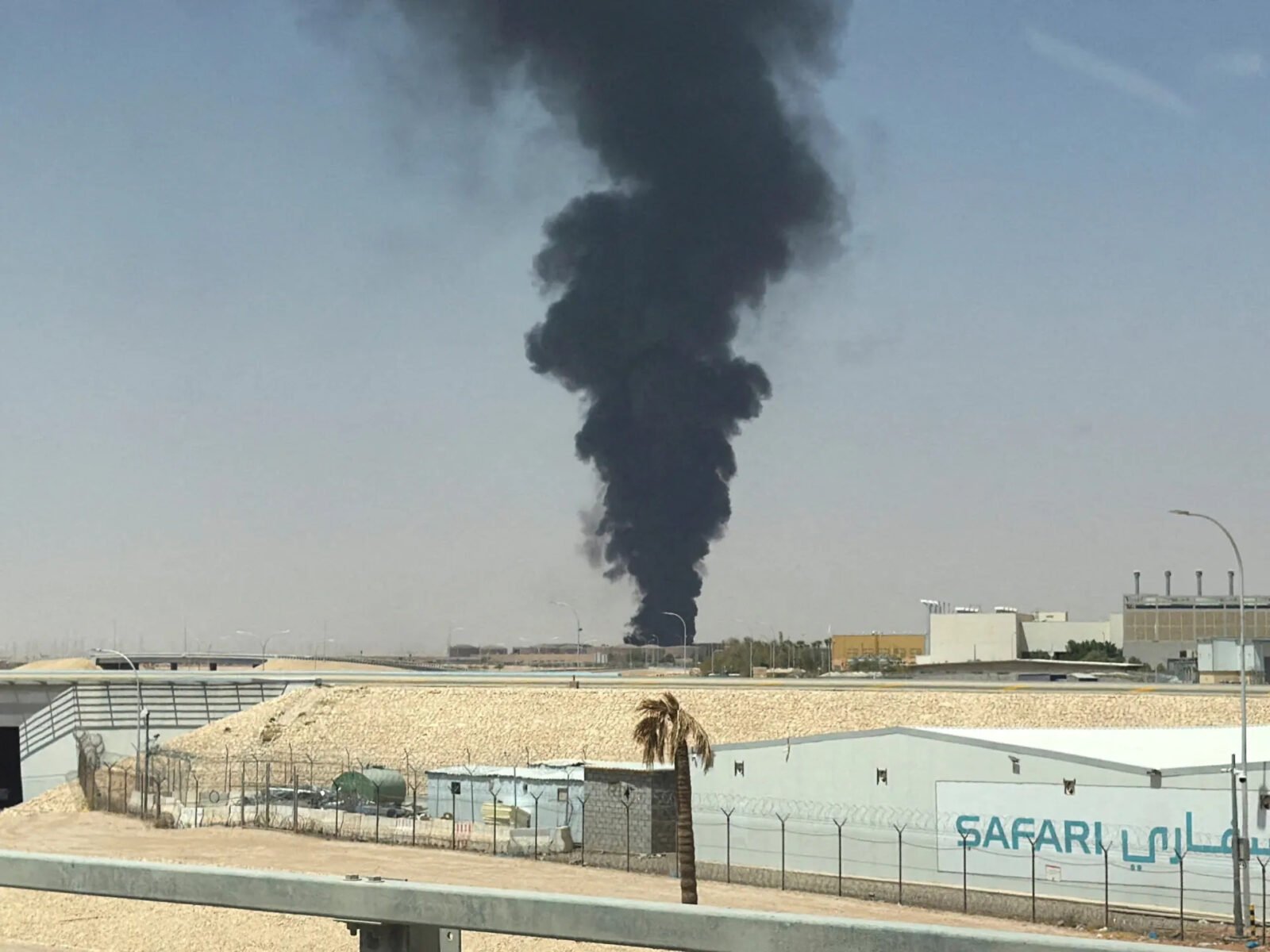
Saudi Arabia is facing a renewed security challenge after Yemen’s Iran-aligned Houthi movement claimed that it launched a ballistic missile attack on King Khalid International Airport in Riyadh on October 8, 2026. Saudi Arabia had not immediately confirmed the latest claim, making it important to distinguish the new allegation from attacks that were already confirmed by Saudi authorities earlier this week.
The latest development follows a series of attacks on Saudi airports as fighting between Houthi forces and Saudi-backed Yemeni forces has intensified. Saudi authorities have confirmed that an earlier attack on Riyadh’s airport killed one person and injured eight others. An attack on Abha airport also killed two people and injured 28, according to Saudi civil aviation officials.
The attacks show why aviation infrastructure has become a major security concern in the renewed Yemen conflict.
What Happened at Riyadh Airport?
King Khalid International Airport is one of Saudi Arabia’s most important air hubs. It serves the capital and connects the kingdom with destinations across the Middle East and the wider world.
On October 8, the Houthis said they had targeted the airport with a ballistic missile. There was no immediate confirmation from the Saudi government of that specific claim. Witnesses reported hearing several explosions across Riyadh, according to Euronews.
The uncertainty surrounding the latest claim is significant. In an active conflict, initial reports can change as governments assess damage and investigate what happened.
The newer claim follows an earlier confirmed attack in which Saudi authorities said a Sudanese national was killed and eight other people were wounded at the Riyadh airport.
Why Riyadh Airport Is a Major Target
Airports are critical pieces of national infrastructure.
King Khalid International Airport is not only a passenger facility. It supports cargo movements, business travel, tourism and economic activity in the Saudi capital.
An attack or even a credible threat can lead to flight delays, additional security checks, temporary restrictions and increased insurance and operating costs for airlines.
There is also a psychological impact. Attacks close to a major airport can create fear among travelers and airport employees, especially when similar incidents happen repeatedly.
Recent reports said flight disruption continued after earlier attacks, underlining how security incidents can affect aviation even when the physical damage is limited.
Saudi Arabia Is Fighting a Renewed Yemen War
The airport attacks are part of a much larger conflict.
Saudi Arabia has re-entered the Yemen war after fighting between Saudi-backed Yemeni government forces and Houthi forces escalated sharply in 2026. The Houthis have regained or contested strategic territory in southwestern Yemen, including areas near the Bab el-Mandeb Strait, one of the world’s important maritime chokepoints.
Saudi-backed forces have responded with ground operations and airstrikes aimed at reversing Houthi advances.
The conflict has therefore developed into a cycle of attacks and retaliation. Missile and drone strikes on Saudi territory are one part of that larger confrontation.
The Bab el-Mandeb Connection
The geography of the conflict makes the situation especially important.
The Bab el-Mandeb Strait connects the Red Sea with the Gulf of Aden and is a major route for international shipping. Control or disruption around the waterway can affect global trade and energy transportation.
Reuters reported that the Houthi advance in the region has increased pressure on Saudi Arabia’s oil exports and infrastructure.
If attacks on ships, ports, airports or energy facilities continue, the consequences could extend beyond Yemen and Saudi Arabia.
International shipping companies may face higher insurance costs, longer routes and greater security risks.
Oil Markets Are Also Watching
Saudi Arabia is one of the world’s most important oil producers, so security threats to the kingdom can quickly attract attention in global energy markets.
The renewed Yemen conflict has already contributed to concerns about oil supplies, particularly because the fighting is occurring near important maritime routes and energy infrastructure. Reuters reported that oil prices have remained elevated amid wider Middle Eastern supply concerns.
The key risk is not simply damage to one airport. Investors and governments are watching to see whether attacks expand toward oil facilities, ports or shipping routes.
A larger disruption could increase transportation costs and add to inflation pressures in countries that import energy.
Saudi Air Defenses Under Pressure
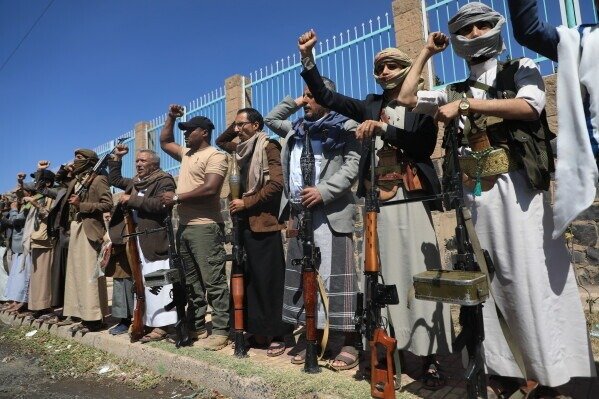
Saudi Arabia has invested heavily in air-defense systems to protect its cities and critical facilities from missiles and drones.
Saudi authorities said their forces intercepted a ballistic missile north of Riyadh during the recent wave of attacks. The Saudi-led coalition also said it destroyed a Houthi launch platform in Sana’a.
However, repeated attacks can still create significant challenges even when many missiles and drones are intercepted.
Modern conflicts often involve multiple launches at different times and locations. Defending airports, cities and energy facilities requires constant surveillance and rapid responses.
The continued attacks show that Saudi Arabia cannot rely on interception alone. It also needs intelligence, hardened infrastructure and diplomatic efforts to reduce the threat at its source.
Threat to International Aviation
The Houthi escalation is particularly concerning for airlines because aviation depends on predictable airspace and secure airports.
On October 8, the Houthis issued a warning to international airlines against operating in Saudi airspace, describing it as a theater for military operations, according to the Times of India.
Such warnings do not automatically mean that international airlines will stop using Saudi airspace. However, they increase uncertainty and may influence airline route planning and risk assessments.
If attacks continue, airlines could face pressure to adjust schedules, reroute flights or increase security measures.
Regional Security Is Changing
The latest events also show that the Yemen conflict is no longer a contained domestic struggle.
Saudi Arabia is now facing direct threats to its cities and airports, while the conflict is affecting neighboring airspace, shipping routes and energy markets.
The activation of Saudi Arabia’s new defense cooperation framework with Pakistan and Turkey adds another important dimension. The three countries agreed in October to move toward practical implementation of their collective-defense arrangement amid worsening regional security conditions.
That development suggests Riyadh is seeking stronger partnerships as threats become more complex.
Humanitarian Cost in Yemen
Behind the military developments is a growing humanitarian crisis.
The Associated Press reported that nearly 1,000 people had been killed and around 200,000 displaced during the latest escalation, with malnutrition and disease also increasing.
Further military escalation could make the humanitarian situation worse.
For civilians in Yemen, continued airstrikes, displacement and disruption to infrastructure can have consequences far beyond the battlefield.
This is one reason diplomatic efforts remain important even as Saudi Arabia strengthens its military response.
What Happens Next?
The immediate question is whether the latest Houthi claim about the Riyadh airport will be confirmed and whether further attacks will follow.
Saudi Arabia is likely to maintain heightened security around airports, military sites and energy facilities. The kingdom and its allies may also continue air operations against Houthi launch sites.
For the wider region, the key concern is whether the fighting remains concentrated in Yemen or expands into a broader conflict involving more countries and critical infrastructure.
Conclusion
The Houthi attack on Riyadh airport is part of a rapidly changing security environment for Saudi Arabia.
While the Houthis’ October 8 claim of another ballistic-missile strike on King Khalid International Airport had not been immediately confirmed by Riyadh, Saudi authorities have already confirmed a deadly attack on the airport earlier this week.
The growing attacks on Saudi airports, combined with fighting near the Bab el-Mandeb Strait, create risks for aviation, oil supplies, shipping and regional stability.
Also Read | Three Years After October 7: Israel Remembers the Hamas Attack and Its Impact











Leave a comment