


Panic and confusion spread across European airports after a wave of bomb threats disrupted at least 27 passenger flights on Thursday, November 5, 2026.
The Europe flight bomb threats forced several aircraft to make unexpected landings, while fighter jets escorted others to safety.
Airlines, airport authorities and emergency services responded to security alerts across multiple countries.
Although investigations found no explosives, the incidents caused major disruption and raised concerns about aviation security.
The threats marked the second significant wave of similar incidents in Europe this week.
What Happened Across European Airports?
According to Reuters, at least 27 passenger flights received bomb threats on November 5.
The warnings affected flights travelling between several European cities, including Dublin, Rome, Madrid, Sofia, Warsaw and Bucharest.
Some aircraft were diverted from their planned routes, while others landed normally before undergoing security inspections.
Passengers were evacuated from certain flights as police and specialist teams searched aircraft and luggage.
Authorities also deployed military aircraft to escort passenger planes.
The unusual number of incidents created concern among travellers and prompted investigations across Europe.
Aer Lingus Flight Diverted to French Military Airbase
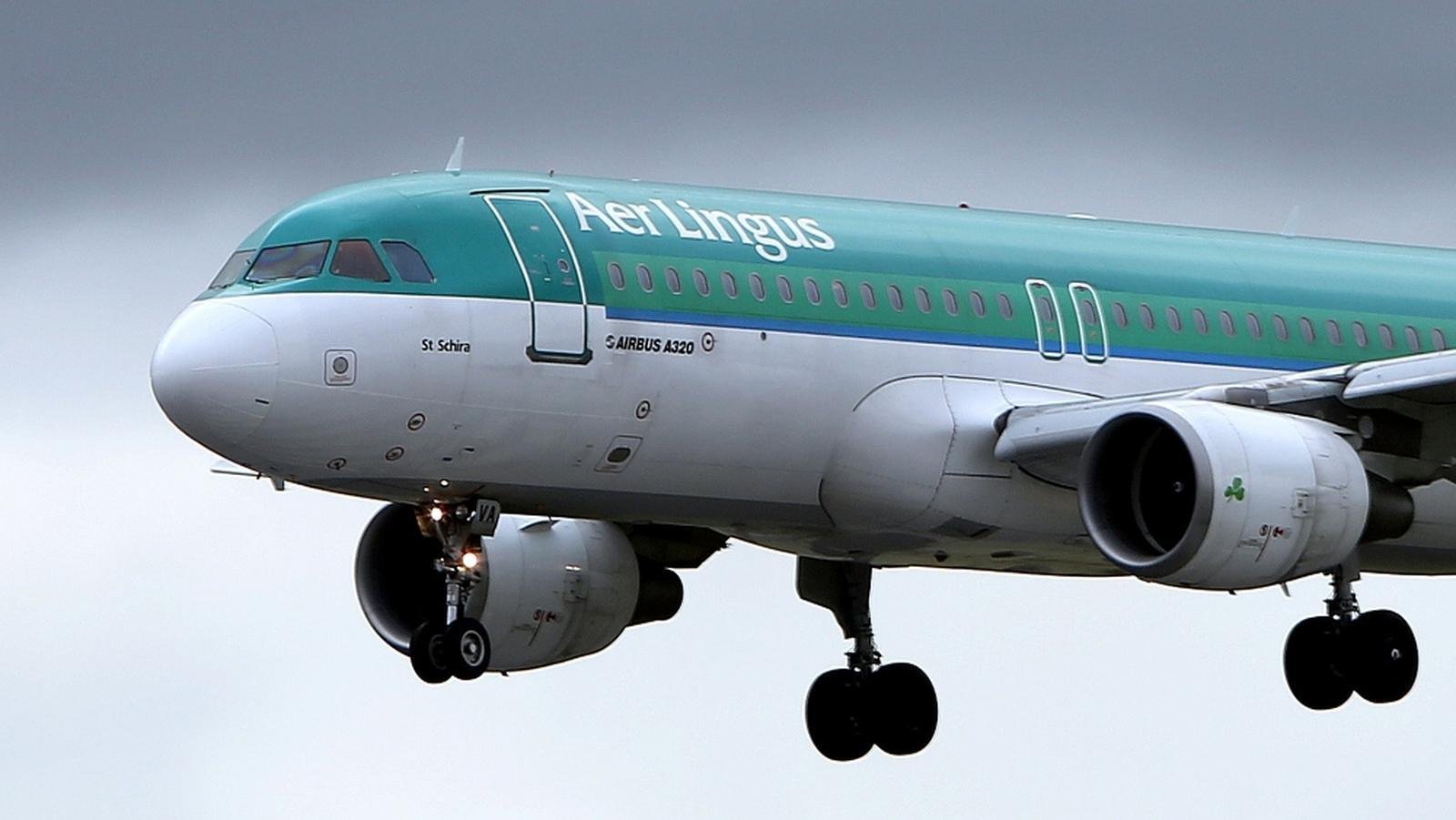
One of the most serious incidents involved an Aer Lingus Airbus A320 travelling from Dublin, Ireland, to Rome, Italy.
The aircraft was diverted to the Évreux military airbase in France following a bomb alert.
According to French authorities, the plane was carrying 151 passengers and six crew members.
French fighter jets were deployed as part of the emergency response.
The aircraft landed safely, and security teams examined the situation.
The incident highlighted how seriously aviation authorities treat potential threats, even when their credibility remains uncertain.
Ryanair Flights Face Emergency Security Response
Ryanair was among the airlines affected by the widespread alerts.
Three Ryanair flights heading towards Bulgaria received bomb threats.
The aircraft had departed from Copenhagen, Madrid and London.
Two flights landed safely in Sofia, while the aircraft travelling from London was diverted to Plovdiv.
Bulgarian military aircraft escorted the threatened flights.
Emergency services and security personnel were prepared to respond when the planes landed.
Inspections did not reveal explosives or other dangerous materials.
The incidents nevertheless caused delays and uncertainty for passengers.
Spain, Poland and Romania Also Affected
The bomb threats extended beyond France and Bulgaria.
In Spain, authorities received three threatening emails within approximately 20 minutes.
The alerts concerned six flights at Madrid-Barajas Airport, including services operated by Iberia and Air Europa.
Several aircraft were stopped or returned to parking areas for security inspections.
In Poland, a LOT Polish Airlines flight preparing to depart Warsaw for Paris was stopped before takeoff.
Passengers were transferred to another aircraft after security procedures.
Romanian authorities also responded to a bomb threat involving a Wizz Air flight arriving in Bucharest from Milan.
The aircraft landed safely and underwent security checks.
Similar incidents were reported in other European countries.
Were Any Explosives Found?
Despite the alarming warnings, authorities reported that searches had not uncovered explosives or suspicious devices.
The incidents were therefore being treated as hoax bomb threats.
However, aviation authorities cannot simply ignore a warning because it may be false.
Every credible security alert requires an appropriate response to protect passengers and crew.
That may involve aircraft diversions, passenger evacuations, luggage inspections or emergency landings.
These precautions can cause considerable disruption even when no actual explosive device is present.
Who Is Behind the Europe Flight Bomb Threats?
Investigators have not publicly established who was responsible for the widespread threats.
Some threatening emails reportedly claimed an association with an extremist group.
However, the authenticity of those claims has not been independently verified.
The incidents also occurred amid growing European concerns about sabotage and so-called hybrid attacks.
Hybrid attacks may involve disruptive activities designed to create uncertainty without conventional military confrontation.
Some European governments have previously accused Russia of involvement in such operations, allegations Moscow denies.
Importantly, there is no confirmed evidence establishing Russian responsibility for these particular aviation threats.
Investigators are examining the incidents, and premature conclusions would be misleading.
Could the Threats Be Connected?
The large number of warnings within a short period has raised questions about possible coordination.
Security experts say several explanations remain possible.
The incidents could involve organised disruption, individuals acting independently or copycat threats.
The European Union’s transport commissioner cautioned that it was too early to determine whether the incidents were connected.
Investigators must examine communication records, threat messages and other evidence before establishing responsibility.
For now, the identity and motives of those behind the warnings remain uncertain.
What Should Passengers Know?
Passengers travelling through European airports may experience additional security procedures following such incidents.
Airlines and airport authorities are responsible for deciding whether flights can operate safely.
Travellers should monitor official airline notifications and airport announcements for updates.
Passengers whose flights are delayed or cancelled should contact their airlines for information about alternative arrangements and applicable passenger rights.
Most importantly, the reported incidents do not establish that explosives were present on the affected aircraft.
Why This Incident Matters for Aviation Security
The Europe flight bomb threats demonstrate how false warnings can disrupt international air travel.
Even without explosives, a single threatening message can require significant emergency resources.
When dozens of flights receive similar alerts, the impact becomes much wider.
Airlines must coordinate with police, air traffic controllers, airport authorities and military personnel.
The events also highlight the importance of reliable communication and international cooperation.
Identifying those responsible will be essential to preventing similar disruption.
Conclusion
The wave of bomb threats affecting at least 27 passenger flights across Europe has raised serious concerns about aviation security.
Aircraft diversions, fighter-jet escorts and emergency inspections demonstrated the scale of the response.
Fortunately, authorities reported no explosives in the investigated incidents.
However, the investigation into who issued the threats and whether they were connected remains ongoing.
The situation serves as a reminder that even false security warnings can create widespread disruption.
Also Read | Trump’s Political Empire Shaken! Democrats Seize US Congress in Stunning Midterm Victory!











Leave a comment