

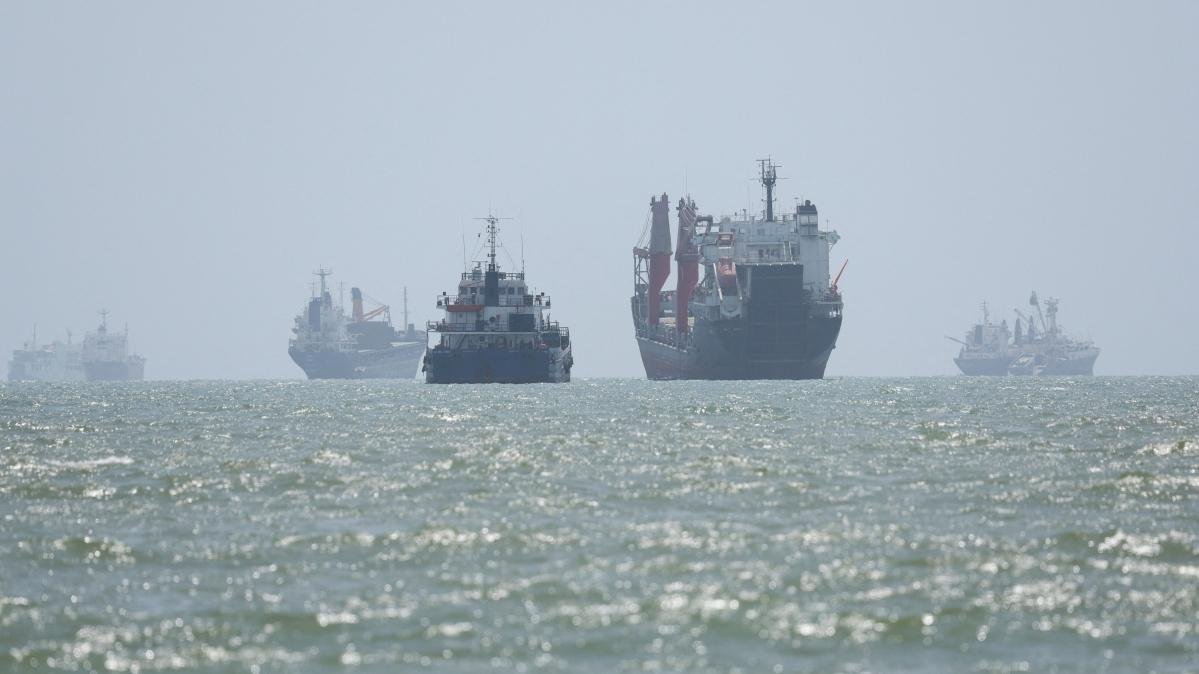

A major diplomatic development has raised hopes of reducing tensions between Iran and the United States.
Iran has announced that it could reopen the Strait of Hormuz within 48 hours if Washington accepts a series of conditions.
The Iran Strait of Hormuz reopening proposal comes after months of conflict, military threats and disruption to one of the world’s most important shipping routes.
Iranian officials say the offer could help restore maritime security and restart negotiations with the United States.
However, the proposal remains conditional, and there is no confirmed agreement between the two countries.
What Is Iran’s 48-Hour Proposal?
On November 2, Iranian Foreign Ministry spokesperson Esmaeil Baghaei said Tehran was prepared to reopen the Strait of Hormuz within two days if its demands were accepted.
The proposal is a revised version of an earlier seven-day plan presented in September.
Iranian Foreign Minister Abbas Araghchi said discussions with regional mediators helped shorten the proposed timeline.
The new plan is intended to combine steps towards reopening the waterway with a possible return to negotiations.
Iran has described the shorter timeline as a sign of its willingness to reach an agreement.
However, reopening the strait depends on decisions by the United States.
What Does Iran Want From America?
Iran has outlined several demands as part of the proposed agreement.
These include ending the US naval blockade of Iranian ports and lifting restrictions on Iranian oil exports.
Tehran also wants frozen Iranian assets abroad to be released.
Another major condition is an end to hostilities across the region, including fighting involving Lebanon.
Iran has additionally called for changes to the US military presence in the Middle East.
The proposed arrangement also involves a shipping route through the Strait of Hormuz agreed between Iran and Oman.
These conditions show that the negotiations involve more than simply allowing ships to pass.
They are connected to wider questions about sanctions, security and the future of US-Iran relations.
Why Is the Strait of Hormuz So Important?
The Strait of Hormuz is a narrow waterway connecting the Persian Gulf to the Gulf of Oman and the Arabian Sea.
It lies between Iran and Oman.
Before the latest conflict, approximately one-fifth of the world’s traded oil and liquefied natural gas passed through this route.
Major energy producers, including Saudi Arabia, Iraq, Kuwait, Qatar and the United Arab Emirates, depend on regional shipping connections.
Disruption in the strait can affect oil supplies, transportation costs and international trade.
That is why governments, energy companies and financial markets closely monitor developments in the area.
How Has the Crisis Affected Global Oil Markets?
Restrictions on shipping through the Strait of Hormuz have created uncertainty for global energy markets.
When a major oil route becomes difficult or dangerous to use, shipping companies may face higher insurance costs and operational risks.
Energy buyers may also need to find alternative suppliers or transport arrangements.
These challenges can increase the cost of moving oil and gas internationally.
Higher energy costs may eventually affect fuel prices, transportation expenses and manufacturing.
However, prices depend on several factors, including global demand, available supplies and government decisions.
A successful agreement could reduce some of these pressures, although markets would still need confidence that shipping is safe.
What Role Are Qatar and Pakistan Playing?
Qatar and Pakistan have been involved in diplomatic efforts between Iran and the United States.
Both countries have helped facilitate communication while direct relations between Washington and Tehran remain strained.
Iranian officials have discussed the revised proposal with Qatari mediators.
Pakistan has also participated in consultations aimed at reducing tensions.
These diplomatic efforts are important because they provide channels for exchanging proposals and discussing possible compromises.
However, mediation does not guarantee that either side will accept the final terms.
Has the United States Accepted Iran’s Offer?
As of November 2, there is no public confirmation that Washington has accepted Iran’s 48-hour proposal.
US officials have acknowledged that diplomatic discussions are continuing.
Secretary of State Marco Rubio has indicated that the United States remains open to a diplomatic solution.
However, major disagreements remain over sanctions, Iran’s nuclear programme and regional security.
The United States and Iran also differ over which steps should happen first.
Iran wants its conditions addressed before reopening the strait.
Washington has previously pushed for progress on nuclear issues as part of a wider agreement.
These differences could delay negotiations.
Could the Strait of Hormuz Reopen Within Two Days?
Technically, Iran says the proposed arrangement could be implemented within 48 hours.
But that does not mean the waterway will automatically reopen two days after the announcement.
The timeline would depend on Washington accepting the conditions and both sides agreeing on how to implement them.
Shipping companies would also need clear information about safe passage.
Even after a political agreement, restoring normal maritime traffic could take additional coordination.
For now, the 48-hour timeline should be understood as a conditional diplomatic offer rather than a confirmed reopening date.
What Happens If the Talks Fail?
Failure to reach an agreement could prolong uncertainty in the Middle East.
Shipping restrictions might continue, while tensions between Iran and the United States could remain high.
Further military escalation could also create risks for neighbouring countries and international trade.
At the same time, both sides face economic and political reasons to pursue negotiations.
Diplomacy may offer a way to reduce tensions without further confrontation.
The outcome will depend on whether negotiators can find terms acceptable to both governments.
Conclusion
The Iran Strait of Hormuz reopening proposal represents a potentially important moment in Middle East diplomacy.
Iran says it can restore access to the strategic waterway within 48 hours if the United States accepts its demands.
The offer could help ease pressure on global shipping and energy markets.
However, major differences remain over sanctions, military activity and regional security.
Until a formal agreement is announced, the future of the Strait of Hormuz remains uncertain.
Also Read | 69 Lives Lost! Spain’s Railway Disaster Shocks the World













Leave a comment