


India GDP Growth Reaches 7.8%
India’s economy delivered stronger-than-expected growth in the first quarter of financial year 2026-27. India GDP growth reached 7.8% in the April-June quarter, according to data released by the National Statistical Office on August 31, 2026. The figure was higher than both market expectations and the Reserve Bank of India’s earlier projection.
The latest number shows that economic activity remained strong despite several global challenges. The economy faced higher energy prices, supply-chain disruptions and geopolitical tensions during the quarter. However, strong domestic demand, investment and manufacturing activity helped support overall growth.
India’s economy had grown 6.9% in the same quarter a year earlier. The latest result therefore represents a clear improvement compared with Q1 of FY2025-26. At the same time, growth was slower than the revised 8.6% recorded in the January-March quarter.
GDP Growth Beats Expectations
The 7.8% India GDP growth figure surprised economists. A Reuters poll had estimated growth at around 7.1%, while the RBI had projected 7% growth for the quarter. The stronger result suggests that economic activity remained more resilient than many analysts expected.
The performance is particularly notable because the quarter included significant global uncertainty. Energy markets faced pressure from geopolitical tensions, while businesses dealt with disruptions in international supply chains.
Despite these difficulties, consumer demand and investment continued to support the economy. Government capital expenditure also remained an important source of momentum.
Manufacturing Becomes a Major Growth Driver
Manufacturing was one of the strongest contributors to the latest economic performance. According to government data reported by Business Standard, manufacturing growth stood at 9.2% during the quarter. The sector provided an important boost to overall economic activity.
Strong manufacturing activity can have a broad impact on the economy. It can support employment, supply chains, exports and business investment. Companies have also continued investing in areas such as power, metals and data centres, according to economists cited by Reuters.
The manufacturing performance therefore suggests that India’s industrial sector is maintaining momentum even amid global uncertainty.
Services Sector Remains Strong
Services also played a major role in the economy’s performance. Financial services, real estate, information technology and professional services recorded strong growth during the quarter.
The services sector remains critical to India’s economic structure. It contributes significantly to output, employment, exports and foreign exchange earnings.
Strong financial and professional services activity also indicates that corporate and business demand has remained relatively healthy. This trend could help maintain economic momentum during the remaining quarters of FY2026-27.
Consumption Supports Economic Activity
Consumer spending was another important factor behind the stronger-than-expected GDP number.
Household consumption remained resilient during the quarter, helping offset some pressure caused by higher energy costs and global uncertainty. Strong domestic consumption is particularly important for India because the country’s large internal market provides a major source of economic support.
Government spending and capital investment also helped the economy. Public infrastructure spending has continued to support construction, manufacturing and related industries.
Investment and Exports Add Momentum
Investment activity remained another important part of the growth story.
Private-sector investment has reportedly increased in areas including data centres, electricity and metals. Such investment can create additional capacity and potentially support stronger growth over the longer term.
Exports also contributed to the first-quarter performance. Businesses continued to find demand in international markets even as global trade conditions remained uncertain.
The combination of domestic consumption, investment and exports gave India’s economy several sources of support instead of relying on a single growth engine.
India Faces Global Economic Risks
The strong GDP number does not mean that all risks have disappeared.
India continues to face uncertainty from global energy markets and geopolitical conflicts. The West Asia crisis has affected energy prices and international supply chains. India also remains dependent on imported crude oil for a large portion of its energy requirements.
Inflation is another issue that policymakers must monitor. Higher energy and commodity prices can increase costs for businesses and households. A prolonged rise in input costs could reduce consumption and investment in future quarters.
Monsoon conditions will also remain important because rural demand depends heavily on agricultural performance.
What Does 7.8% GDP Growth Mean for India?
The latest India GDP growth 7.8% figure provides a positive signal for the country’s economy.
A strong first quarter could encourage businesses to increase investment and hiring. It could also improve confidence among investors and consumers.
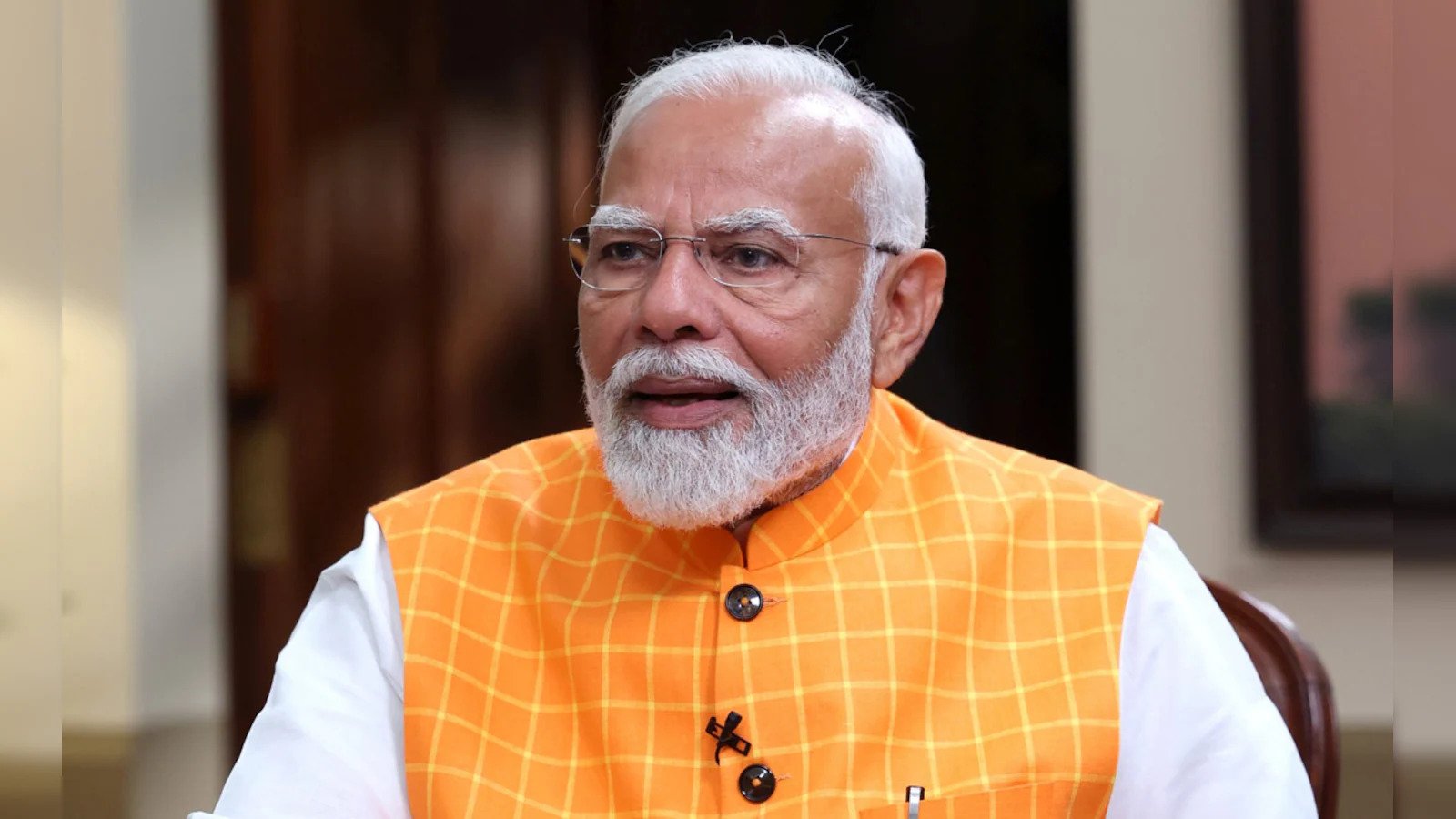
Prime Minister Narendra Modi welcomed the growth figure on September 1, describing the number as a sign of strong economic confidence. The government highlighted India’s ability to maintain growth despite oil-price shocks, supply-chain problems and global uncertainty.
However, one quarter does not determine the entire financial year. Future growth will depend on inflation, interest rates, global trade, energy prices and domestic demand.
India Remains Among the Fastest-Growing Major Economies
India continues to stand out among major economies. During the April-June quarter, India’s 7.8% growth rate was well above China’s reported 4.3% growth and Indonesia’s 5.3% growth.
The latest performance strengthens India’s position as one of the world’s fastest-growing major economies.
It also comes at an important time for policymakers. India is seeking to expand manufacturing, improve infrastructure, attract investment and create more employment opportunities as it works toward its longer-term development goals.
What Happens Next?
The focus will now shift to the next quarters of FY2026-27.
Economists are likely to examine whether the strong investment cycle can continue and whether household consumption remains firm. Global energy prices, inflation and geopolitical developments will also be closely monitored.
The RBI will need to balance economic growth with price stability. Strong GDP growth could give policymakers greater confidence, but rising inflationary pressures could limit the room for easier monetary policy.
For businesses, the latest data provides a reason for cautious optimism. Strong manufacturing, services, investment and consumption suggest that the underlying economy remains healthy.
Conclusion
The 7.8% India GDP growth recorded in the first quarter of FY2026-27 is an encouraging sign for the Indian economy. Growth exceeded expectations even as the country faced global uncertainty, energy-market pressures and supply-chain disruptions.
Manufacturing, services, investment, government spending, consumption and exports all contributed to the performance. The economy has therefore shown resilience during a challenging global period.
Still, policymakers and businesses must remain alert to inflation, energy prices and international risks. The real test will be whether India can maintain strong growth throughout the rest of FY2026-27.
For now, the 7.8% GDP growth rate gives India a strong start to the new financial year and reinforces optimism about the country’s economic outlook.
Read Also | What’s on the Agenda for Xi, Modi and Putin at the SCO Summit?












Leave a comment