

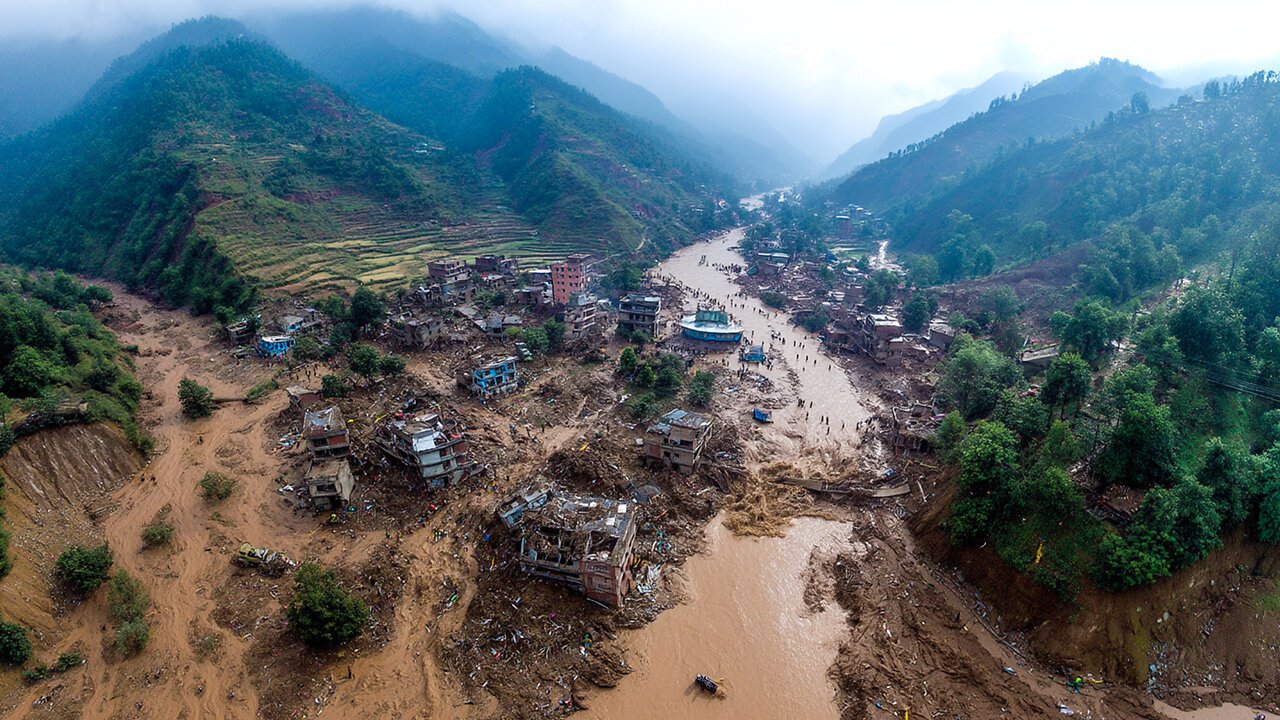

The flood was triggered by a high-altitude ice-rock avalanche in the Lhende Khola, a tributary of the Bhote Koshi River, near the Nepal-Tibet border. Preliminary assessments suggest that a portion of a glacier, approximately 2,000 feet wide, fell nearly 4,000 feet, displacing massive amounts of water, ice, and debris downstream. An earthquake of magnitude 5.2 may have contributed to the avalanche, and a glacial lake outburst flood could also have played a role
The flood surged rapidly, with water levels rising up to nine meters within 30 minutes, leaving residents with almost no warning
The Nepal-Tibet flash-flood disaster that began on August 26, 2026, has developed into a major humanitarian emergency. The latest reports available today, August 31, indicate that at least 903 people have died in Nepal and 4,247 people remain missing. The numbers are still changing as rescue teams reach remote areas and authorities verify records.
Death toll and missing people
The human toll has risen sharply during the past several days.
As of August 31, Nepal’s disaster authorities reported:
- 903 confirmed deaths
- 4,247 people missing
- Hundreds of people injured or displaced
- Thousands of people rescued
- Hundreds of foreign nationals among those missing
The figures have changed significantly as search teams have recovered bodies and authorities have reconciled missing-person records.
The large number of missing people is partly linked to the difficulty of reaching destroyed settlements and infrastructure. Some people were also travelling through the border region for tourism, pilgrimage or work when the disaster occurred.
Hydropower workers remain a major concern
One of the most urgent rescue operations is taking place at hydropower facilities along the affected river system.
Nepali rescue teams, supported by Indian and Chinese experts, are searching tunnels where workers are believed to be trapped beneath mud and rocks. Reuters reported that hundreds were initially believed to be trapped in hydropower tunnels, while rescue teams have been working to clear entrances blocked by several feet of mud and debris.
The situation is particularly dangerous because rescuers face unstable terrain, continuing water flows and limited access for heavy equipment.
Nepal and China both affected
The disaster has crossed the Nepal–China border, with severe damage reported in Tibet’s Gyirong County.
Chinese authorities have reported 16 deaths and 546 missing people in the affected Tibetan area. Among those missing are foreign nationals who were travelling or working in the region.
The destruction has affected border infrastructure and important transport routes between Nepal and China.
Foreign nationals missing
The disaster has also affected tourists and pilgrims from several countries.
Nepal’s Foreign Ministry initially published a list showing 596 foreign nationals from 33 countries missing in its August 27 update. That figure was explicitly described as subject to verification because search-and-rescue operations were still underway.
Indian citizens have been among those affected. Indian media have reported ongoing efforts to locate missing Indian travellers, while many others have already been evacuated from Nepal. One current report, for example, said an elderly couple from Nagpur remained missing after their last confirmed sighting at the Gyirong immigration facility.
Rescue operations intensify
More than 21,000 Nepali personnel, including military personnel and volunteers, have been involved in rescue and relief operations, according to Reuters. China has also deployed thousands of rescuers on its side of the border.
Helicopters have been particularly important for reaching communities cut off by destroyed roads and bridges. However, poor weather and dangerous mountain conditions have repeatedly interrupted aerial operations.
Rescue teams are searching:
- Flooded villages
- Riverbanks
- Damaged buildings
- Hydropower tunnels
- Roads and bridges
- Areas covered by mud and debris
Fresh flooding remains a concern
The emergency has not completely ended.
Authorities have warned about additional rises in the Bhote Koshi River, meaning rescue workers and residents remain at risk. Search-and-rescue operations have therefore had to balance the need to find missing people with the danger of entering unstable areas.
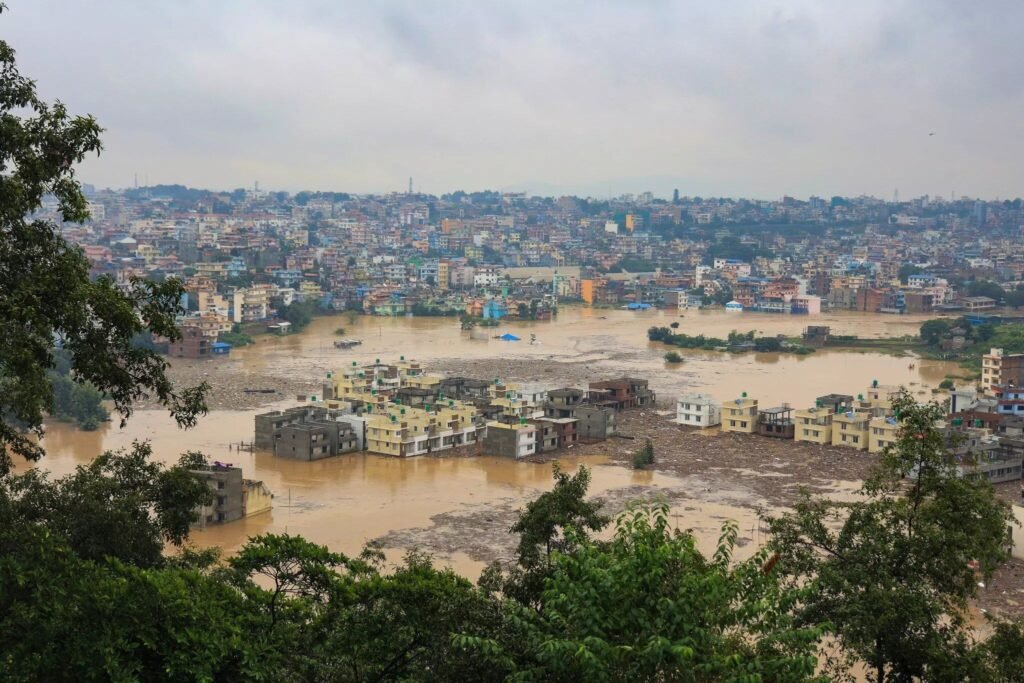
This is particularly serious in Rasuwa, Nuwakot, Dhading and Chitwan, where flooding and debris have caused extensive destruction.
International assistance
Nepal has accepted assistance from neighbouring countries and other international partners as the scale of the disaster has become clearer.
India and China have provided support for rescue operations, including assistance related to the difficult hydropower-tunnel searches. The United States has also announced more than $3.6 million in humanitarian assistance, including emergency food support.
Other countries have also been involved in efforts to locate missing citizens and provide humanitarian assistance.
What happens next?
The immediate priority remains finding survivors, recovering missing people, evacuating stranded residents and providing food, water and medical assistance.
Once the rescue phase becomes less urgent, Nepal will face a huge reconstruction challenge. Roads, bridges, hydropower facilities, homes and other infrastructure have suffered extensive damage.
The disaster is also likely to raise questions about glacier monitoring, early-warning systems and disaster preparedness in the Himalayas.
Climate change and Himalayan risks
Scientists are examining how a warming climate may affect the stability of glaciers, permafrost and mountain slopes. However, it is important not to claim that climate change alone caused this particular event.
The current evidence points to a glacial collapse and rock-and-ice avalanche as the immediate trigger, while researchers continue investigating the broader environmental factors.
Latest situation in one view
| Situation | Latest reported figure |
| Nepal deaths | 903 |
| Missing in Nepal | 4,247 |
| China/Tibet deaths | 16 |
| China/Tibet missing | 546 |
| Disaster began | August 26, 2026 |
| Main affected area | Nepal-Tibet border / Bhote Koshi River region |
| Main trigger | Glacial collapse and rock/ice avalanche |
| Rescue status | Ongoing |
Bottom line: As of August 31, 2026, Nepal is dealing with a devastating flood emergency. The death toll has reached 903, while 4,247 people remain missing in Nepal, according to the latest disaster-authority figures. Rescue teams are still searching for survivors, particularly in damaged hydropower tunnels and isolated communities.
Also Read | Monster Nepal Flash Floods: Over 1,500 Missing as Death Toll Nears 180













Leave a comment