

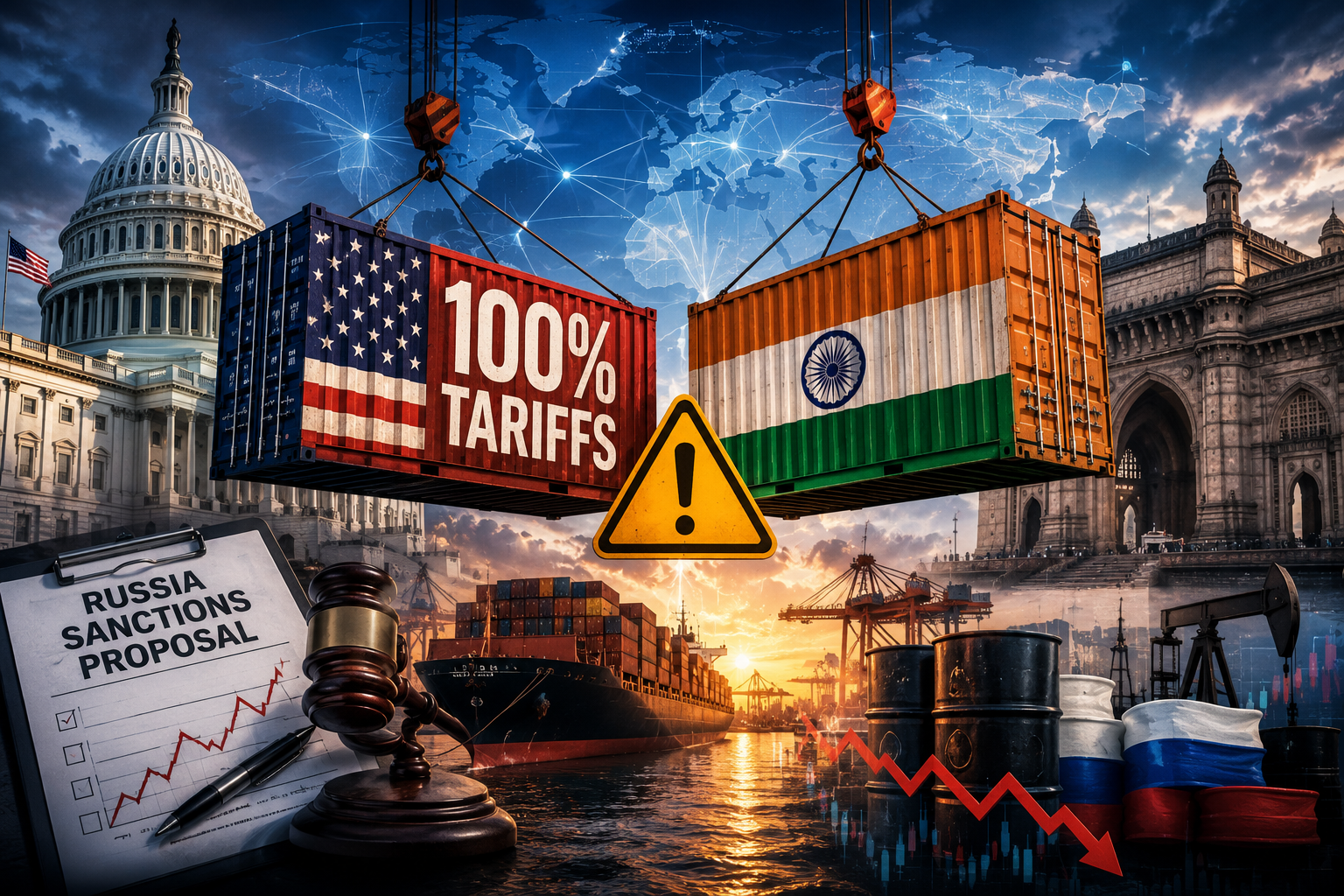

The India at Risk of 100% US Tariffs Under New Russia Sanctions Proposal debate has gained global attention after a proposed bill in the United States Senate raised concerns about countries that continue purchasing Russian energy. If approved, the legislation could allow the US government to impose tariffs of up to 100% on imports from nations that maintain significant trade in Russian oil and other energy products.
Although the proposal has not yet become law, it has sparked discussions among policymakers, businesses, and trade experts. India, one of the world’s fastest-growing economies, could be affected because it has increased imports of discounted Russian crude oil in recent years.
What Is the Russia Sanctions Proposal?
The proposed legislation aims to increase economic pressure on Russia by targeting countries that continue buying large volumes of Russian energy exports.
Supporters of the bill believe stronger economic measures could reduce Russia’s energy revenue and strengthen existing sanctions. The proposal would give the US President authority to impose higher tariffs on imports from countries that continue significant purchases of Russian oil, gas, or related products.
The measure is still moving through the legislative process, and several steps remain before it can become law.
Why India Is in Focus
India has expanded its purchases of Russian crude oil since global energy markets changed following sanctions imposed on Russia by Western countries.
Indian refiners have argued that buying discounted oil helps maintain affordable fuel prices and supports the country’s energy security.
Because India imports a large portion of its energy requirements, officials have consistently stated that national energy needs remain a top priority.
Trade experts say India’s purchasing decisions have been based largely on commercial considerations rather than political alignment.
Could India Really Face 100% Tariffs?
The proposal has raised questions about whether Indian exports to the United States could face tariffs of up to 100%.
However, no such tariffs have been introduced at this stage.
The bill must complete the US legislative process before any action can be considered. Even if the proposal eventually becomes law, implementation would depend on executive decisions and diplomatic discussions.
Analysts note that legislation often changes before final approval.
Impact on India-US Trade
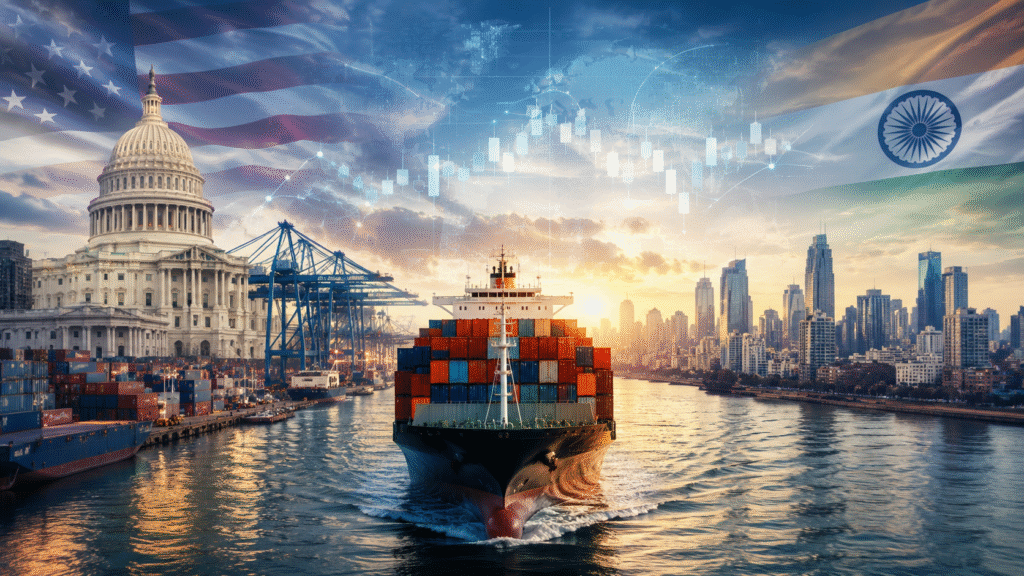
The United States remains one of India’s largest trading partners.
Both countries maintain strong economic ties across sectors including:
- Information technology
- Pharmaceuticals
- Textiles
- Engineering goods
- Chemicals
- Agriculture
- Electronics
If high tariffs were introduced in the future, Indian exporters could face higher costs when selling products in the American market.
Businesses may also experience increased uncertainty while trade negotiations continue.
Energy Security Remains India’s Priority
India continues to emphasize energy security as a key national objective.
The country’s rapidly growing economy requires reliable supplies of crude oil to support transportation, manufacturing, and industrial development.
Officials have repeatedly stated that India purchases oil from multiple international suppliers based on availability, pricing, and national interests.
Diversifying energy sources remains an important long-term strategy.
Possible Economic Impact
Economists believe any major tariff increase could affect several industries if implemented.
Possible impacts include:
- Higher export costs.
- Reduced competitiveness in US markets.
- Supply chain adjustments.
- Increased uncertainty for investors.
- Changes in international trade patterns.
However, many experts also believe negotiations would likely continue before significant trade restrictions take effect.
Diplomatic Relations Continue
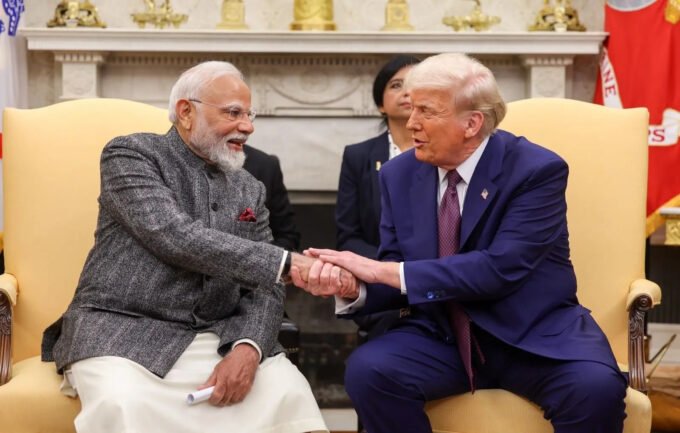
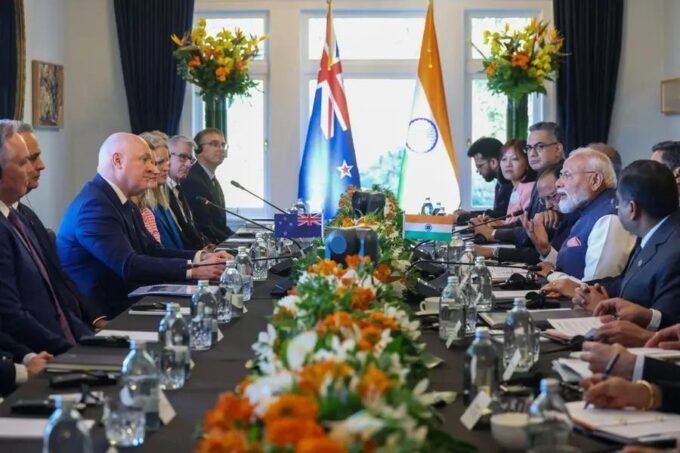
Despite the current discussion, India and the United States continue maintaining strong strategic relations.
The two countries cooperate in areas such as:
- Defence.
- Technology.
- Space exploration.
- Trade.
- Education.
- Clean energy.
- Indo-Pacific security.
Diplomatic engagement remains active, and both governments regularly discuss economic and security issues through multiple bilateral forums.
Experts believe dialogue will play an important role if trade concerns increase.
Business Community Watches Closely
Indian exporters and multinational companies are monitoring developments carefully.
Industries that rely heavily on exports to the United States are assessing possible risks while waiting for greater clarity on the legislation.
Business organizations have urged both governments to continue discussions that protect economic cooperation while addressing broader geopolitical concerns.
Financial markets are also watching the situation because trade policy can influence investor confidence.
Global Trade Implications
The proposed sanctions bill has attracted attention beyond India.
Several countries that continue purchasing Russian energy could also be affected if the legislation eventually becomes law.
Trade analysts say secondary tariffs could reshape international supply chains and encourage companies to review sourcing strategies.
The proposal highlights the increasing connection between geopolitics and global trade.
What Happens Next?
The legislation must continue through the US Senate and complete additional legislative procedures before becoming law.
If approved, implementation details would still need to be determined by the US administration.
Diplomatic negotiations, economic considerations, and national security priorities are all expected to influence future decisions.
Businesses and investors will likely continue monitoring official announcements closely.
Expert Opinions
Trade experts believe it is too early to predict whether India will actually face higher tariffs.
Many point out that international trade disputes are often resolved through negotiations before major restrictions are introduced.
Others note that the strong strategic partnership between India and the United States could encourage both governments to seek balanced solutions.
Economic analysts also stress that businesses should avoid reacting to speculation until official policy decisions are announced.
Conclusion
The India at Risk of 100% US Tariffs Under New Russia Sanctions Proposal discussion reflects the growing link between international trade, energy policy, and global geopolitics. While the proposed legislation has raised concerns, no new tariffs have been imposed on India at this time.
As the bill moves through the US legislative process, governments, businesses, and investors will closely monitor further developments. Regardless of the outcome, the issue highlights the importance of diplomacy, energy security, and stable trade relations between two of the world’s largest democratic economies.
Read Also / US Military to End 23-Year Iraq Deployment by September 2026









Leave a comment