

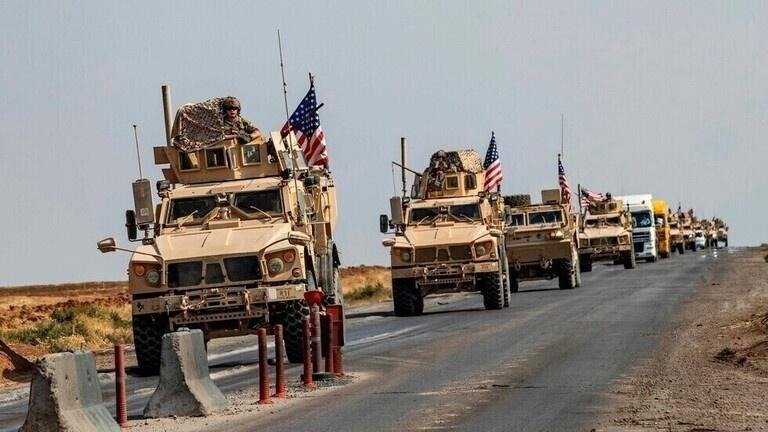

The United States military is preparing to end its 23-year deployment in Iraq by the end of September 2026, bringing one of America’s longest overseas military missions to a close. The withdrawal marks a historic moment for both the United States and Iraq, ending a mission that began with the 2003 Iraq War and later shifted to supporting Iraqi forces against extremist groups.
The decision follows months of discussions between Washington and Baghdad. Officials from both countries have said the move reflects improvements in Iraq’s security capabilities and a transition toward a long-term strategic partnership rather than a permanent military presence.
End of a Two-Decade Mission
The US-led invasion of Iraq began in March 2003 with the goal of removing Saddam Hussein’s government. After the fall of Baghdad, American forces remained in Iraq to help stabilize the country, support reconstruction efforts, and train Iraqi security forces.
Over the years, the mission changed significantly. Following the rise of ISIS in 2014, US troops returned to assist Iraq through intelligence sharing, air support, and military training. As Iraqi forces regained control over territories once occupied by ISIS, discussions about reducing the American military presence gained momentum.
The planned withdrawal by the end of September 2026 marks the final stage of that transition.
Why Is the US Leaving Iraq?
Several factors have contributed to the decision to end the military deployment.
One of the biggest reasons is the improved capability of the Iraqi Security Forces. After years of training and support, Iraqi troops now lead most security operations across the country.
The United States has also shifted its global defense priorities. American policymakers are increasingly focusing on challenges in other regions while maintaining smaller strategic partnerships instead of long-term military deployments.
Officials have emphasized that the withdrawal does not represent an end to cooperation between the two countries. Instead, it signals a new phase of diplomatic and security relations.
What Will Change?
Although US combat forces will leave Iraq, military cooperation is expected to continue in several important areas.
Future collaboration may include:
- Intelligence sharing
- Counterterrorism coordination
- Military training programs
- Defense technology cooperation
- Strategic security consultations
US officials have indicated that these efforts will continue through diplomatic channels and bilateral agreements rather than permanent troop deployments.
Iraq’s Security Outlook
The departure of US forces places greater responsibility on Iraq’s military and security agencies.
In recent years, Iraqi forces have successfully conducted independent operations against extremist groups. However, security experts note that ISIS cells remain active in some remote areas, making continued intelligence cooperation important.
The Iraqi government has expressed confidence that its armed forces are prepared to maintain national security after the withdrawal.
Regional Impact
The US withdrawal is expected to influence the broader Middle East.
Neighboring countries, including Iran, Turkey, Jordan, and the Gulf states, will closely watch how Iraq manages its security after the departure of American troops.
Analysts believe the move could reshape regional alliances and encourage greater cooperation among Middle Eastern countries on security and counterterrorism efforts.
Some experts also suggest that reducing the US military footprint may lower tensions in certain parts of the region, while others caution that extremist groups could attempt to exploit any security gaps.
US-Iraq Partnership Will Continue
Despite ending the military deployment, Washington and Baghdad have stressed that their relationship remains strong.
The United States is expected to continue supporting Iraq through:
- Diplomatic engagement
- Economic investment
- Humanitarian assistance
- Education and development programs
- Counterterrorism cooperation
The US Embassy in Baghdad will continue operating, and both governments are expected to maintain regular high-level meetings on regional security and economic development.
Global Reactions
The announcement has received mixed reactions from international observers.
Some analysts describe the withdrawal as a natural conclusion to a mission that has lasted more than two decades. Others believe continued international cooperation will be essential to prevent the return of extremist groups.
Several regional governments have welcomed the decision while emphasizing the importance of maintaining stability in Iraq.
International organizations continue to support reconstruction, economic growth, and humanitarian programs aimed at strengthening Iraq’s long-term stability.
Challenges Ahead
Although Iraq has made significant progress over the past two decades, several challenges remain.
The country continues to face economic pressures, political divisions, infrastructure needs, and security concerns in some areas. Successfully managing these issues will require cooperation between the Iraqi government, regional partners, and the international community.
Security experts believe the transition period following the US withdrawal will be closely monitored to ensure that Iraqi forces can respond effectively to emerging threats.
A New Chapter for Iraq
The end of the US military deployment represents more than the withdrawal of troops. It marks a shift from a military-centered relationship to one focused on diplomacy, economic cooperation, and long-term regional stability.
For many Iraqis, the withdrawal symbolizes the country’s continued effort to strengthen its sovereignty and take full responsibility for its national security.
At the same time, the United States has made clear that it remains committed to supporting Iraq through strategic partnerships rather than a permanent military presence.
Conclusion
The planned end of the 23-year US military deployment in Iraq is one of the most significant developments in Middle Eastern security in recent years. As American troops prepare to leave by the end of September 2026, both countries are entering a new phase based on cooperation instead of long-term military operations.
While challenges remain, Iraqi leaders say their security forces are ready to protect the country, and US officials have reaffirmed their commitment to maintaining strong diplomatic, economic, and security ties. The coming months will be closely watched as Iraq begins a new chapter in its modern history.











Leave a comment