

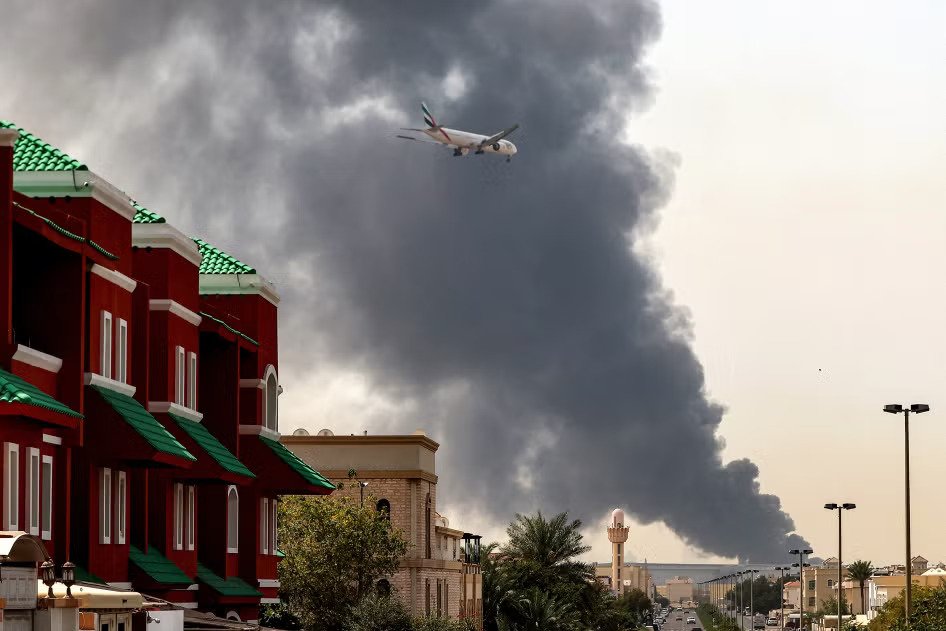

The Middle East has entered a dangerous new phase after Iran reportedly launched coordinated attacks targeting several Gulf states in response to recent US military strikes on Iranian strategic facilities. The latest escalation has heightened fears of a broader regional conflict involving major world powers, threatening international security, global energy markets, and diplomatic stability.
Military officials and international observers say the situation remains fluid as multiple countries strengthen their defenses while calling for restraint. Governments across the Gulf region have activated emergency security protocols amid concerns that further retaliation could destabilize one of the world’s most strategically important regions.
Iran Responds to US Military Action
The attacks came shortly after the United States conducted military strikes against what officials described as Iranian military infrastructure. According to reports, the US operation targeted facilities believed to be associated with missile development and military logistics.
Iranian leaders condemned the strikes as a violation of national sovereignty and warned that any military action against the country would receive a decisive response. Within hours, Iranian forces reportedly launched missile and drone attacks aimed at military installations and strategic infrastructure across several Gulf states that Tehran accuses of supporting American operations.
Iran has maintained that its response was directed at military targets rather than civilian populations. However, the attacks have raised concerns about the possibility of unintended casualties and significant damage to regional infrastructure.
Gulf States Strengthen Security Measures
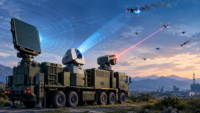
Several Gulf nations immediately activated advanced air defense systems following reports of incoming missiles and drones. Security forces have increased patrols around military bases, airports, oil facilities, and government buildings.
Authorities in affected countries have urged residents to remain calm while following official safety instructions. Emergency response teams have also been placed on high alert in anticipation of further attacks.
Military analysts believe the swift activation of regional air defense networks prevented more extensive damage, although officials continue to assess the full extent of the strikes.
Rising Risk of Regional Conflict
The exchange of military action has significantly increased concerns that the conflict could spread beyond Iran and the United States.
Regional security experts warn that any additional retaliation could involve multiple countries and armed groups aligned with competing regional powers. Such developments could transform an already tense geopolitical situation into a much broader conflict affecting the entire Middle East.
International observers note that several nations maintain military bases throughout the Gulf, making the region particularly vulnerable to further escalation.
Diplomatic channels remain active, but tensions continue to rise as military forces across the region remain on heightened alert.
Impact on Global Oil Markets
One of the immediate consequences of the escalating conflict has been increased uncertainty in global energy markets.
The Gulf region remains central to international oil exports, and any disruption to shipping routes or energy infrastructure could have significant consequences for the global economy.
Energy analysts are closely monitoring developments around major shipping lanes, including the Strait of Hormuz, through which a substantial portion of the world’s oil supply passes each day.
Concerns over possible supply disruptions have already contributed to increased volatility in crude oil prices, with investors reacting to the growing geopolitical risk.
Shipping companies have also begun reviewing security measures for vessels operating in the region.
International Community Calls for Restraint
World leaders have expressed deep concern over the rapidly deteriorating security situation.
Several countries have urged both Iran and the United States to avoid additional military escalation and instead pursue diplomatic negotiations. International organizations have also called for immediate dialogue to prevent a wider regional war.
The United Nations has encouraged all parties to respect international law while emphasizing the importance of protecting civilians from the effects of armed conflict.
Major global powers continue to engage in diplomatic discussions aimed at reducing tensions before the crisis expands further.
Humanitarian Concerns Grow
Humanitarian organizations have warned that continued military operations could place millions of civilians at greater risk.
Potential disruptions to transportation, healthcare services, and essential supplies remain a major concern if hostilities continue.
Aid agencies are preparing contingency plans should the conflict spread into densely populated areas or result in large-scale displacement.
Experts caution that prolonged instability could worsen existing humanitarian challenges already affecting parts of the Middle East.
Military Analysts Monitor Next Moves
Defense analysts believe the coming days will be critical in determining whether the conflict can be contained or develops into a prolonged regional confrontation.
Satellite imagery, intelligence reports, and military deployments are being closely monitored as governments assess potential future threats.
Several nations have increased naval patrols in the Gulf while reinforcing military installations throughout the region.
Security experts suggest that diplomatic engagement over the next several days may prove decisive in preventing additional military exchanges.
Global Economic Implications
Beyond the immediate security concerns, economists warn that prolonged instability in the Gulf could affect international trade, energy prices, inflation, and financial markets.
Airlines have already begun adjusting flight paths to avoid conflict zones, while shipping companies continue evaluating operational risks.
Financial markets worldwide remain sensitive to developments, with investors closely tracking official announcements from governments involved in the crisis.
Should the conflict intensify further, experts believe the economic consequences could extend far beyond the Middle East.
Outlook
The latest exchange between Iran and the United States marks one of the most serious escalations in recent regional tensions. With Gulf states reinforcing defenses and the international community urging restraint, the coming days are expected to be crucial in determining whether diplomacy can prevent a broader conflict.
While military activity continues to dominate headlines, diplomatic efforts remain underway to reduce tensions and restore stability. The evolving situation will likely remain a central focus for global leaders, energy markets, and international security experts as the region navigates one of its most volatile periods in recent years.









Leave a comment