

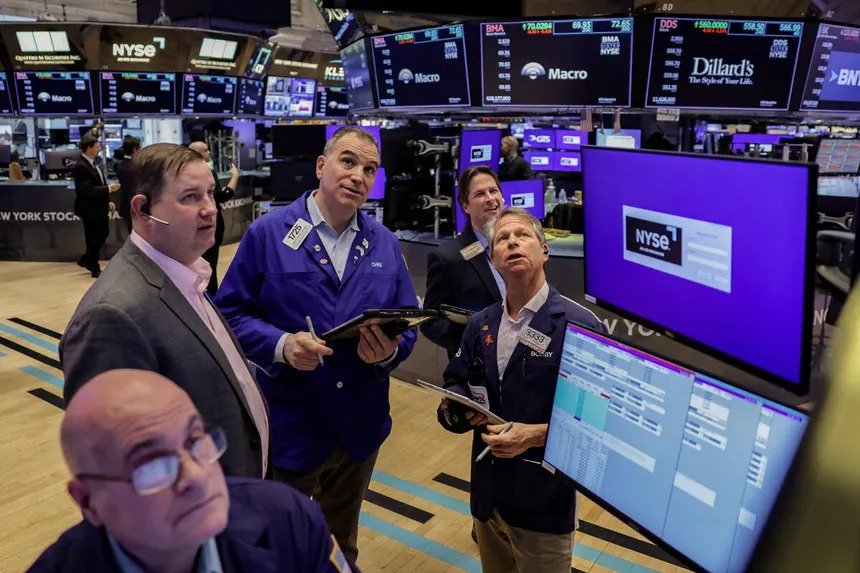

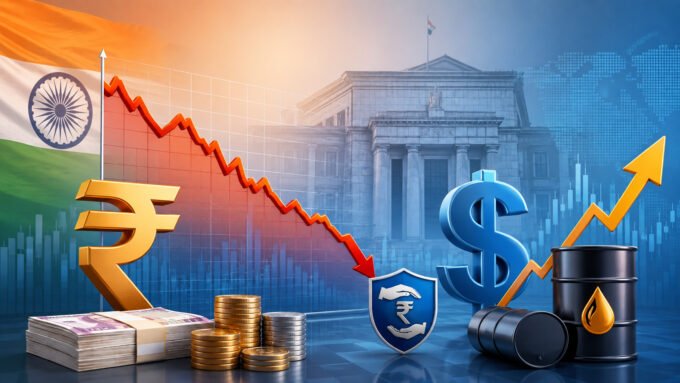
Global financial markets witnessed a sharp sell-off as escalating geopolitical tensions sparked fears of a broader regional conflict, prompting investors to move away from riskier assets. Major stock indices across Asia, Europe, and North America came under pressure, while traditional safe-haven investments such as gold, government bonds, and the US dollar gained strength.
The latest wave of uncertainty follows rising military tensions in the Middle East, which have heightened concerns about global economic stability, energy supplies, and international trade. Analysts warn that prolonged conflict could disrupt supply chains, increase inflationary pressures, and weigh on investor confidence in the weeks ahead.
Global Markets React to Rising Tensions
Investors responded swiftly as news of the escalating conflict spread across international markets.
Leading stock indices posted losses as traders reduced exposure to equities and shifted capital toward lower-risk investments. Banking, aviation, manufacturing, and technology shares were among the sectors experiencing increased selling pressure.
Market volatility also increased significantly, reflecting uncertainty about how the geopolitical situation may evolve.
Financial analysts noted that geopolitical crises often trigger risk-averse behavior, particularly when there are concerns about disruptions to global energy supplies or international trade routes.
Safe-Haven Assets Gain Momentum
As stock markets weakened, investors turned to assets traditionally viewed as safer during periods of uncertainty.
Gold prices climbed as demand for the precious metal increased. Government bonds also attracted strong buying interest, while the US dollar strengthened against several major currencies.
Other defensive investments, including high-quality sovereign debt and certain utility stocks, also saw renewed interest from investors seeking stability.
Market strategists explained that these shifts are common during geopolitical crises, as investors prioritize capital preservation over higher-risk returns.
Energy Markets Under the Spotlight
One of the biggest concerns for investors remains the potential impact on global energy markets.
The Middle East is a critical supplier of crude oil and natural gas, and any prolonged conflict could disrupt production or shipping routes.
Even the possibility of supply interruptions has led to increased volatility in oil prices.
Higher energy costs could contribute to inflation, raising expenses for businesses and consumers while complicating monetary policy decisions for central banks around the world.
Airlines and Travel Stocks Face Pressure
Shares of airline operators, tourism companies, and travel-related businesses declined as investors anticipated potential disruptions to international travel.
Airspace restrictions, increased insurance costs, and higher fuel prices could negatively affect airline profitability if regional tensions continue.
Hospitality companies with significant exposure to international tourism also experienced selling pressure as markets assessed the potential impact on travel demand.
Technology and Manufacturing Also Affected
Technology companies and manufacturers with extensive global supply chains were among the sectors facing investor concern.
Businesses dependent on international shipping, semiconductor production, or imported raw materials could face operational challenges if geopolitical tensions disrupt trade routes.
Market participants are closely monitoring whether shipping costs and logistics delays increase in the coming weeks.
Central Banks Watching Closely
The latest market developments may also influence decisions by major central banks.
Persistent increases in oil prices could place upward pressure on inflation, making it more difficult for policymakers to balance economic growth with price stability.
Economists suggest that central banks will continue monitoring:
- Inflation trends
- Energy prices
- Consumer confidence
- Global trade activity
- Financial market stability
Future interest rate decisions could be influenced by how the geopolitical situation develops.
Emerging Markets Feel the Impact
Emerging market equities and currencies also came under pressure as investors sought safer destinations for their capital.
Countries heavily dependent on imported energy may face additional economic challenges if oil prices remain elevated.
Currency volatility has increased in several developing economies, reflecting uncertainty over future capital flows.
What Analysts Are Saying
Financial experts believe markets will remain highly sensitive to geopolitical developments.
Several factors will likely determine future market direction:
- Progress in diplomatic negotiations
- Any further military escalation
- Stability of oil production and shipping routes
- Statements from major governments
- Central bank policy responses
Analysts caution that while short-term volatility is expected, long-term market performance will depend on broader economic fundamentals.
Advice for Investors
Financial advisors generally recommend avoiding emotionally driven investment decisions during periods of market uncertainty.
Experts suggest investors should:
- Maintain diversified portfolios
- Focus on long-term financial goals
- Avoid panic selling
- Monitor official economic updates
- Review asset allocation if necessary
Historical market trends indicate that geopolitical events often create temporary volatility, although each situation presents unique risks.
Global Outlook
Markets are expected to remain volatile as investors await further clarity on the evolving geopolitical situation.
Should diplomatic efforts succeed in reducing tensions, financial markets could recover some of their recent losses.
However, any significant escalation may continue to pressure equities while supporting safe-haven assets such as gold and government bonds.
Investors worldwide will be watching developments closely, with financial markets likely to react quickly to new information.
Conclusion
The latest decline in global stock markets underscores how geopolitical uncertainty can rapidly influence investor behavior. As fears of a wider conflict grow, investors have shifted toward defensive assets while reducing exposure to riskier investments.
Although financial markets have experienced similar periods of volatility in the past, the direction of global equities will largely depend on how geopolitical tensions evolve and whether diplomatic efforts can prevent further escalation. Until greater clarity emerges, investors are expected to remain cautious, with market sentiment closely tied to developments on the international stage.









Leave a comment