

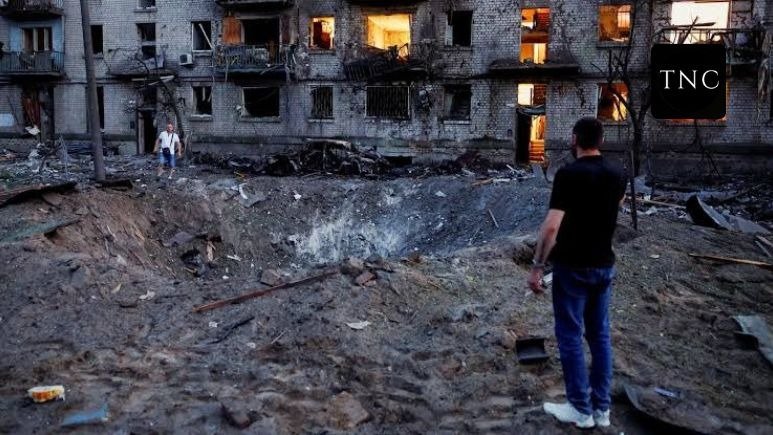

Kyiv: Russia launched one of its largest combined missile and drone attacks on Ukraine’s capital, Kyiv, in the latest escalation of the ongoing conflict. The overnight assault targeted multiple areas of the city, triggering air raid sirens, explosions, fires, and emergency rescue operations as Ukrainian air defense systems worked to intercept incoming threats.
The attack comes amid intensified fighting across several regions of Ukraine and highlights the continuing challenges facing both nations more than four years after the conflict expanded into a full-scale war.
Large-Scale Overnight Assault
According to Ukrainian authorities, Russia deployed a combination of cruise missiles, ballistic missiles, and long-range drones in coordinated waves aimed at Kyiv and surrounding areas.
Air defense units were activated shortly after warning sirens sounded across the capital. Residents sought shelter in underground metro stations, basements, and designated bomb shelters as explosions echoed throughout the city.
Officials reported that several incoming missiles and drones were intercepted before reaching their intended targets. However, debris from destroyed projectiles reportedly caused fires and structural damage in multiple districts.
Emergency responders were immediately dispatched to affected neighborhoods to extinguish fires, rescue trapped residents, and assess the extent of the destruction.
Casualties and Damage Reported
Local authorities confirmed that the attack resulted in civilian casualties and injuries, although officials continue to verify the exact numbers as rescue operations remain ongoing.
Several residential buildings sustained damage, while commercial properties, vehicles, and public infrastructure were also affected.
Emergency medical teams established temporary treatment centers in impacted areas to assist injured residents.
Authorities have urged citizens to remain cautious, as unexploded debris from intercepted missiles and drones may still pose safety risks.
Ukrainian Air Defenses Respond
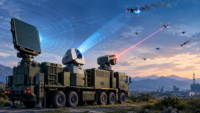
Ukraine’s air defense network played a crucial role during the attack.
Military officials stated that defense systems successfully intercepted many incoming missiles and drones before they reached central Kyiv.
Ukraine has significantly strengthened its air defense capabilities with support from international partners, allowing it to reduce the effectiveness of large-scale aerial assaults.
Nevertheless, experts note that even intercepted projectiles can cause serious damage when debris falls into populated areas.
The latest attack demonstrates both the growing sophistication of aerial warfare and the continuing importance of advanced air defense systems.
Russia’s Military Strategy
Military analysts believe the large-scale assault reflects Russia’s continuing strategy of applying sustained pressure on Ukraine through long-range missile and drone strikes.
Such attacks often target:
- Energy infrastructure
- Transportation networks
- Military facilities
- Industrial sites
- Communication systems
Although military objectives are frequently cited, civilian infrastructure has also suffered extensive damage throughout the conflict.
Analysts suggest that repeated aerial attacks are intended to weaken Ukraine’s logistical capabilities while placing psychological pressure on the civilian population.
Ukraine Calls for Greater International Support
Following the latest assault, Ukrainian leaders renewed appeals for additional military assistance from international allies.
Officials emphasized the need for:
- Advanced air defense systems
- Additional interceptor missiles
- Long-range surveillance capabilities
- Humanitarian assistance
- Reconstruction funding
Ukraine argues that stronger defensive capabilities remain essential to protecting civilian populations from continuing missile and drone attacks.
International Reaction
The attack has drawn widespread international attention.
Several governments expressed concern over the renewed escalation and reiterated support for diplomatic efforts aimed at reducing hostilities.
International organizations also called for the protection of civilians and adherence to international humanitarian law.
Global leaders continue to monitor developments closely as concerns grow over the possibility of further escalation in the region.
Impact on Daily Life in Kyiv
Despite repeated attacks, Kyiv continues to function under difficult conditions.
Schools, hospitals, businesses, and public transportation have adapted to frequent air raid alerts and emergency procedures.
Residents have become accustomed to responding quickly whenever warning sirens are activated.
Following the latest attack, emergency workers continued clearing debris while utility crews restored damaged power lines, roads, and communication networks.
Many citizens praised first responders for their rapid response during the overnight emergency.
Economic and Global Impact
The continuing conflict has implications far beyond Ukraine.
Renewed missile attacks contribute to uncertainty in global financial markets, particularly in sectors linked to:
- Energy
- Agriculture
- Shipping
- Commodity trading
Ukraine remains one of the world’s major grain exporters, while Russia is a significant energy producer.
Any escalation in the conflict has the potential to affect global food supplies, fuel prices, and international trade.
Investors are closely monitoring military developments for their possible economic consequences.
Humanitarian Concerns Continue
Humanitarian organizations remain concerned about the impact of repeated attacks on civilians.
Thousands of families across Ukraine continue to experience displacement, infrastructure damage, and disruptions to essential services.
Aid agencies are providing:
- Emergency shelter
- Medical assistance
- Food supplies
- Psychological support
- Reconstruction aid
International relief organizations continue working alongside Ukrainian authorities to assist affected communities.
What Happens Next?
Military experts believe both sides are likely to continue adapting their strategies as the conflict evolves.
Ukraine is expected to strengthen defensive measures further, while international partners continue discussions regarding additional military and humanitarian support.
Diplomatic efforts aimed at ending the conflict remain ongoing, although significant political differences continue to hinder progress toward a comprehensive peace agreement.
Observers note that future developments will depend on military conditions on the ground, diplomatic negotiations, and international engagement.
Conclusion
Russia’s latest missile and drone assault on Kyiv represents one of the most significant aerial attacks on the Ukrainian capital this year, underscoring the continuing intensity of the conflict. While Ukraine’s air defense systems intercepted many incoming threats, the attack still caused casualties, property damage, and renewed humanitarian concerns.
As rescue operations continue and authorities assess the full extent of the destruction, the international community is once again calling for restraint, civilian protection, and renewed diplomatic efforts. With no immediate end to the conflict in sight, the latest attack highlights the ongoing challenges facing Ukraine and the broader implications for regional and global security.













Leave a comment