

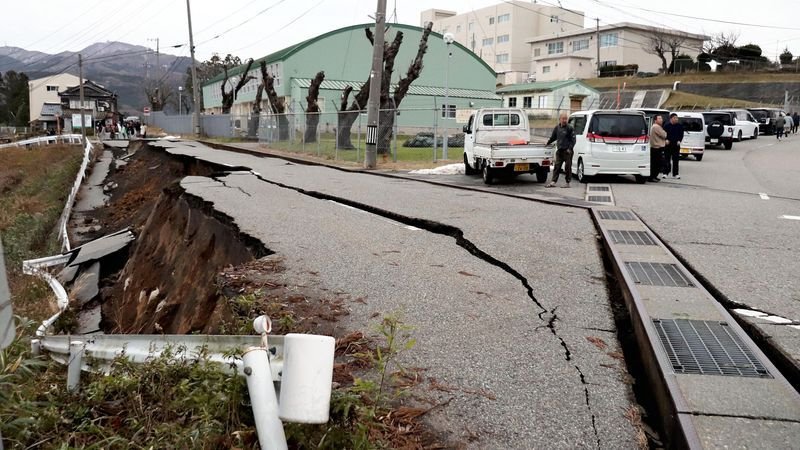

The Japan Kumamoto earthquake transport and flights affected situation has created significant disruption across the Kumamoto Prefecture, with authorities working quickly to restore normal services. A strong earthquake shook the region, prompting emergency inspections, transport delays, temporary flight disruptions, and precautionary closures of several public facilities.
Officials immediately activated emergency response systems to ensure public safety. Residents were advised to remain alert for aftershocks while transportation operators inspected critical infrastructure before resuming normal operations.
Powerful Earthquake Shakes Kumamoto
The earthquake struck Kumamoto, a region located on Japan’s southern island of Kyushu. Strong shaking was reported across several nearby cities, causing concern among residents and visitors.
Although many buildings withstood the tremor due to Japan’s strict construction standards, authorities carried out detailed safety inspections before allowing transportation and public services to resume.
Emergency teams quickly assessed roads, bridges, railway lines, and utility networks to identify any damage.
Transport Services Face Temporary Disruptions
One of the immediate impacts of the earthquake was on public transportation.
Several railway operators temporarily suspended train services to inspect tracks and signaling systems. High-speed rail operators also conducted safety checks before restarting services.
Road traffic slowed in several areas as officials inspected highways, tunnels, and bridges for structural damage.
Bus services experienced delays because drivers followed emergency safety procedures after the earthquake.
Transport officials urged passengers to check the latest schedules before beginning their journeys.
Flights Delayed During Safety Inspections
Air travel was also affected following the earthquake.
Airports in and around Kumamoto temporarily delayed some arrivals and departures while engineers inspected runways, terminals, and navigation equipment.
Although no major structural damage was immediately reported at airport facilities, airlines adjusted flight schedules as a precaution.
Most operations gradually resumed after safety teams confirmed that airport infrastructure remained secure.
Passengers were encouraged to monitor airline announcements for updated departure information.
Public Services Experience Interruptions
Several government offices, schools, and community centers temporarily suspended operations after the earthquake.
Local authorities inspected public buildings to ensure they remained safe for employees and visitors.
Some hospitals activated emergency response protocols to prepare for additional patients, although healthcare services continued without major interruptions.
Utility companies also inspected electricity, gas, and water systems to prevent further problems.
In a few neighborhoods, temporary power outages were reported while repair teams restored normal electricity supply.
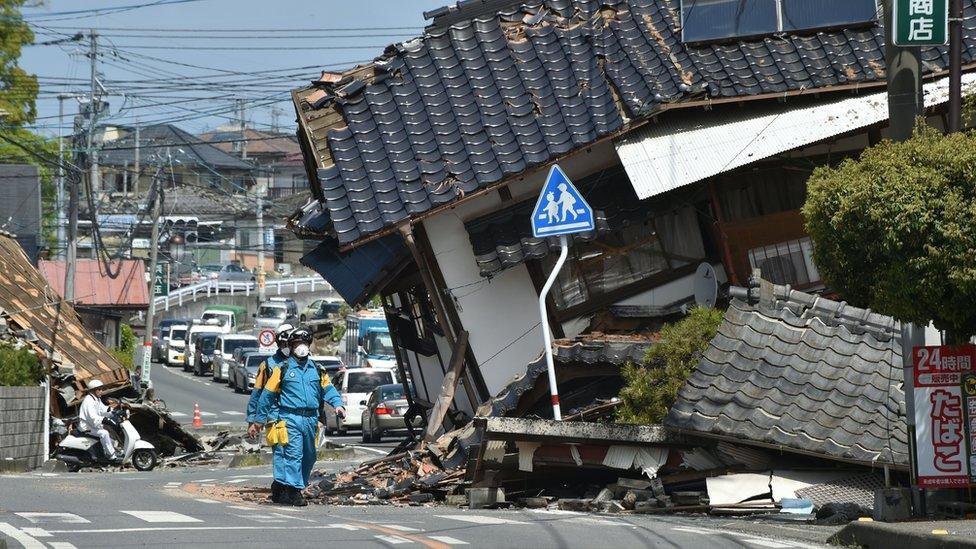
Emergency Response Begins Immediately
Japan’s disaster management system responded quickly after the earthquake.
Emergency services coordinated with local governments, police, firefighters, and medical teams to assess the situation.
Rescue personnel checked residential areas, public buildings, and transportation facilities for possible damage.
Authorities also issued public safety advisories encouraging residents to avoid damaged structures and remain prepared for possible aftershocks.
Emergency shelters were kept ready in case additional assistance became necessary.
Aftershocks Keep Residents Alert
Following the initial earthquake, several aftershocks were recorded.
Although many were smaller than the main tremor, officials warned residents to stay cautious because additional seismic activity can occur after major earthquakes.
Experts reminded the public to keep emergency supplies, follow official guidance, and avoid entering damaged buildings until inspections are completed.
Preparedness remains one of Japan’s strongest defenses against natural disasters.
Japan’s Earthquake Preparedness Limits Damage
Japan is recognized globally for its advanced earthquake preparedness systems.
Modern buildings are designed using strict seismic safety standards that help reduce damage during strong earthquakes.
The country also operates one of the world’s most advanced earthquake early warning systems, allowing trains, factories, and public facilities to respond within seconds of seismic activity being detected.
Regular emergency drills and public education programs help communities react quickly during earthquakes.
These measures have significantly improved public safety over recent decades.
Impact on Local Businesses
Many businesses temporarily closed while building inspections were completed.
Retail stores, restaurants, shopping centers, and offices delayed opening until authorities confirmed that their facilities remained safe.
Some tourist attractions also suspended operations for precautionary inspections.
Business owners expressed confidence that services would gradually return as recovery efforts continued.
Tourism Experiences Short-Term Challenges
Kumamoto is a popular tourist destination known for its historic castle, natural scenery, and cultural attractions.
The earthquake caused temporary disruptions for domestic and international visitors.
Hotels assisted guests by providing updated travel information and coordinating transportation where necessary.
Tourism officials stated that most attractions are expected to reopen after safety assessments are completed.
Travelers were advised to check local updates before visiting affected areas.
Infrastructure Recovery Underway
Repair teams have already begun inspecting roads, bridges, railway infrastructure, and public facilities.
Engineers continue evaluating buildings to determine whether repairs are required.
Government agencies are working closely with utility providers to restore all essential services as quickly as possible.
Officials have emphasized that public safety remains the highest priority throughout the recovery process.
Community Response
Residents across Kumamoto demonstrated resilience by supporting neighbors and following official emergency guidance.
Community volunteers assisted elderly residents, while local organizations helped distribute supplies where needed.
Japan’s culture of disaster preparedness once again helped communities respond calmly and efficiently during the emergency.
Looking Ahead
Authorities will continue monitoring seismic activity over the coming days.
Transportation providers are expected to restore full schedules after completing final infrastructure inspections.
Government agencies also plan to review earthquake response measures to improve preparedness for future emergencies.
Residents are encouraged to remain informed through official announcements and maintain emergency preparedness kits at home.
Conclusion
The Japan Kumamoto earthquake transport and flights affected situation highlights both the challenges created by powerful earthquakes and Japan’s strong disaster preparedness system. Temporary disruptions to transport, flights, and public services were managed through rapid inspections and coordinated emergency response.
Although recovery work continues, the quick actions of emergency personnel, transport operators, and local authorities have helped minimize disruption. As normal services gradually
Read Also / Australia and India Finalizing Air-to-Air Military Aircraft Refueling Agreement














Leave a comment