

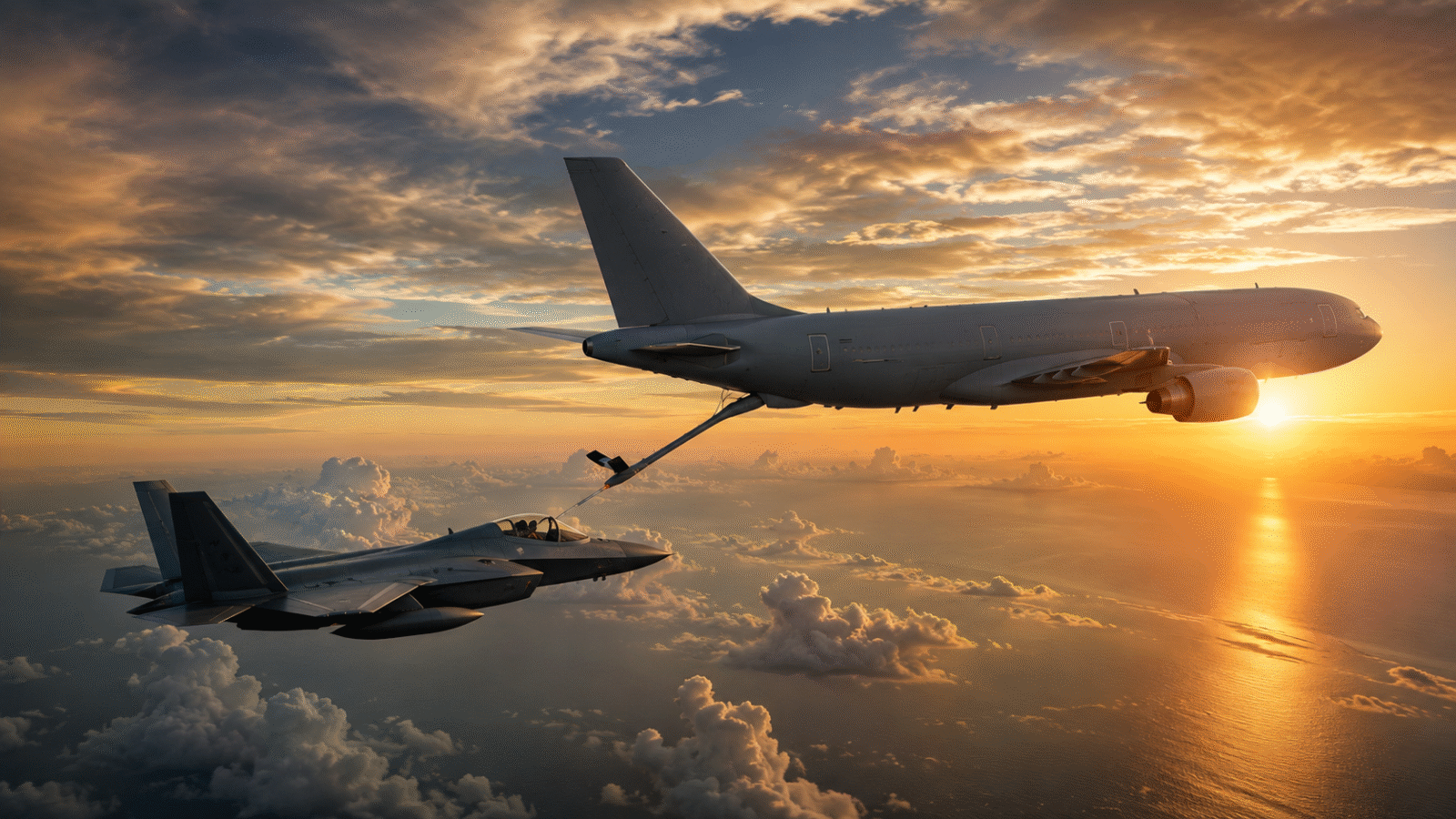

Australia and India are moving closer to signing a new air-to-air military aircraft refueling agreement, a major step that is expected to strengthen defence cooperation between the two countries. The proposed arrangement will allow military aircraft from both nations to refuel in the air during joint exercises, humanitarian missions, and other approved operations.
The agreement reflects the growing strategic partnership between India and Australia as both countries continue to expand cooperation in defence, maritime security, and regional stability across the Indo-Pacific. Defence officials from both sides have confirmed that discussions are in the final stages, raising expectations that the pact could be signed soon.
A New Chapter in Defence Cooperation
India and Australia have significantly strengthened their defence relationship over the past few years. The two nations regularly conduct military exercises, exchange high-level visits, and work together through regional security initiatives.
The proposed Australia and India air-to-air military aircraft refueling agreement represents another milestone in this expanding partnership. Once finalized, it will improve operational coordination and allow both air forces to support each other during long-range missions.
Military experts believe the agreement will enhance interoperability, making future joint operations more efficient.
What Is Air-to-Air Refueling?
Air-to-air refueling is a military capability that allows one aircraft, known as a tanker, to transfer fuel to another aircraft while both are flying.
This process offers several important advantages:
- Extends aircraft flying range.
- Increases mission endurance.
- Reduces the need for emergency landings.
- Supports long-distance deployments.
- Improves operational flexibility during exercises and missions.
Modern air forces use this capability to conduct extended surveillance, transport operations, and humanitarian assistance missions across vast distances.
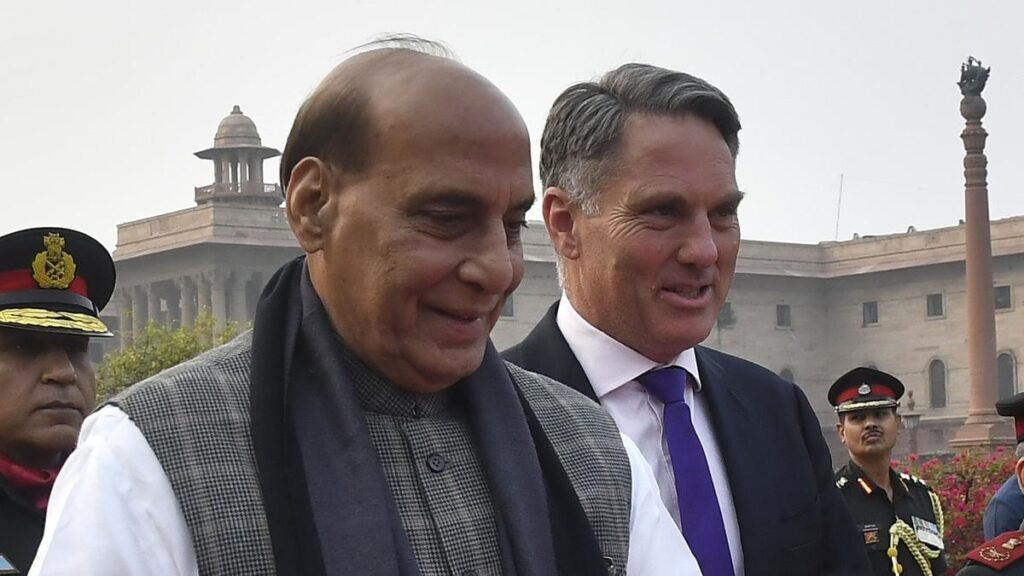
Regular meetings between political and military leaders have reinforced mutual trust and encouraged deeper cooperation across multiple sectors.
The defence partnership has become one of the strongest pillars of the broader bilateral relationship.
Benefits for the Indian Air Force and Royal Australian Air Force
The agreement is expected to benefit both the Indian Air Force (IAF) and the Royal Australian Air Force (RAAF).
For the Indian Air Force, access to Australian refueling support could enhance long-range deployments during multinational exercises.
Similarly, Australian aircraft will gain greater operational flexibility when participating in exercises or missions involving India.
The arrangement may also improve training opportunities for pilots and aircrew by allowing them to operate together under shared procedures.
Supporting Indo-Pacific Security
The Indo-Pacific has become one of the world’s most strategically important regions.
India and Australia, along with several regional partners, continue working to promote a free, open, and stable Indo-Pacific through diplomatic engagement and defence cooperation.
Although the refueling agreement is primarily operational, analysts believe it also sends a positive signal about the growing trust between both countries.
Greater logistical cooperation allows friendly nations to respond more effectively during emergencies, natural disasters, and regional security challenges.
Humanitarian and Disaster Relief Operations
The agreement is not limited to military exercises.
Air-to-air refueling can also support humanitarian assistance and disaster relief operations by enabling aircraft to remain airborne for longer periods.
During emergencies such as earthquakes, cyclones, floods, or wildfires, extended flight endurance allows transport aircraft to deliver aid more efficiently to affected regions.
This capability could strengthen future disaster response efforts involving India and Australia.
Strengthening Regional Partnerships
India and Australia regularly participate in multinational military exercises with other friendly nations.
Improved logistical cooperation will make these joint exercises smoother and more effective.
Military planners often highlight interoperability as one of the most important elements of successful multinational operations. Shared refueling arrangements help participating forces coordinate more easily during complex missions.
The agreement also complements broader defence cooperation initiatives already established between the two countries.
Experts Welcome the Move
Defence analysts have generally welcomed the progress made on the agreement.
Many experts believe the arrangement reflects the increasing maturity of India-Australia relations.
They note that practical defence cooperation, including logistics and operational support, often strengthens long-term strategic partnerships more effectively than symbolic agreements alone.
Analysts also expect future cooperation to expand into advanced technologies, intelligence sharing, maritime surveillance, and defence manufacturing.
Looking Ahead
Once the agreement is formally signed, both governments are expected to establish detailed operational procedures covering refueling protocols, training standards, safety measures, and mission coordination.
Military officials from both countries will likely conduct additional joint exercises to integrate the new capability into existing operational planning.
The agreement could also encourage further defence initiatives aimed at improving regional stability and strengthening bilateral cooperation.
Conclusion
The Australia and India air-to-air military aircraft refueling agreement marks another important step in the growing strategic partnership between the two nations. By improving operational flexibility, extending aircraft range, and supporting joint exercises, the agreement will strengthen defence cooperation while contributing to peace and stability across the Indo-Pacific.
As India and Australia continue expanding collaboration in defence, technology, trade, and regional security, this agreement highlights their shared commitment to building a stronger and more resilient partnership. With final negotiations nearing completion, the pact is expected to become a significant milestone in the evolving defence relationship between the two countries.
Also Read / 20,000 People Evacuated as Massive Wildfires Sweep Southwest France Amid Extreme Heat











Leave a comment