


The apology arrived long after the funeral.
In the small Canadian town of Tumbler Ridge, where forests edge schoolyards and news usually travels by neighbor, grief had already settled into daily life. Children’s backpacks remained untouched in bedrooms. Flowers outside the secondary school had browned in the spring rain. Parents who once waved goodbye at bus stops now stood in silence.
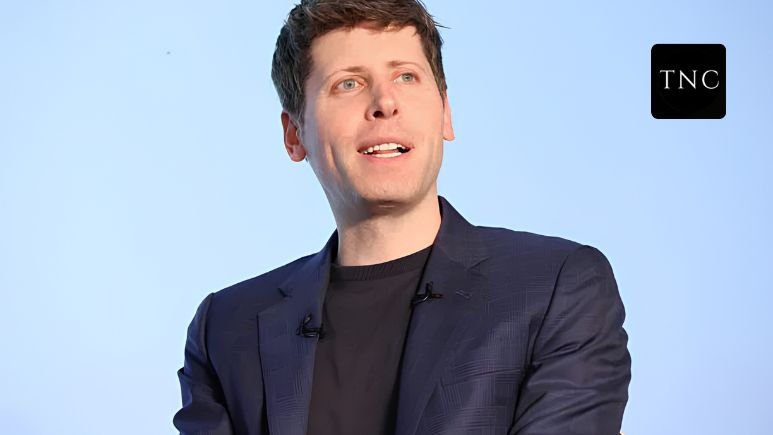
Then came a letter from Sam Altman.
“I am deeply sorry,” he wrote, acknowledging that OpenAI had previously identified troubling activity tied to an account later linked to the teenage gunman responsible for one of Canada’s deadliest school shootings. The company banned the account months before the attack but did not alert law enforcement.
This is not just a story about one tragedy or one apology. It is about a new kind of power problem.
Artificial intelligence companies now monitor vast amounts of human behaviour, such as questions, prompts, fantasies, threats, and obsessions. Their systems can sometimes detect danger earlier than schools, families, or police. But when a machine flags risk, who decides what happens next? A trust-and-safety team? A legal department? An algorithm tuned to avoid false alarms?
The Tumbler Ridge case exposes a growing global dilemma: tech firms increasingly possess signals of real-world violence, yet the rules governing when to intervene remain murky.
OpenAI said it detected behavior associated with violent activity and banned the user account in June 2025. But the company determined the activity did not meet the threshold for referral to police. Months later, authorities say eight people were killed in the February 2026 attack, including children and an educator.
That timeline raises three uncomfortable truths.
First: detection without action is not enough.
Tech companies often celebrate safety systems that catch abuse. But a warning that goes nowhere can become little more than a private memo. If platforms can identify credible threats, they need clear escalation pathways.
Second: privacy and public safety are now on a collision course.
No company should casually hand user data to governments. But refusing to act when violence indicators are strong carries its own moral cost. The challenge is building narrow, accountable systems for extreme-risk cases.
Third: AI firms are no longer neutral tools.
For years, technology companies argued they merely provided platforms. That defense grows weaker when those same companies actively moderate content, suspend users, and run advanced risk-detection systems. Once you can see danger, society expects responsibility.
Critics in British Columbia called the apology necessary but insufficient. That reaction reflects a broader public mood: remorse after catastrophe is cheaper than prevention before it.
The Tumbler Ridge tragedy may become a turning point in how governments regulate AI safety. The real question is no longer whether AI companies can detect threats. It is whether they are willing and required to act before sirens replace notifications.
Also Read / OpenAI Prescribes AI for All: Giant Leap into Healthcare with HIPAA-Compliant ‘ChatGPT for Healthcare’.














Leave a comment