

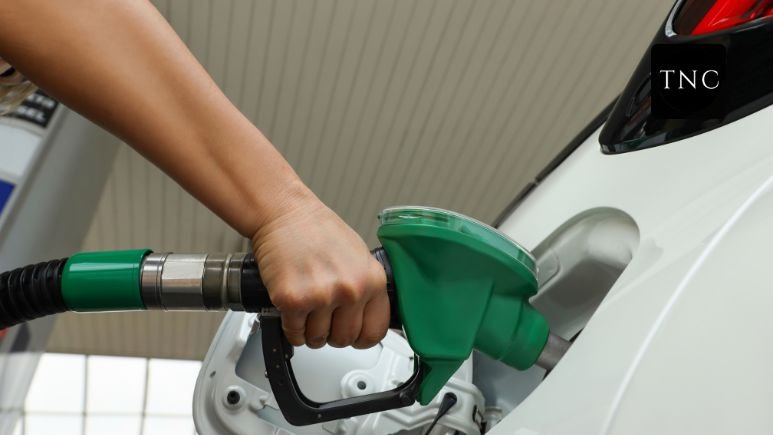

The truck driver had been awake since 3 a.m., waiting in line at a fuel station outside Mumbai. By sunrise, the queue had curled onto the highway shoulder. He stepped down from his cab, looked at the price board, and shook his head. Another jump. Not in petrol or diesel. He pulled out his phone, called his dispatcher, and gave the only answer he could: the next shipment of vegetables would cost more to deliver.
Hours later, those tomatoes would sit under fluorescent lights in a supermarket cooler, priced a little higher than yesterday. Few shoppers would know why.
That is how diesel inflation works. Quietly. Relentlessly. And often before the public notices.
Why This Matters More Than a Petrol Price Hike
When petrol prices rise, consumers feel it directly at the pump. Drivers complain, commuters adjust, weekend trips get postponed. But when diesel prices rise faster than petrol, the economic damage runs deeper.
Diesel powers the backbone of commerce: trucks, buses, tractors, ships, generators, construction equipment, and factory logistics. It moves wheat to mills, cement to job sites, medicine to hospitals, and parcels to front doors. A spike in diesel doesn’t just hit motorists it hits supply chains.
That makes diesel one of the clearest warning signals in any inflation cycle.
Why Diesel Prices Often Rise Faster
The explanation starts with refining.
Petrol and diesel come from crude oil, but they are not equally easy to produce or equally abundant. Diesel often depends on heavier crude grades and specific refining capacity. In periods of war, shipping disruptions, or sanctions, diesel supply can tighten faster than petrol supply. Recent global tensions around West Asia and transport chokepoints have added pressure to distillate fuels like diesel and jet fuel.
Then comes demand.
Petrol demand can soften when people drive less. Diesel demand is stickier. Freight still needs to move. Farms still need harvesting. Power backups still need fuel. Businesses cannot simply “skip a tank this week.”
That imbalance between tight supply and stubborn demand pushes diesel higher, faster.
The Hidden Tax on Daily Life
Most households do not buy diesel directly. They pay for it indirectly.
When trucking costs rise, retailers pass on transport expenses. Food gets costlier. Online deliveries become pricier. Airfares can rise if jet fuel follows. Infrastructure projects face higher equipment costs. Public transport systems absorb more expense or seek fare hikes.
This is why economists often treat diesel as an inflation multiplier rather than just another commodity.
In India, where road freight carries a large share of goods movement, diesel prices have outsized influence on everyday costs. Even when retail prices remain politically controlled or temporarily frozen, losses can build elsewhere in the system. Recent government statements acknowledged under-recoveries for fuel retailers amid high global prices.
If crude prices cool and shipping routes normalize, diesel pressure can ease. But supply chains do not reset overnight. Inventories must rebuild. Freight contracts must adjust. Retailers may keep prices elevated long after fuel markets calm down.
That lag is why diesel shocks can outlast the headlines that caused them.
Petrol price hikes anger drivers. Diesel price hikes reshape economies.
When diesel climbs, it is rarely just a fuel story. It is a warning that the cost of moving the world is going up and sooner or later, everyone pays.
Also Read / The Invisible Fuel, the Enormous Bet: Inside India’s Race to Lead the Green Hydrogen Revolution.













Leave a comment