

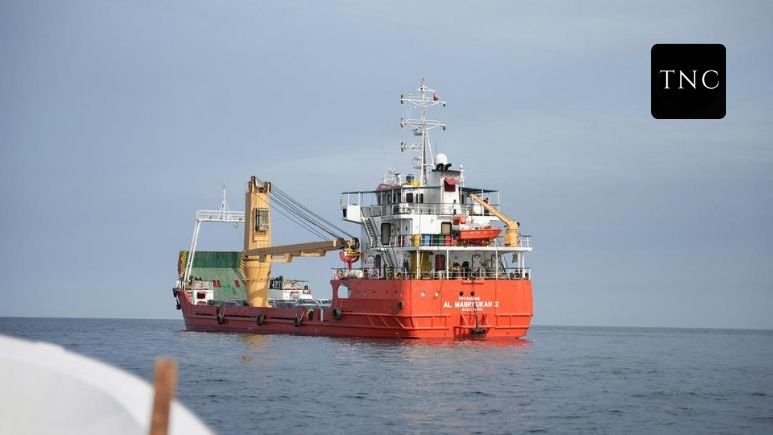

At dawn, the tanker slowed to a crawl near the Strait of Hormuz. Its captain had been tracking conflicting signals all night, some ships turning back, others slipping through under radio silence. Then came the warning shots. Within minutes, the vessel changed course, joining a growing queue of ships idling in uncertain waters. For crews aboard these vessels, the ceasefire announced days earlier felt like a technicality. The sea was still tense, the risks still real, and the rules still shifting by the hour.
This moment at sea captures the fragile reality behind headlines: a ceasefire between Iran and the United States exists on paper, but not in practice. Tehran has made its position clear on negotiations until the U.S. lifts its naval blockade. Washington, meanwhile, is doing the opposite: extending the ceasefire while tightening maritime pressure. The result is a geopolitical stalemate with global consequences, from oil prices to diplomatic stability.
The core conflict is no longer just military, it is strategic leverage.
Iran views the blockade as an act of war, arguing it violates the very ceasefire meant to create space for diplomacy. Iranian officials have insisted that talks cannot happen “under the shadow of threats,” making the lifting of the blockade a precondition for negotiations.
The United States is playing a different game. By extending the ceasefire while maintaining the blockade, it is attempting to force Iran to negotiate from a weakened position. The naval restrictions are not symbolic; they are choking Iran’s primary revenue stream: oil exports. Reports suggest shipping through the Strait of Hormuz has slowed dramatically, disrupting a route that typically carries about one-fifth of global oil supply.
That pressure is already reshaping the battlefield. The U.S. has seized vessels, expanded operations into the Indian Ocean, and turned back dozens of ships. At the same time, Iran has responded with its own escalation, closing parts of the strait, firing warning shots, and threatening broader retaliation.
This is the paradox of the current ceasefire: both sides are technically observing it while actively undermining it.
Diplomatically, the situation is equally fragile. Talks mediated by Pakistan have stalled, with key meetings postponed and both sides questioning each other’s intentions. The U.S. insists Iran must present a unified proposal before negotiations resume, while Iran suspects the ceasefire extension is merely a tactic to buy time or justify further pressure.
What emerges is a classic standoff. The U.S. is betting economic strangulation will bring Iran to the table. Iran is betting resistance and control over a critical oil chokepoint will force concessions first.
A ceasefire without trust is just a pause with tension. Until one side blinks on the blockade, diplomacy will remain stalled and the world’s most important shipping lane will stay one miscalculation away from the crisis.
Also Read / The Gate of Tears and the Crown Jewel: How Iran’s Chokepoint Strategy Is Holding the World to Ransom .











Leave a comment