

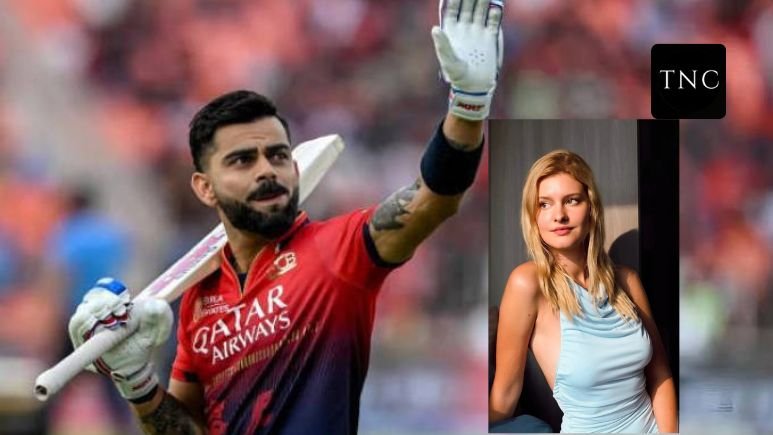

At 2:13 a.m., somewhere between a late scroll and a fleeting tap, the world’s most followed cricketer double-tapped a photo.
No press conference. No statement. Just a heart icon lighting up beneath a post from an unfamiliar influencer.
By sunrise, screenshots had already escaped the quiet confines of Instagram. WhatsApp groups buzzed. Twitter (or X) spiraled. Reddit threads dissected timelines like forensic reports. And by mid-morning, the verdict from the internet was unanimous: “Algorithm ne kar diya.”
What might have been a forgettable digital reflex had become something else entirely a spectacle.
The incident of Virat Kohli allegedly liking a post from a foreign influencer quickly snowballed into a meme storm, reviving an old explanation he once offered: that Instagram’s algorithm could be responsible for such activity.
But this isn’t really about a “like.” It’s about the strange, unforgiving physics of celebrity in the digital age where even the smallest action becomes public property, dissected, memed, and repurposed within minutes.
In another era, a cricketer’s life was measured in runs, centuries, and match-winning knocks. Today, it’s also measured in taps, follows, and likes.
For someone like Virat Kohli with hundreds of millions watching there is no such thing as a private gesture online. A single interaction doesn’t stay contained; it multiplies.
This is the paradox of modern fame:
- Visibility is currency.
- But visibility is also surveillance.
The reaction followed a predictable arc. First came curiosity: who is the influencer? Then came the humor “Cheeku bhai private ID bana lo.” Finally, the memes have dozens of variations, all pointing back to one familiar scapegoat: the algorithm.
Fans weren’t just reacting; they were participating in a shared cultural script. The “algorithm joke” has now become shorthand a way to explain away awkward or unexpected digital behavior with irony.
And there’s something deeper at play. Social media platforms are designed to blur intent. A “like” could mean appreciation, accident, or algorithmic suggestion. The ambiguity fuels speculation and speculation fuels engagement.
That’s the real engine here.
Research into meme culture shows that content spreads fastest when it carries emotion, relatability, and a clear subject. A global star, a mysterious interaction, and a hint of controversy this incident checked every box.
In other words, the meme storm wasn’t random. It was almost inevitable.
A thumb slipped. The internet sprinted.
In 2026, a cricketer doesn’t just play matches he plays the algorithm too. And sometimes, whether he means to or not, the algorithm plays him back.













Leave a comment