


The line moved slowly at the immigration counter in Seattle. Fluorescent lights hummed overhead as a young Chinese researcher clutched a folder passport, visa, invitation letter neatly stacked. He had rehearsed this moment for weeks. A conference presentation. A career milestone.
Instead, he was led into a separate room.
Hours passed. Questions repeated. Laptop opened. Phone examined. The invitation letter once a ticket to opportunity was treated like a suspect document. By the time he stepped back into the terminal, it wasn’t to enter the United States. It was to catch a return flight home.
He wasn’t alone.
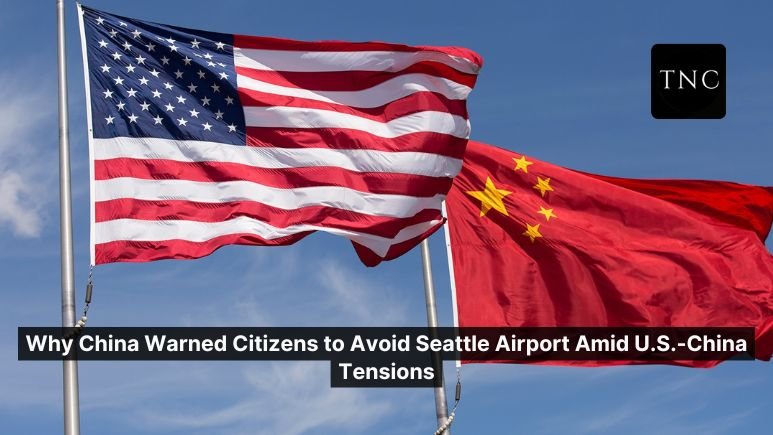
A recent report by Moneycontrol reveals that China has issued a formal warning to its citizens traveling to the United States, specifically advising them to avoid entry through Seattle-Tacoma International Airport. The advisory follows incidents where roughly 20 Chinese scholars despite holding valid visas were questioned extensively and denied entry by U.S. border officials.
This is not just about airport procedures. It reflects a deeper fracture in U.S.-China relations are one where students, researchers, and ordinary travelers are increasingly caught in the crosscurrents of national security concerns and geopolitical distrust.
Airports have always been spaces of scrutiny. But what’s changing is who gets scrutinized and why.
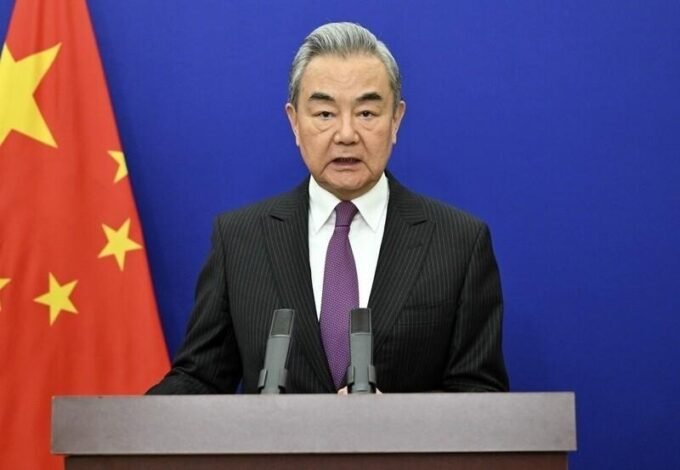
The Chinese foreign ministry describes the incidents as “repeated” and “unreasonable questioning,” framing them as targeted actions against academics. The U.S., while largely silent on these specific cases, has long emphasized stricter border enforcement, particularly in sensitive sectors like technology and research.
At the heart of this tension is intellectual security.
In recent years, Washington has grown increasingly wary of technology transfer, espionage risks, and academic collaborations that could blur into strategic vulnerabilities. Chinese scholars especially in STEM fields often find themselves under heightened scrutiny, not necessarily for what they’ve done, but for what they might represent.
This is not new. Similar warnings from Beijing in previous years pointed to device searches, interrogations, and even deportations of students with valid documentation. What’s different now is the escalation: a specific airport named, a pattern publicly alleged, and a formal advisory issued.
The consequences ripple far beyond individual travelers.
Academic exchange programs once seen as neutral bridges between nations are becoming contested terrain. Universities lose talent. Conferences lose voices. Research collaboration slows. And a generation of students begins to weigh opportunity against uncertainty.
There’s also a psychological cost.
When a visa no longer guarantees entry, travel becomes unpredictable. Preparation turns into precaution. Trust erodes not just between governments, but between institutions and individuals.
What happened in a quiet interrogation room in Seattle isn’t just a border control story. It’s a signal.
The world’s two largest powers are no longer just competing in trade or technology; they’re redefining who gets to cross their borders, and under what suspicion.For travelers, especially students and researchers, the message is simple and unsettling:
Your passport may open doors but geopolitics decides whether they stay open.









Leave a comment