

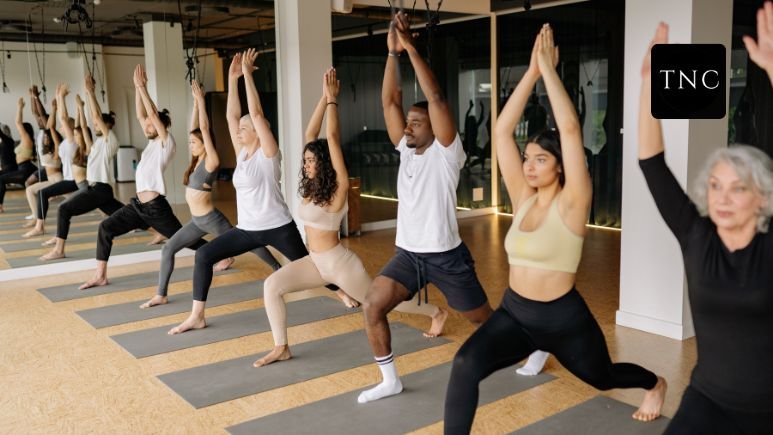

By 6:30 a.m., the city is already sweating. In a one-bedroom apartment, a man rolls out a yoga mat inches away from a whirring ceiling fan. The gym bag sits untouched near the door. Outside, the sun is climbing fast, turning roads into griddles. Inside, he drops into a set of squats, slow, controlled counting under his breath. No machines. No mirrors. Just body weight, rising heat, and the quiet negotiation between discipline and discomfort.
He pauses after 15 reps, wipes his face, and moves into push-ups. The rhythm builds: plank, jump, breathe. Twenty minutes later, he’s done. Not exhausted, just steady. And that, increasingly, is the point.
As temperatures surge, the traditional idea of fitness, long gym sessions, heavy equipment, hour-long routines is quietly collapsing. What’s replacing it is something simpler, more adaptable, and arguably more sustainable: short, home-based workouts designed to work with the heat, not against it.
Fitness experts now emphasize that consistency beats intensity in summer. Even 20–30 minutes of bodyweight training can maintain strength, stamina, and mobility without exposing the body to dangerous heat stress.
This shift isn’t just about convenience. It’s about survival of both habits and health.
Heat changes the rules.
When you exercise in high temperatures, your body is already under strain. Your heart works harder. Sweat drains fluids faster. Push too far, and the risk isn’t just fatigue it’s dehydration, dizziness, even heatstroke.
So the smartest fitness strategy in summer isn’t to push harder. It’s to adapt.
1. Shorter workouts, sharper results
The myth that you need an hour in the gym is fading. Experts now recommend compact sessions 20 to 30 minutes that focus on compound movements like squats, lunges, push-ups, and planks. These exercises engage multiple muscle groups, delivering efficiency without overexertion.
2. Timing is everything
Midday workouts are a trap. The window between 10 a.m. and 4 p.m. is when heat peaks, increasing the risk of exhaustion. Early mornings or late evenings aren’t just preferable, they’re protective.
3. Intensity takes a backseat
Summer isn’t the season for personal records. Swapping high-intensity routines for moderate, steady movement like yoga, walking, or light strength training keeps you active without overwhelming your system.
4. Hydration becomes strategy, not suggestion
Water isn’t optional, it’s performance fuel. The body loses more fluids in heat, and even mild dehydration can tank energy levels and recovery.
5. The gym is no longer the center
Perhaps the biggest shift is psychological. Fitness is no longer tied to a place. The body itself becomes the equipment. A mat, a corner, a fan that’s enough.
And for many, that realization is freeing.
Summer doesn’t demand that you stop working out, it demands that you get smarter about it. Skip the hour-long grind. Show up for 20 minutes. Move your body. Stay consistent.
Because in the heat, discipline isn’t about doing more.
It’s about doing just enough, every single day.
Also Read / Your Eyes Are Burning. Summer Is Why and Here Is What to Do.













Leave a comment