

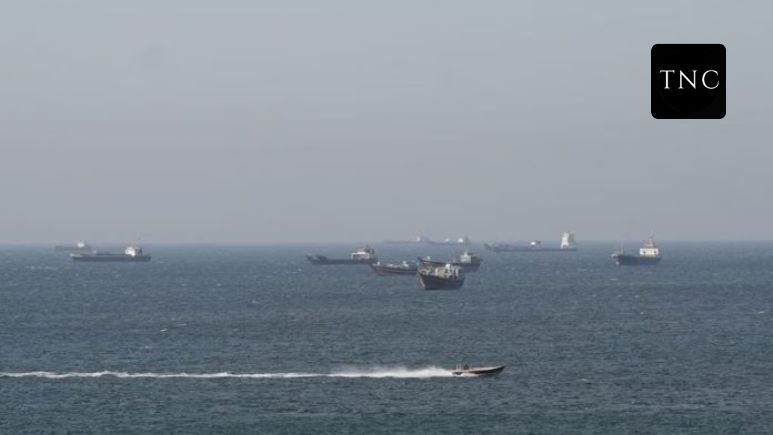

At 8:17 p.m., the lights flickered in a crowded apartment block in Islamabad and then vanished. A shopkeeper downstairs dragged a diesel generator into the alley, its metallic cough cutting through the humid night. Upstairs, a family fanned themselves in silence. The power cut wasn’t new. But this one felt different, longer, sharper, tied to something far beyond the city’s tangled wires. Somewhere, thousands of kilometers away, ships sat stranded at sea, and a narrow strip of water had quietly begun to choke a nation’s energy lifeline.
Pakistan’s decision to issue its first spot tender for liquefied natural gas (LNG) since 2023 is more than a routine procurement move; it’s a signal of a deepening global energy fracture. As tensions in the Middle East disrupt the Strait of Hormuz, one of the world’s most critical energy corridors, countries like Pakistan are being forced back into volatile spot markets to keep the lights on. The story is not just about fuel; it’s about vulnerability, geopolitics, and the fragile architecture of modern energy dependence.
The crisis begins at sea. The Strait of Hormuz through which roughly 20% of global LNG flows once passed has been severely disrupted amid conflict involving Iran and Western powers. That disruption has effectively throttled exports from key suppliers like Qatar, Pakistan’s primary LNG source.
The consequences have been immediate and brutal. Pakistan has received no LNG cargoes loaded after late February, leaving power plants starved of fuel just as summer demand spikes. Electricity generation from LNG has collapsed, contributing to outages lasting up to seven hours a day.
So Islamabad turned to the spot market fast, flexible, and painfully expensive. Pakistan LNG Limited has now sought bids for three cargoes, each around 140,000 cubic meters, for delivery within weeks. The urgency is clear: avoid even costlier fallback options like diesel and furnace oil, which are already being deployed as emergency substitutes.
But this move comes at a price. Spot LNG rates have surged, climbing more than 50% since February, with prices hovering around $16 per mmBtu and occasionally spiking far higher. For a price-sensitive economy like Pakistan, this is not just a procurement issue it’s a fiscal strain.
The deeper problem is structural. Just months ago, Pakistan was grappling with an LNG surplus, driven by long-term contracts and rising solar adoption. Now, the pendulum has swung violently in the opposite direction. The same system designed for stability has proven brittle under geopolitical shock.
Across Asia, the ripple effects are visible. China has cut LNG imports, Bangladesh is scrambling for diversified supplies, and analysts warn that prolonged disruption could permanently alter energy demand patterns pushing countries toward coal, renewables, or alternative suppliers.
In short, the LNG market is no longer just about supply and demand. It’s about chokepoints, conflict, and contingency planning.
Pakistan’s LNG tender is not just a purchase, it’s a distress signal from an energy system under stress. When a single maritime corridor can darken cities thousands of miles away, the lesson is clear: energy security is no longer about contracts or reserves. It’s about resilience in a world where geopolitics can flip the switch overnight.
Also Read / JD Vance in Islamabad: The Most Consequential U.S.-Iran Gamble Since 1979.











Leave a comment