


The elevator doors opened onto a glass-walled penthouse overlooking Central Park. A real estate broker, phone pressed tightly to his ear, stared out at a skyline that has long symbolized ambition itself.
“Clients are asking if they should sell,” he said, pacing. “They’re not waiting to find out.”
Down below, yellow cabs crawled through traffic, and construction cranes dotted the horizon signs of a city always in motion. But inside Manhattan’s high-end property circles, something had shifted. A proposed tax targeting multimillion-dollar second homes had injected uncertainty into one of the world’s most expensive real estate markets.
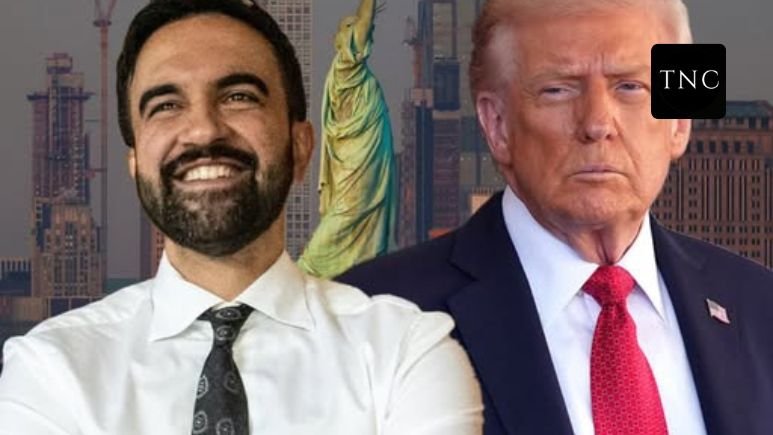
At the center of the storm is New York City Mayor Zohran Mamdani’s plan to tax second homes valued above $5 million part of a broader push to make the wealthy contribute more toward public services. The proposal, backed by state leadership, aims to raise roughly $500 million annually for housing, childcare, and infrastructure.
But the plan has ignited a fierce political clash. Former U.S. President Donald Trump has condemned it as economically destructive, warning it could push wealth and investment out of New York.
What’s unfolding is more than a policy dispute. It’s a high-stakes debate over how cities survive and who pays for it.
Mamdani’s argument is straightforward: New York is increasingly unaffordable, and the ultra-wealthy, especially those who treat luxury apartments as occasional residences, should shoulder more of the burden. His administration frames the tax as a fairness measure, targeting properties that often sit empty while the city struggles with housing shortages and rising living costs.
Supporters say the math is compelling. A relatively small group roughly 12,000 to 15,000 high-value properties could generate hundreds of millions in revenue without directly impacting most residents.
Critics, however, see a different equation. Business leaders and investors warn that even narrowly targeted taxes can ripple outward. If wealthy homeowners decide to relocate or simply stop buying property values could soften, investment could slow, and tax revenues could ultimately decline.
Trump’s criticism taps into this fear. His argument isn’t just political; it reflects a long-standing economic tension in global cities. Raise taxes too high, critics say, and capital becomes mobile it leaves.
Yet evidence on that point remains contested. Some experts argue that New York’s unique appeal, its cultural gravity, financial ecosystem, and global status makes it resilient. Wealthy individuals may grumble, but they rarely abandon Manhattan entirely.
The deeper issue is structural. New York faces a growing budget gap and widening inequality. Mamdani’s broader agenda including multiple tax proposals and spending initiatives signals a shift toward aggressive redistribution.
That shift is polarizing. To supporters, it’s overdue correction. To opponents, it’s a gamble with the city’s economic engine.
New York has always thrived on a delicate balance: attracting wealth while managing inequality. Mamdani’s tax plan tilts that balance in a new direction, one that asks more from those at the top.
Whether that strengthens the city or strains it will depend on a simple, unresolved question:
How much pressure can the world’s richest city put on its richest residents before they decide to leave?










Leave a comment