

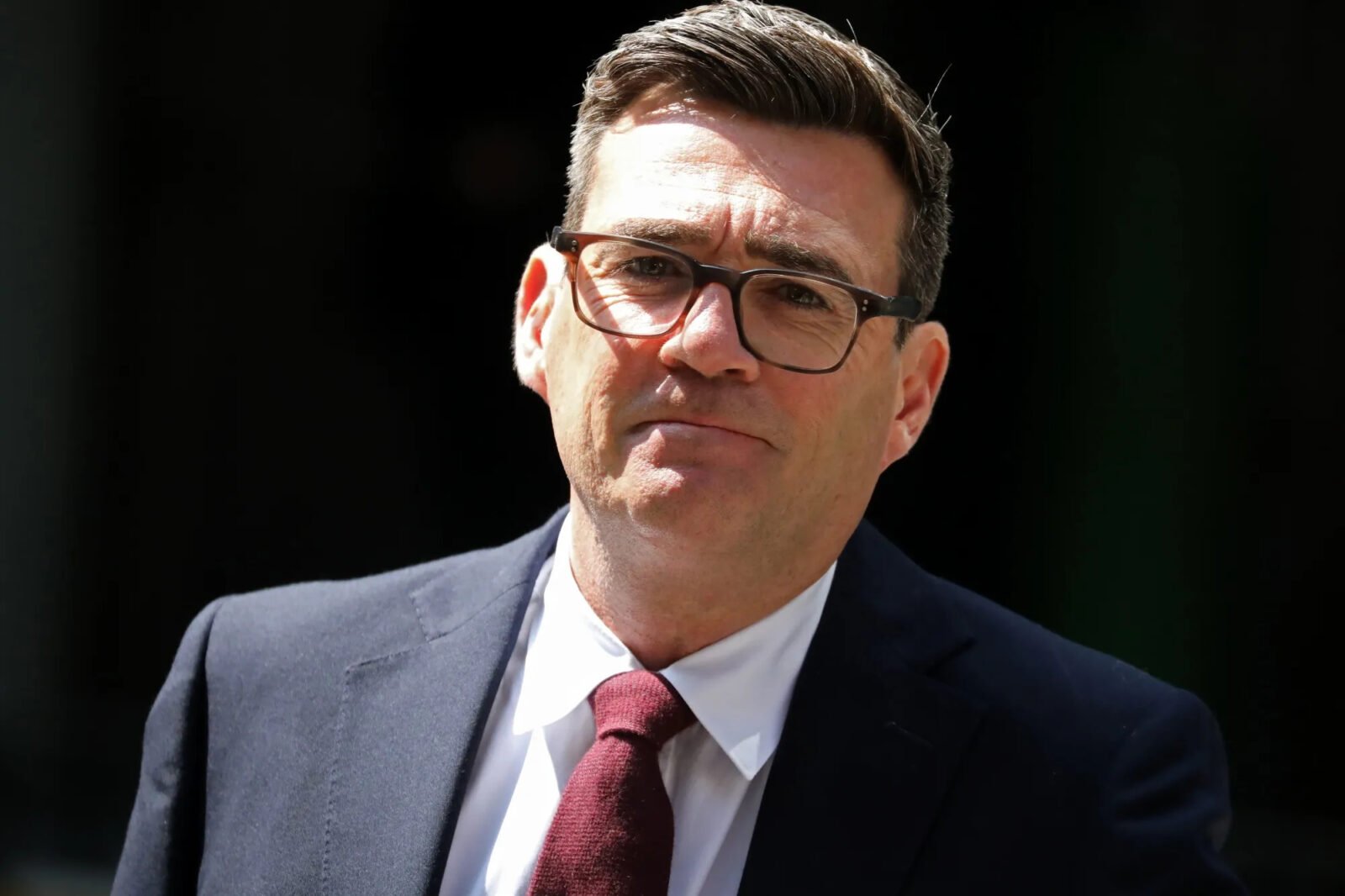

London, United Kingdom: Andy Burnham has officially become the Prime Minister of the United Kingdom, marking a significant change in British politics. Burnham took office after being elected leader of the governing Labour Party and was formally invited by King Charles III to form a new government. He succeeds Keir Starmer, who resigned following growing political pressure within the party.Burnham’s appointment makes him Britain’s seventh prime minister in a decade, highlighting a period of frequent leadership changes in UK politics. In his first speech as Prime Minister, he pledged to “rewire Britain,” promising to improve public services, tackle the cost-of-living crisis, and restore trust in government.
A New Chapter for the United Kingdom
The leadership transition follows a special Labour Party conference where Burnham was confirmed as the party’s new leader without opposition. After meeting King Charles III at Buckingham Palace, he officially accepted the role of Prime Minister and began the process of forming a new Cabinet.
The constitutional process was completed peacefully, reflecting the UK’s long-standing democratic traditions. Burnham’s first day in office included meetings with senior government officials and preparations for announcing key ministerial appointments.
Who Is Andy Burnham?
Andy Burnham is one of Britain’s best-known Labour politicians. Before becoming Prime Minister, he served as:
- Mayor of Greater Manchester
- Member of Parliament (MP)
- Former Cabinet Minister
- Labour Party Leader
During his time as Mayor of Greater Manchester, Burnham became known for campaigning on public transport, healthcare, regional investment, and greater local decision-making. His supporters believe that experience has prepared him to lead the country during a challenging period.
Burnham’s Priorities as Prime Minister
In his first address, Burnham outlined several priorities for his new government. These include:
- Reducing the cost-of-living burden on families
- Improving the National Health Service (NHS)
- Strengthening public services
- Supporting economic growth
- Expanding opportunities outside London
- Restoring confidence in politics
He said the government must focus on issues that affect everyday life and work to deliver practical improvements for people across the UK.
Economic Challenges Ahead
Burnham takes office at a time when Britain faces several economic pressures.
Among the biggest challenges are:
- Inflation affecting household budgets
- Slower economic growth
- Pressure on public finances
- Demand for investment in infrastructure
- Ongoing housing affordability concerns
Financial markets reacted cautiously but positively to Burnham’s appointment. Investors are closely watching his choice of Chancellor and future economic policies, with particular attention on maintaining fiscal discipline.
Cabinet Formation Begins
One of Burnham’s first responsibilities is appointing members of his Cabinet.
Political observers expect several experienced Labour politicians to receive senior government positions. Early reports suggest that economic credibility and administrative experience will be key factors in Cabinet appointments.
The new Cabinet is expected to begin work immediately on the government’s legislative and economic agenda.
Foreign Policy and International Relations
The new Prime Minister has indicated that Britain will continue supporting its international partnerships while maintaining its commitments to allies.
Analysts expect Burnham’s government to focus on:
- Continued support for Ukraine
- Strong cooperation with NATO allies
- Stable relations with the United States
- Engagement with European partners
- Expanding international trade opportunities
Foreign policy details are expected to become clearer once the new government is fully established.
Political Reactions
Burnham’s appointment has generated reactions across the political spectrum.
Labour supporters welcomed the leadership change, expressing hope that the new Prime Minister can restore confidence and improve the party’s public standing.
Opposition parties congratulated Burnham while emphasizing that they would closely scrutinize the government’s performance on the economy, healthcare, taxation, and public services.
Political experts believe the coming months will be crucial in determining whether Burnham can translate his promises into measurable results.
What Happens Next?
Parliament is expected to resume with the new government presenting its legislative priorities.
The first major announcements are likely to include:
- Cabinet appointments
- Economic policy updates
- Public service reforms
- Infrastructure investment plans
- Healthcare initiatives
The government’s first Budget and spending plans will also be closely watched by businesses, investors, and international partners.
Conclusion
Andy Burnham’s appointment as Prime Minister marks the beginning of a new phase in British politics. Taking office during a period of economic uncertainty and political change, he has promised to “rewire Britain” by improving public services, supporting economic growth, and rebuilding trust in government.
Whether his administration can achieve these ambitions will depend on its ability to address the UK’s pressing economic and social challenges while maintaining political stability. As Burnham forms his Cabinet and begins implementing his agenda, both the British public and international observers will be watching closely to see how his leadership shapes the country’s future.














Leave a comment