

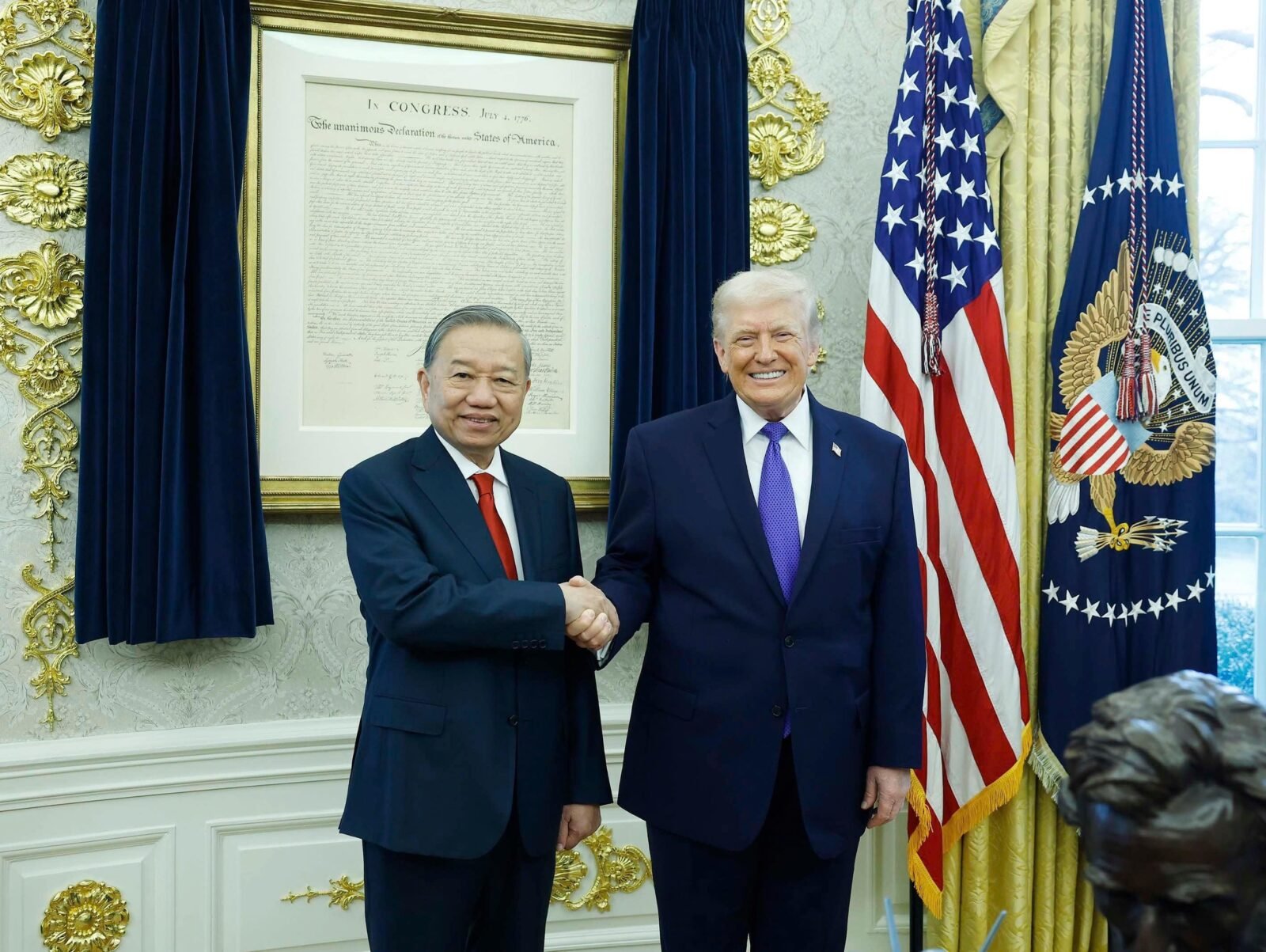

New York/Hanoi: Vietnam says it is “very close” to reaching a trade agreement with the United States, after months of negotiations over tariffs, market access and the large trade imbalance between the two countries. Vietnamese leader To Lam made the statement after meeting U.S. Trade Representative Jamieson Greer in New York during the week of the United Nations General Assembly.
The comments suggest that negotiations may be approaching an important stage, although a final agreement has not yet been signed. Greer said negotiators from both countries had made substantial progress and were close to a final outcome.
For Vietnam, the agreement is important because the United States is its largest export market. For Washington, the talks are part of a broader effort to reduce trade imbalances, improve market access for American businesses and address concerns about supply chains and Chinese goods entering U.S. markets through Vietnam.
Vietnam Wants a Stable Long-Term Trade Framework
To Lam told Greer that Vietnam wants a comprehensive agreement that creates a stable and long-term framework for trade and investment between the two countries.
Vietnam has also been working to increase purchases of American products in an effort to narrow its trade surplus with the United States. The Vietnamese government says it wants to expand imports of U.S. goods that support its industrial development.
To Lam has specifically highlighted potential purchases of American aircraft, nuclear-power technology, roads and railway infrastructure, according to a recent interview reported by the Straits Times. Such purchases could help Vietnam increase imports from the United States while supporting its own infrastructure and industrial goals.
Why the Trade Deficit Is Important
The trade imbalance is one of the central issues behind the negotiations.
U.S. data show that American goods imports from Vietnam reached about $193.9 billion in 2025, while U.S. goods exports to Vietnam were around $15.6 billion. That produced a U.S. goods trade deficit of roughly $178.3 billion with Vietnam. Total U.S. goods and services trade with Vietnam was about $215.4 billion last year.
The size of that deficit has increased pressure on Hanoi to provide greater access to its market for U.S. products.
Vietnam has responded by proposing more purchases of U.S. goods and by offering changes in tariff and regulatory policies as part of the wider trade negotiations.
Existing Framework Already Sets Out Key Terms
The current talks are not starting from zero.
In October 2025, the United States and Vietnam announced a Framework for an Agreement on Reciprocal, Fair and Balanced Trade. Under that framework, Vietnam agreed to provide preferential access for U.S. exports, including food and agricultural products, and to address a range of non-tariff barriers. The framework also envisioned the United States maintaining a 20% reciprocal tariff rate on imports from Vietnam, with some products potentially receiving a zero-percent reciprocal tariff rate.
However, the framework still needed to be converted into a finalized agreement. The U.S. Trade Representative’s 2026 report says Washington and Hanoi were continuing negotiations on issues including digital trade, services, investment, intellectual property, labour, environment, customs and state-owned enterprises.
That explains why the latest statements are significant: the two governments appear to be trying to turn the earlier framework into a completed trade arrangement.
Chinese Transshipment Remains a Major Issue
One of the most difficult issues is Vietnam’s role in regional supply chains involving China.
U.S. officials have raised concerns that Chinese goods could be sent through Vietnam, receive additional processing or be relabelled there, and then enter the U.S. market as Vietnamese products. Washington has therefore pushed Vietnam to strengthen rules of origin, customs enforcement and controls on Chinese inputs.
Vietnam has rejected accusations that it accepts such transshipment. To Lam said Vietnam wants products exported from the country to be genuinely manufactured there and to meet international standards.
The issue is important because Vietnam has become a major manufacturing hub for electronics, textiles, footwear, machinery and other products as companies diversify supply chains in Asia.
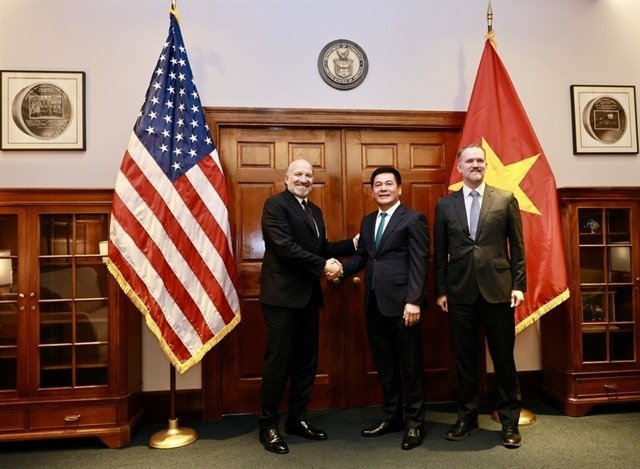
Vietnam Makes Changes to Ease U.S. Concerns
Vietnam has taken several steps while negotiations continue.
According to the Straits Times report, Hanoi has introduced a new law prohibiting goods produced with forced labour, tightened customs procedures and increased enforcement against online piracy and intellectual-property violations. The United States has been monitoring these areas as part of its broader trade investigations.
The United States has also been conducting several investigations involving Vietnam, including Section 301 investigations related to forced labour, manufacturing capacity and intellectual-property issues. Vietnam currently faces a proposed additional levy connected to one of the investigations, according to the report.
These investigations add urgency to the trade negotiations because higher U.S. duties could affect Vietnamese exporters.
Major Business Deals Could Support the Talks
Vietnam has also been encouraging new commercial relationships with U.S. companies.
Reuters reported that 29 potential agreements could be announced in New York around To Lam’s visit. The proposed deals cover energy, aviation, technology and financial services.
Companies mentioned in the plans include Chevron, ExxonMobil, Murphy Oil, SpaceX, Qualcomm, Visa, Mastercard and Citibank. Some of the agreements are expected to be non-binding memoranda rather than final commercial contracts.
Vietnam’s largest private airline, Vietjet, is also expected to announce aircraft leasing arrangements and a planned Starlink satellite-internet agreement involving 120 aircraft.
These business announcements could strengthen economic ties at a time when trade negotiations are still being completed.
What the Agreement Could Mean for Vietnam
For Vietnam, a finalized deal could provide greater certainty for exporters and manufacturers selling into the U.S. market.
The country has become an important part of global manufacturing supply chains, particularly as companies look for alternatives to production concentrated in China. A stable tariff arrangement with Washington could make it easier for businesses to plan investment, sourcing and production.
However, Vietnam may also have to accept stronger customs rules and wider market access for American products as part of the agreement.
What It Could Mean for the United States
For the United States, the agreement could provide greater access to Vietnam’s growing market while addressing concerns about the trade deficit.
American aircraft companies, energy firms, technology businesses and financial companies could benefit from increased Vietnamese purchases and investment.
Washington is also seeking assurances that Vietnamese exports entering the United States are genuinely produced in Vietnam rather than being routed from other countries.
What Happens Next?
Vietnamese officials now say the negotiations are near completion, but important details still need to be settled.
The exact tariff structure, treatment of sensitive goods, rules of origin, customs enforcement and non-tariff barriers will determine the final shape of the agreement.
For now, the latest statements from both sides indicate that Vietnam US trade agreement negotiations have made substantial progress, but the deal should not be described as final until the governments formally sign and implement it.
The coming days could therefore be important for Vietnam’s exporters, U.S. businesses and global manufacturers watching Southeast Asia. A completed agreement would give businesses greater clarity, while failure to resolve the remaining disputes could leave Vietnam exposed to additional tariff and trade-policy uncertainty.
Also Read | Lithuania Plans Drone Defenses Near Russia to Protect Critical Power Infrastructure










Leave a comment