

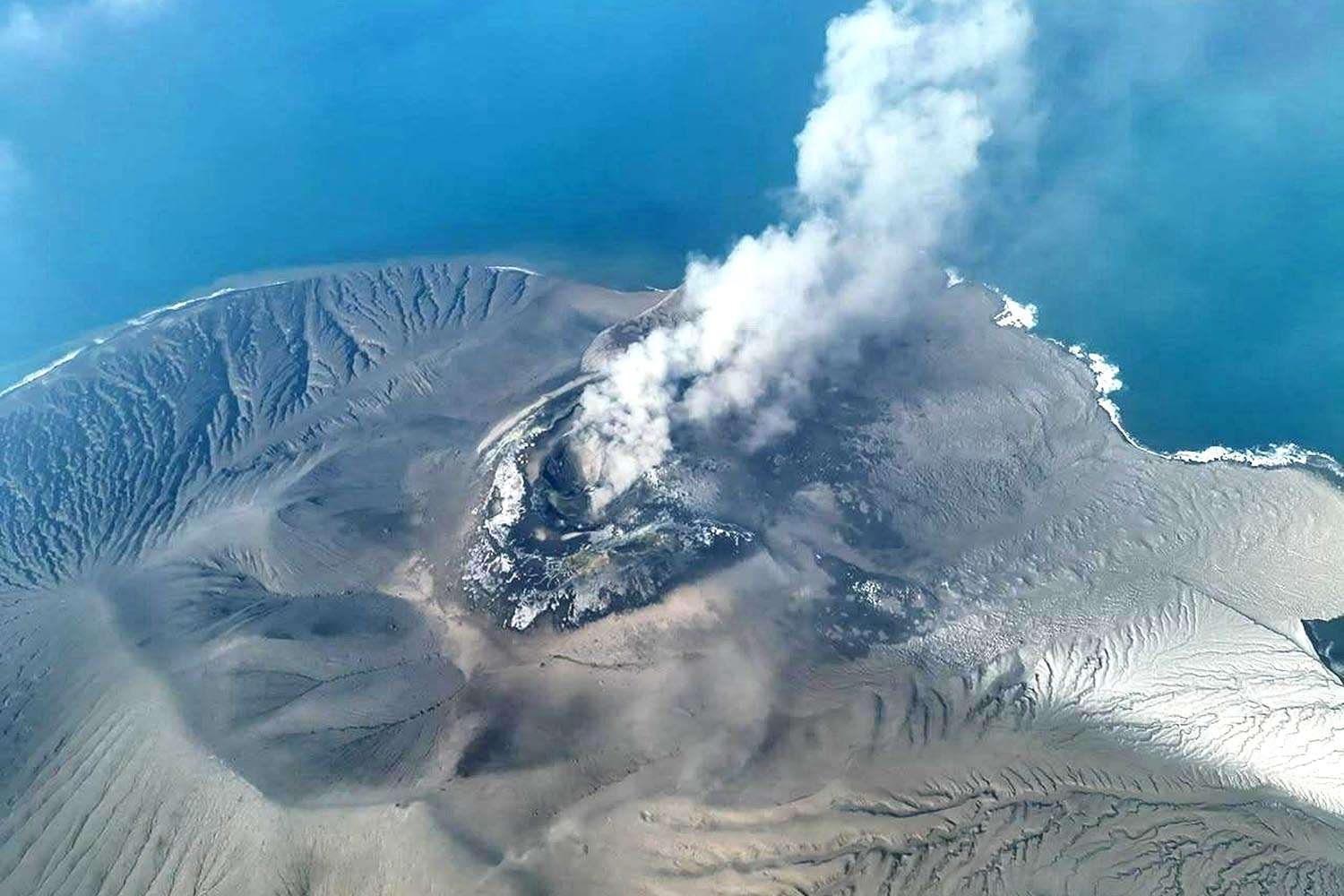

Anak Krakatau disrupts Indonesia flights
The Anak Krakatau eruption has disrupted Indonesia flights, closing eight airports and leaving about 170,000 passengers stranded across the country. Authorities halted operations after volcanic ash spread through key air routes in western Indonesia.
The eruption affected Jakarta’s Soekarno-Hatta International Airport, the country’s busiest aviation hub. Authorities also suspended flights at several domestic airports because volcanic ash can damage aircraft engines and reduce visibility.
By Sunday evening, 1,558 flights had been cancelled or delayed across the eight affected airports. Around 963 of those flights were linked to Soekarno-Hatta Airport, according to Indonesia’s Transport Ministry.
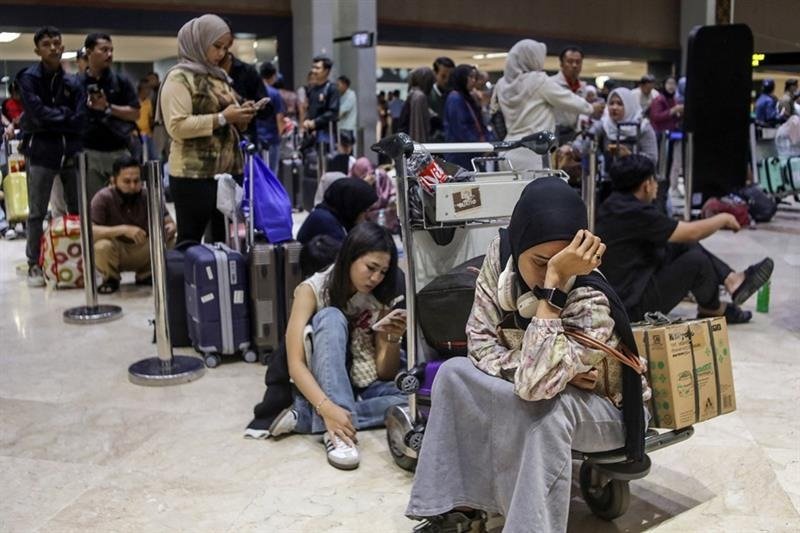
The disruption created long queues at terminals as passengers waited for updates. Airlines were asked to monitor ash conditions before restarting services.
Airports shut over volcanic ash
Indonesia closed eight airports after ash from Anak Krakatau moved across western parts of the archipelago. The airport closures were introduced as a safety measure, not because of damage to airport buildings.
The affected facilities included Soekarno-Hatta International Airport in Tangerang and Halim Perdanakusuma Airport in Jakarta. Airports in Lampung, Bandung, Tangerang and South Sumatra were also affected.
Officials initially said the closures would continue until 8:59 a.m. on Monday. However, authorities extended the suspension for several airports as volcanic ash continued to affect the region.
Seven airports remained temporarily closed on Monday morning. Atung Bungsu Airport in Pagar Alam later resumed normal operations after safety checks, while officials continued to assess conditions at the other facilities.
Airport managers are working with aviation authorities, weather agencies and airlines to decide when flights can restart. These decisions depend on the movement, altitude and density of ash clouds.
Why volcanic ash grounds aircraft
Volcanic ash poses a serious risk to aircraft. It contains tiny particles of rock, glass and minerals that can be drawn into jet engines during flight.
When ash enters an engine, high temperatures can melt the particles. The melted material may then stick to important internal parts and cause engine power loss or failure.
Ash can also affect cockpit windows, navigation equipment and air-quality systems. For this reason, airlines avoid flying through ash clouds even when visibility from the ground appears manageable.
Indonesia’s aviation authorities acted quickly because the ash plume was moving across flight paths used by domestic and international services. Flights were suspended until the airspace could be judged safe.
The Transport Ministry said safety remained the first priority. Airlines will not be permitted to resume operations until technical assessments confirm that the risk has reduced.
Jakarta airport sees biggest impact
Soekarno-Hatta International Airport faced the greatest disruption. The airport serves Jakarta and handles a large share of Indonesia’s international and domestic air traffic.
Hundreds of flights were cancelled at the airport, affecting travellers going to other Indonesian cities and overseas destinations. The closure also affected airline schedules, cargo operations and crew rotations.
Passengers were advised to contact their airlines before travelling to the airport. Airlines were expected to provide information about cancellations, rebooking options and changes in departure times.
The disruption was particularly difficult for people with connecting flights, medical travel, business meetings and family commitments. Hotels near airports also received a higher number of last-minute bookings.
Officials said they were working to manage passenger welfare. Airport operators opened waiting areas and coordinated with airlines as stranded travellers sought updates.
Flight impact grows on Monday
The scale of disruption increased as the ash cloud continued to affect flight operations. By Monday, reports said roughly 2,300 flights had been affected and about 270,000 passengers had faced disruption.
The original estimate of 170,000 stranded passengers reflected the first major round of airport closures. The higher number includes additional cancellations and delays as the situation continued.
Airlines may need several days to restore normal schedules even after airports reopen. Aircraft and crew may be positioned in the wrong cities, while passengers who missed earlier flights must be accommodated on later services.
International routes can face extra delays because airlines may need to change flight paths or wait for airspace restrictions to end. Travellers with onward connections should check visa requirements and airline rules before changing plans.
Schools and fishing affected
The Anak Krakatau eruption also disrupted daily life near the volcano. Some school activities were halted as authorities monitored ashfall and other volcanic hazards.
Fishing was also affected in parts of the Sunda Strait. Officials advised local communities to remain alert and follow instructions from disaster-management agencies.
Anak Krakatau, meaning “Child of Krakatau,” is located in the Sunda Strait between the islands of Java and Sumatra. It formed after the historic 1883 eruption of Krakatau, one of the most destructive volcanic events in recorded history.
The volcano remains active and is closely monitored by Indonesian geological agencies. Authorities issue alerts based on seismic activity, ash emissions, lava flows and changes around the volcanic island.
Passenger advice during disruption
Passengers affected by the Anak Krakatau eruption should take several basic steps:
- Check flight status directly with the airline before leaving for the airport.
- Keep boarding passes, booking references and receipts for food, hotel stays and transport.
- Ask airlines about rebooking, refunds or alternate routes.
- Avoid relying only on social-media updates, as airport conditions can change quickly.
- Follow official advice on ashfall, road travel and local safety restrictions.
Travellers should also allow additional time after services restart. Airport operations may resume gradually, and airlines may prioritise aircraft positioning and long-delayed flights.
Situation remains under review
The Anak Krakatau eruption has caused one of Indonesia’s largest recent aviation disruptions. The closure of eight airports and the initial impact on 170,000 passengers showed how quickly volcanic ash can affect a country with heavy domestic air travel.
Authorities are continuing to monitor the volcano and assess ash movement. The decision to reopen each airport will depend on updated scientific and aviation safety data.
For now, airlines, airports and emergency agencies are focused on passenger safety and the gradual restoration of services. The situation remains fluid, and the total number of flights and travellers affected may rise as Indonesia reviews the impact of the eruption.
Also Read | Amazon Cargo Plane Crash in Miami: Five Killed, Five Injured












Leave a comment