

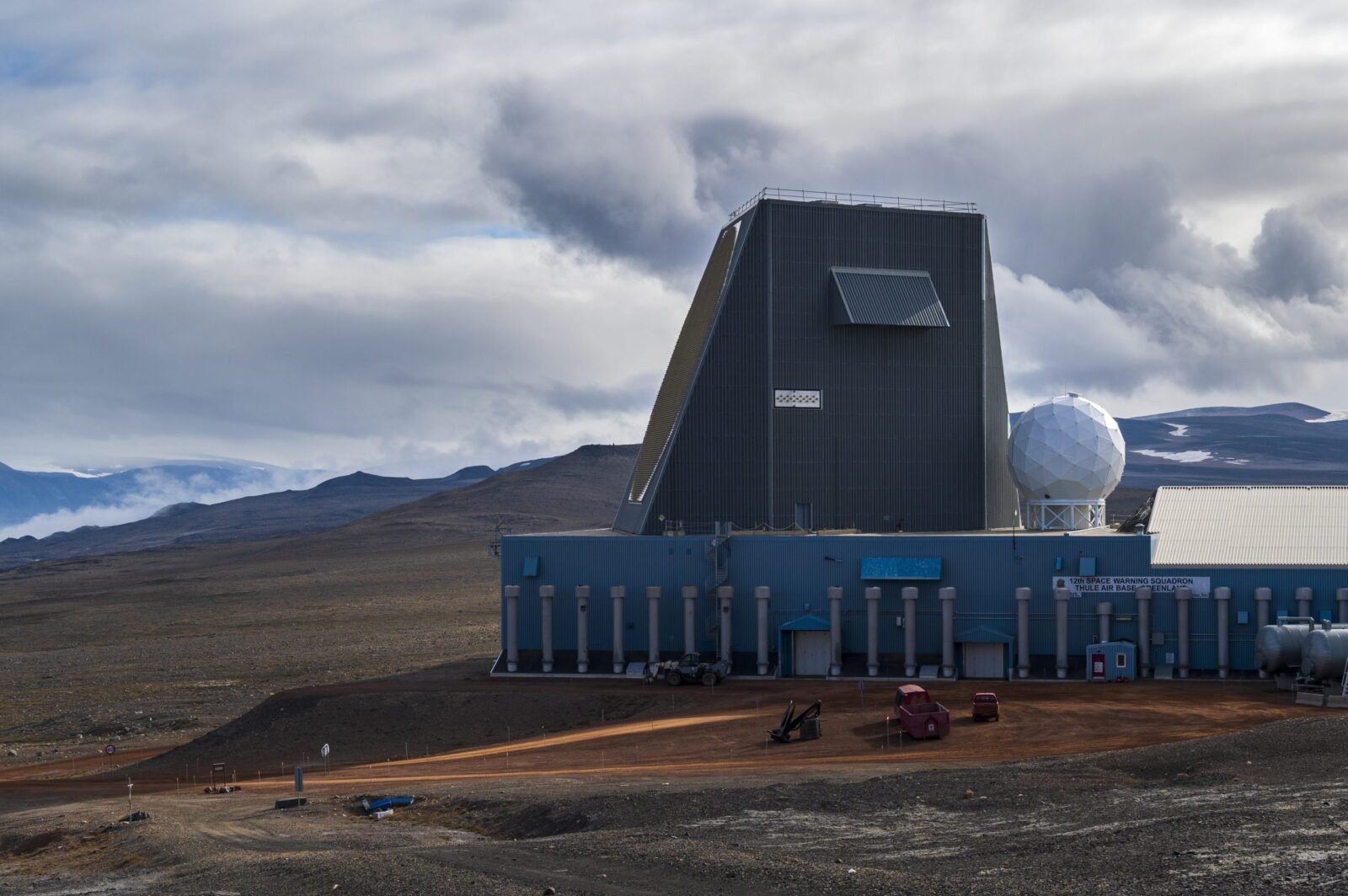

Washington/Copenhagen: The United States is preparing to expand its military presence in Greenland under a new security agreement with Denmark and Greenland that is expected to be signed at the United Nations General Assembly in New York on September 22, 2026. The plan would add two military sites to the existing U.S. installation at Pituffik Space Base, marking the biggest expansion of the American military footprint on the island since the Cold War.
The proposed agreement comes after months of diplomatic tension over Greenland’s strategic position in the Arctic. U.S. President Donald Trump had repeatedly argued that Greenland was important to American security, while Danish and Greenlandic leaders have stressed that the island remains under Danish sovereignty and that Greenlanders retain the right to self-determination.
Two Additional Military Sites Planned
According to Reuters, the United States plans to re-establish a Cold War-era military base at Narsarsuaq in southern Greenland and establish another military site at Mestersvig on the east coast. Mestersvig is currently used by Denmark’s Sirius Dog Sled Patrol, an elite Danish special-forces unit.
The two locations would operate alongside the existing Pituffik Space Base in northwestern Greenland.
The precise details of the planned facilities have not yet been publicly released. Reuters reported that the text of the agreement remains unpublished ahead of the signing, and officials familiar with the negotiations said some details would only be finalised when the agreement is formally signed.
Greenland Is Strategically Important
Greenland occupies a highly strategic position between North America and the Arctic. Its location gives it importance for missile warning, space surveillance, air operations and monitoring activity across the North Atlantic and Arctic regions.
The island is also rich in natural resources and is becoming more important as Arctic sea ice declines and access to northern shipping routes and mineral resources increases. Reuters described Greenland as strategically located and resource-rich, making it an increasingly important part of Arctic security planning.
For Washington, a larger military presence could provide additional infrastructure for monitoring the region and responding to potential security developments.
Existing U.S. Presence at Pituffik
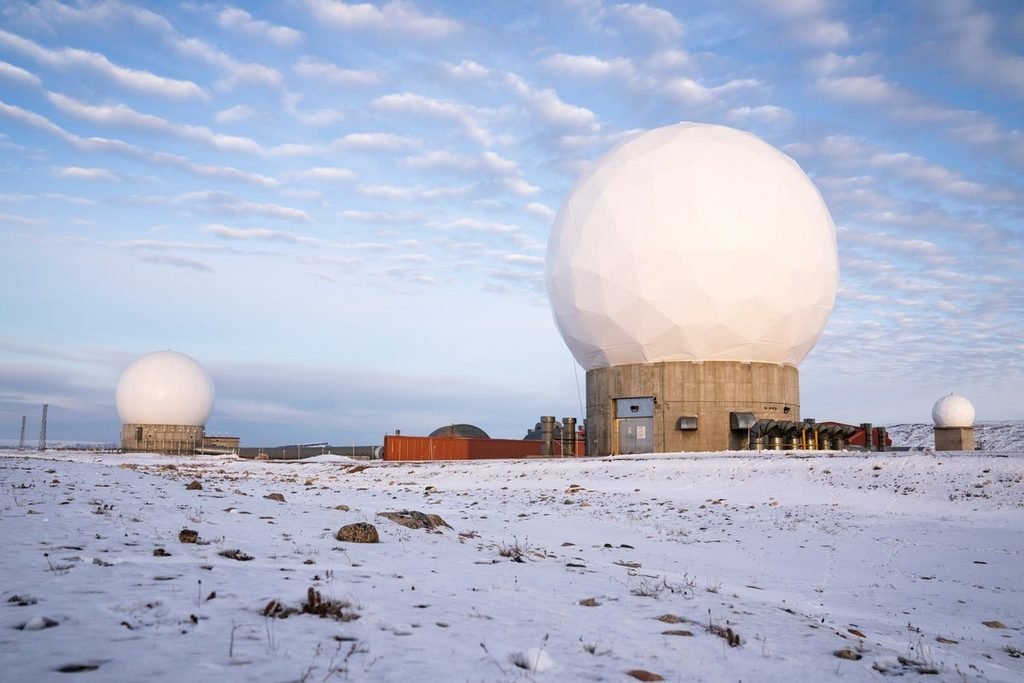
The United States already maintains a military installation in Greenland at Pituffik Space Base, formerly known as Thule Air Base.
The base supports U.S. and NATO-related missions involving missile warning, missile defence and space surveillance. Reuters reported that only about 150 U.S. military personnel are currently stationed there, compared with a much larger American presence during the Cold War.
During the Cold War, the United States operated 17 military installations in Greenland and had more than 10,000 personnel on the island. The planned sites at Narsarsuaq and Mestersvig would therefore represent a major change from the current much smaller U.S. footprint.
NATO’s Role Is Central
Denmark has emphasized that Arctic security under the new arrangement should be viewed through the NATO alliance, rather than as a matter controlled only by Washington and Copenhagen.
Danish Foreign Minister Lars Løkke Rasmussen said the agreement would place Arctic security under NATO’s collective watch. Danish Prime Minister Mette Frederiksen has also said the agreement strengthens security in the Arctic and North Atlantic while recognising the sovereignty and territorial integrity of the Kingdom of Denmark.
Greenland’s Prime Minister Jens-Frederik Nielsen similarly said the agreement recognises Greenland’s interests and its position in international cooperation.
These statements are significant because earlier U.S. proposals concerning Greenland had caused tension among NATO allies.
Sovereignty Remains a Key Issue
The planned military expansion does not mean that Greenland is becoming part of the United States.
Greenland is a self-governing territory within the Kingdom of Denmark. Its government controls many domestic matters, while Denmark remains responsible for areas including defence and foreign policy.
Denmark and Greenland have repeatedly said that any security agreement must respect the kingdom’s sovereignty and Greenland’s right to self-determination. The Danish government’s official statement says the proposed agreement recognises both principles.
The distinction became especially important after Trump previously expressed interest in acquiring Greenland. The new agreement represents a different approach, focusing on expanded defence cooperation rather than a transfer of sovereignty.
Agreement Follows Months of Tension
The proposed deal follows months of disagreement after Trump repeatedly highlighted the strategic importance of Greenland and declined to rule out stronger measures to secure U.S. interests there.
Those comments caused concern in Denmark and Greenland and created tensions within NATO. Negotiations eventually began between the United States, Denmark and Greenland to develop a security arrangement that could increase U.S. defence activity without changing Greenland’s political status.
The planned agreement is therefore being presented by the three parties as a way to strengthen Arctic security while reducing the political dispute surrounding Washington’s Greenland policy.
Concerns About Russia and China
Arctic security has become more important because of growing competition among major powers.
The United States and its NATO allies are closely watching Russia’s military activity in the Arctic, while China’s growing economic and strategic interest in the region has also attracted attention.
Reuters reported that the new arrangement is intended to strengthen security for Greenland, the United States and the wider Western alliance. Trump has also linked the expansion to concerns about rival powers gaining influence on the island.
However, the exact restrictions on foreign investment or military activity under the agreement have not yet been fully disclosed.
Parliamentary Approval Still Required
Even after the expected signing, the agreement will not immediately become fully operational.
The Danish government has stated that the agreement will be subject to the necessary national parliamentary procedures before entering into force.
That means Denmark and Greenland will still have formal legal and political processes to complete after the signing ceremony.
The final text will be particularly important because it will clarify the scope of U.S. military rights, the status of the proposed sites and the responsibilities of each government.
Why the Move Matters
The planned expansion represents a major change in the American military position in Greenland.
For the United States, additional facilities could improve Arctic surveillance and military logistics. For Denmark and Greenland, the agreement could increase NATO-related security cooperation while keeping Greenland under Danish sovereignty.
The move also reflects a broader trend in European and Arctic defence planning. Denmark has separately increased its own military presence and training activity in and around Greenland in cooperation with NATO allies.
As Arctic competition grows, military infrastructure is increasingly being treated as part of wider energy, transport and national-security planning.
What Happens Next?
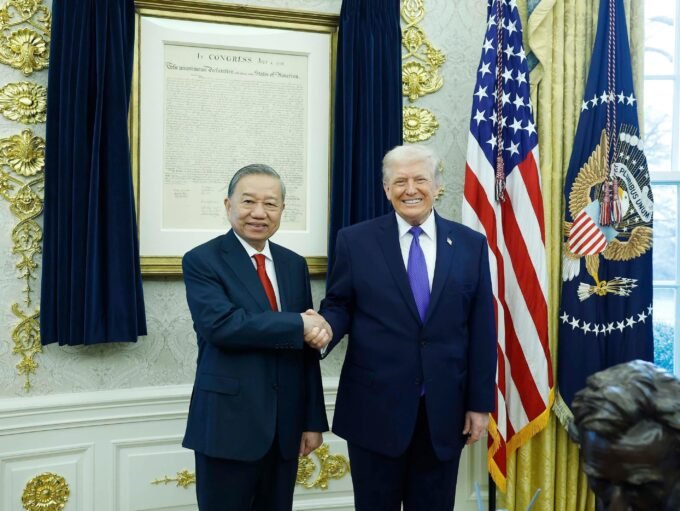
President Trump is expected to meet Danish Prime Minister Mette Frederiksen and Greenlandic Prime Minister Jens-Frederik Nielsen at the UN General Assembly in New York for the planned signing ceremony.
The most important next step will be publication of the agreement’s full terms. Until then, details about the size of the future U.S. military presence, the precise functions of Narsarsuaq and Mestersvig, and the legal framework governing the sites remain incomplete.
For now, the planned expansion signals a major strengthening of the US military presence in Greenland while Denmark and Greenland insist that the arrangement preserves sovereignty and self-determination. The final agreement and subsequent parliamentary procedures will determine how the new Arctic security structure actually takes shape.
Also Read | Germany Election Shock: What the Regional Results Mean for Chancellor Merz








Leave a comment