

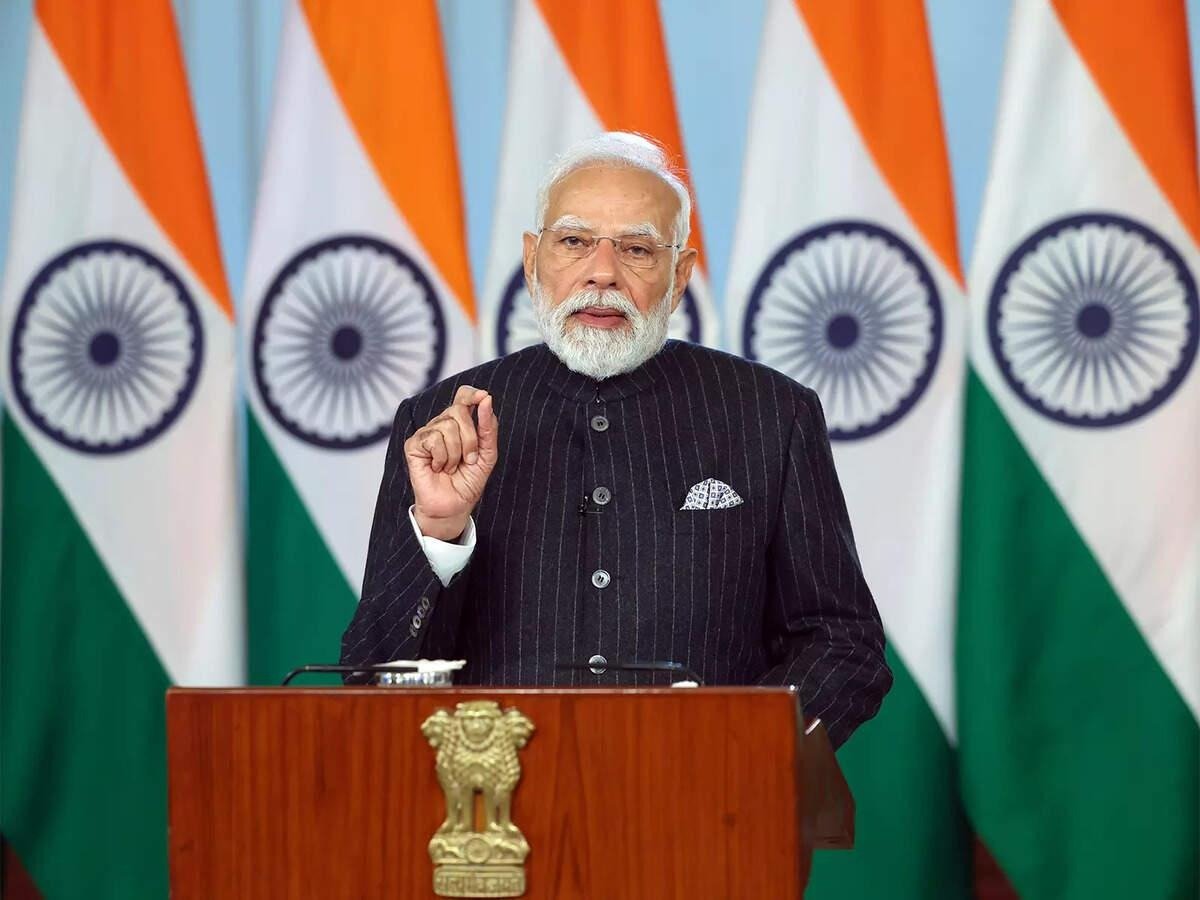

New Delhi: Prime Minister Narendra Modi has announced that the Central Government will establish fast-track courts to handle cases related to examination paper leaks and cheating. The decision comes amid growing nationwide concern over repeated exam-related scandals and ongoing student protests demanding stronger action against those responsible for compromising competitive examinations.
The Prime Minister said the government’s priority is to protect the future of India’s youth by ensuring that people involved in paper leak cases face speedy trials and strict punishment. He also directed the concerned departments to begin the necessary process for setting up these special courts as quickly as possible.
Government Promises Faster Justice
In a statement shared on social media, PM Modi emphasized that nothing is more important than the welfare and future of young people. He said fast-track courts would help reduce delays in legal proceedings and ensure that offenders cannot escape punishment because of lengthy judicial processes.
The announcement is part of a broader series of measures introduced by the government following. allegations of paper leaks in major competitive examinations. Officials believe quicker court proceedings will strengthen confidence in India’s examination system and discourage future misconduct.
Background: Exam Leak Controversy
The decision follows months of public anger over alleged paper leaks affecting several competitive. examinations, including the NEET medical entrance examination and recruitment tests.
Students across India have staged demonstrations demanding accountability, stronger examination security, and action against officials involved in exam-related irregularities. Many protesters argue that repeated paper leaks have unfairly affected the careers of millions of young candidates preparing for highly competitive examinations.
The protests have become one of the biggest youth-led movements in recent years, with demonstrators calling for reforms in the education system and greater transparency in conducting public examinations.
Fast-Track Courts to Handle Paper Leak Cases
According to the Prime Minister, the proposed fast-track courts will focus on ensuring that paper leak cases are heard without unnecessary delays.
The special courts are expected to deal with offences under the Public Examinations (Prevention of Unfair Means) Act, 2024, which was introduced to prevent cheating, paper leaks, and organised exam fraud. Authorities believe quicker trials will improve public confidence in the justice system while sending a strong message to criminal networks involved in examination scams.
The government has also warned that anyone attempting to “play with the future of India’s youth” will face strict legal consequences.
Delhi High Court Takes Immediate Step
Soon after the Prime Minister’s announcement, the Delhi High Court notified a dedicated fast-track court to hear cases related to paper leaks and examination cheating.
The new court, based at the Rouse Avenue Courts Complex, will exclusively hear cases registered under the Public Examinations (Prevention of Unfair Means) Act, 2024. Existing cases under the Act will also be transferred to this court for faster disposal.
Legal experts say the move reflects an effort to speed up judicial proceedings and create specialised courts capable of dealing with complex examination fraud cases.
Student Groups Seek Wider Reforms
While several students welcomed the government’s decision to establish fast-track courts, many protest leaders said that judicial reforms alone will not solve the larger problem.
Student organisations continue to demand stronger safeguards during examinations, improved digital security, transparent recruitment processes, and accountability for officials responsible for examination management. Some protesters are also seeking administrative action against senior education officials.
Activists have argued that preventing paper leaks is as important as punishing those responsible after the crime has already occurred.
Opposition Calls for Greater Accountability
Opposition political parties have responded by saying that while fast-track courts are a positive step, broader institutional reforms are still needed.
Several opposition leaders have questioned why repeated paper leak incidents occurred despite existing security systems. They have also called for stronger oversight of examination agencies and more transparent recruitment procedures.
The issue has also led to heated discussions in Parliament, with lawmakers debating how best to restore confidence in India’s public examination system.
Impact on Students
For millions of students preparing for government recruitment and entrance examinations, the announcement offers hope that future cases of examination fraud may receive quicker legal action.
Education experts also believe that faster judicial action could discourage organised cheating networks from targeting public examinations.
Looking Ahead
The government’s next challenge will be implementing the fast-track court system effectively while strengthening preventive measures against examination fraud.
If implemented successfully, the new fast-track courts could become an important part of India’s effort to protect students, improve confidence in public examinations, and deliver quicker justice in one of the country’s most sensitive education issues.
Also Read / PM Modi: NEET Paper Leak a National Responsibility













Leave a comment