

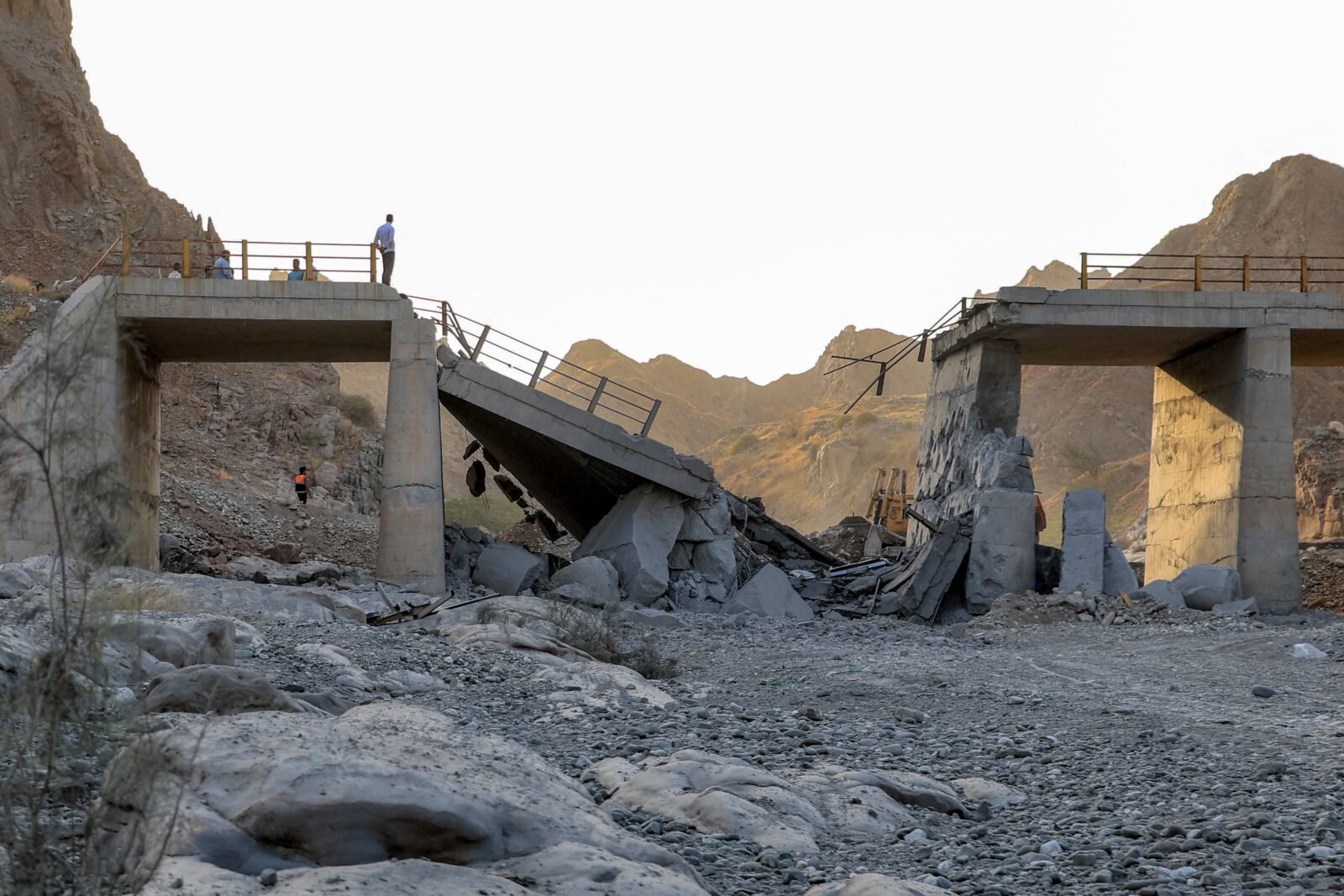

The conflict between the United States and Iran has entered another tense phase, with reports alleging a ninth consecutive night of U.S. military airstrikes targeting sites linked to Iran and its regional allies. While the claims have fueled concern across the Middle East, officials from the countries involved have continued to issue statements supporting their respective positions, and some operational details remain unverified.
The latest developments have increased fears of a wider regional conflict, prompting renewed calls from the international community for restraint and diplomacy. Security experts warn that continued military exchanges could have significant consequences for regional stability, energy markets, and global security.
Reports of Continued Military Operations
According to multiple reports, military activity has continued overnight in several areas associated with the broader US-Iran confrontation. The reported operations come after days of heightened tensions involving missile launches, drone attacks, and retaliatory strikes.
While some officials have acknowledged ongoing security operations, other claims circulating online have not been independently verified. Authorities have not publicly confirmed every reported strike, highlighting the difficulty of obtaining reliable information during an active conflict.
Military analysts say the situation remains fluid, with developments changing rapidly.
Why Tensions Are Rising
Relations between the United States and Iran have remained strained for years due to disagreements over regional security, nuclear activities, sanctions, and the actions of armed groups supported by Tehran.
The latest escalation appears to be driven by a series of military incidents involving attacks on strategic facilities and military installations. Each side has accused the other of contributing to instability, increasing the risk of further confrontation.
Analysts note that miscalculations or unintended incidents could quickly expand the conflict beyond its current scope.
Regional Impact
The ongoing dispute is affecting several countries across the Middle East.
Governments in the region have increased security measures around critical infrastructure, including airports, energy facilities, and military bases. Some countries have also issued travel advisories or adjusted emergency preparedness plans in response to the heightened security environment.
Shipping routes in the Gulf are being closely monitored, as any disruption could affect international trade and global energy supplies.
International Calls for Restraint
World leaders and international organizations have urged all parties to avoid further escalation.
Diplomatic efforts are focusing on reducing tensions through dialogue while encouraging respect for international law and the protection of civilians.
Several governments have expressed concern that continued military operations could destabilize the wider Middle East and create additional humanitarian challenges.
The United Nations has also emphasized the importance of pursuing peaceful solutions and preventing further violence.
Energy Markets React
Global energy markets are closely watching the situation.
The Middle East remains one of the world’s most important energy-producing regions, and any prolonged conflict could affect oil and gas exports.
Financial markets have also responded cautiously, with investors monitoring geopolitical developments that may influence commodity prices and international trade.
Economists say uncertainty surrounding regional security often increases market volatility.
Humanitarian Concerns
As military operations continue, humanitarian organizations have expressed concern about the safety of civilians living in affected areas.
Aid agencies are monitoring the situation closely and are prepared to provide emergency assistance if conditions worsen.
International humanitarian law requires all parties to take precautions to minimize harm to civilians and civilian infrastructure during armed conflict.
Diplomatic Efforts Continue
Despite the rising tensions, diplomatic channels remain open.
Several countries with close ties to both Washington and Tehran are working behind the scenes to encourage communication and reduce the risk of further escalation.
Regional mediators have stressed that dialogue remains the most effective path toward preventing a larger conflict.
Experts believe sustained diplomacy will be essential in the coming days.
Security Experts Warn of Wider Risks
Defense analysts caution that continued military exchanges could have consequences beyond the immediate region.
Potential risks include:
- Increased regional instability
- Disruption to global shipping routes
- Rising energy prices
- Expanded military operations
- Humanitarian challenges
- Greater pressure on international diplomacy
Many experts emphasize that avoiding unintended escalation should remain a priority for all parties.
What Happens Next?
The coming days are expected to be critical.
Observers will closely watch for:
- Official statements from Washington and Tehran
- Any confirmation or denial of reported military operations
- Diplomatic initiatives aimed at reducing tensions
- Regional security developments
- International responses through the United Nations and allied governments
The situation remains highly dynamic, and new information may emerge as officials provide further updates.
Conclusion
The reported ninth consecutive night of alleged U.S. military operations has highlighted the seriousness of the current US-Iran confrontation. While many details remain contested or unconfirmed, the continued exchange of accusations and military activity has increased concerns about regional stability.
As governments and international organizations call for restraint, the focus remains on preventing further escalation and encouraging diplomatic engagement. The coming days will be crucial in determining whether tensions ease through dialogue or continue to intensify, with implications that could extend well beyond the Middle East.
Read Other Articles / US Military to End 23-Year Iraq Deployment by September 2026












Leave a comment