

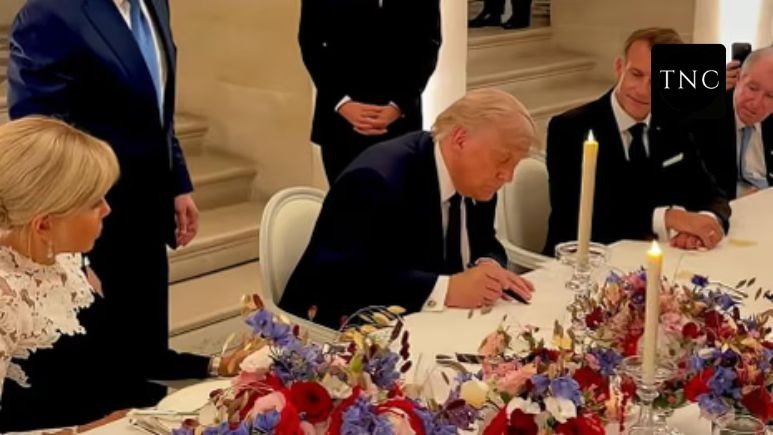

The world is closely watching a major diplomatic breakthrough after the U.S. President Donald Trump and Iranian President Masoud Pezeshkian signed a preliminary agreement aimed at ending months of conflict in West Asia. The deal, described by both governments as a significant step toward peace, has the potential to reshape regional politics, stabilize energy markets, and reduce tensions that have affected millions of people across the Middle East.
While many details are still being negotiated, the agreement marks one of the most important diplomatic developments in the region in recent years. Here is everything we know so far about the Trump-Iran peace deal and its possible impact on the world.
What Is the Trump-Iran Peace Deal?
The agreement is an interim memorandum of understanding designed to stop military operations and create a framework for long-term peace negotiations. According to information released by U.S. officials, both countries have committed to ending active military conflict and working toward a comprehensive final agreement within the coming months.
The deal was reportedly signed digitally by representatives of both governments and later formally endorsed by President Trump during his visit to France following the G7 Summit.
Why Was the Agreement Needed?
Rising Regional Tensions
The conflict between the United States, Iran, and their allies created significant instability across West Asia. Military operations disrupted trade routes, increased security concerns, and raised fears of a wider regional war.
One of the biggest concerns was the disruption of shipping through the Strait of Hormuz, a critical waterway responsible for transporting a substantial share of the world’s oil and liquefied natural gas. Any prolonged disruption threatened global energy supplies and economic stability.
Global Economic Concerns
The conflict contributed to uncertainty in global energy markets. Oil prices experienced volatility as investors worried about supply disruptions. Governments and businesses worldwide were concerned that an extended conflict could trigger broader economic consequences.
Key Terms of the Agreement
Immediate End to Military Operations
One of the most important provisions is a commitment to halt military operations between the two countries and their allies. The agreement seeks an immediate cessation of hostilities and establishes a foundation for future negotiations.
Reopening of the Strait of Hormuz
The deal includes measures to restore commercial shipping through the Strait of Hormuz. This move is considered crucial for global trade and energy security because the waterway serves as a major route for international oil exports.
Lifting Maritime Restrictions
The United States has agreed to begin removing certain maritime restrictions and blockades as part of the peace framework. In return, Iran has committed to facilitating safe commercial passage through key shipping routes.
Future Negotiations
The memorandum serves as a temporary framework rather than a final settlement. Both sides have agreed to continue negotiations and work toward a comprehensive agreement that addresses remaining political, security, and economic issues.
Impact on Global Oil Markets
The announcement immediately attracted attention from financial markets. Analysts believe that reducing tensions in the Gulf region could improve energy security and help stabilize oil prices.
Because the Strait of Hormuz is one of the world’s most important energy corridors, reopening shipping routes may ease concerns about supply disruptions. Investors and energy companies are closely monitoring developments as negotiations continue.
What Does This Mean for West Asia?
Reduced Risk of Escalation
The agreement lowers the immediate risk of a broader regional conflict. Countries across West Asia have welcomed efforts to reduce tensions and encourage diplomatic dialogue.
Economic Recovery Opportunities
Peace could create new opportunities for trade, investment, and infrastructure development. Businesses that were affected by instability may benefit from improved security conditions and restored commercial activity.
Regional Diplomacy
The deal may encourage greater diplomatic engagement among regional powers. If successful, it could become a foundation for broader cooperation on security, trade, and economic development.
Challenges Ahead
Despite the optimism surrounding the agreement, significant challenges remain.
Trust Deficit
Relations between the United States and Iran have been marked by decades of mistrust. Implementing the agreement successfully will require both sides to honor their commitments and maintain open communication.
Unresolved Issues
Several complex issues remain under discussion, including sanctions, nuclear policies, regional security arrangements, and long-term economic cooperation. These topics are expected to be central to future negotiations.
Political Opposition
The agreement has already generated debate among political leaders and analysts. Supporters view it as a diplomatic breakthrough, while critics question whether the framework can deliver lasting peace.
Conclusion
The Trump-Iran peace agreement represents a significant diplomatic development with the potential to transform West Asia’s geopolitical landscape. By seeking to end military operations, reopen critical trade routes, and establish a framework for future negotiations, both countries have taken an important step toward reducing tensions.
However, the agreement remains a preliminary framework, and its long-term success will depend on continued negotiations and mutual cooperation. As the world watches the next phase of diplomacy unfold, the outcome could have far-reaching consequences for regional stability, global energy markets, and international relations.
For now, the deal offers a rare moment of optimism in a region that has experienced prolonged conflict and uncertainty.









Leave a comment