

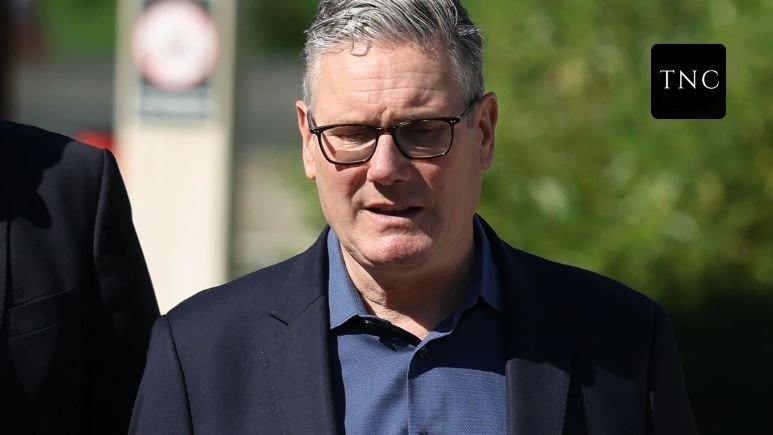

British politics has been thrown into uncertainty following the announcement that Prime Minister Keir Starmer has resigned from office. The unexpected decision has sparked intense debate among political analysts, opposition leaders, and citizens across the United Kingdom.
As one of the most significant political developments in recent years, Starmer’s departure raises important questions about the future of the government, the Labour Party, and Britain’s political direction. While the full details surrounding the resignation continue to emerge, the announcement has already had a major impact on the political landscape.
In this article, we examine what happened, the possible reasons behind the resignation, reactions from political leaders, and what could happen next.
Who Is Keir Starmer?
Keir Starmer became one of the most influential figures in British politics after leading the Labour Party to electoral success. Known for his legal background and pragmatic leadership style, Starmer positioned himself as a moderate politician focused on economic stability, public services, and international cooperation.
His leadership helped reshape the Labour Party and brought renewed optimism to many supporters. However, governing a country facing economic pressures, global uncertainties, and domestic challenges proved far more difficult than winning an election.
The Resignation Announcement
A Surprise Decision
The resignation announcement came as a shock to many observers. Political insiders had speculated about challenges facing the government, but few expected such a dramatic development.
In a statement to the nation, Starmer reportedly expressed gratitude to the British public, government colleagues, and Labour Party members who supported his leadership. He emphasized that serving as Prime Minister had been one of the greatest honors of his life.
The announcement immediately triggered political discussions about leadership succession and the future direction of the government.
Immediate Political Reactions
The resignation prompted reactions from across the political spectrum.
Labour Party members praised Starmer’s contributions and leadership during challenging times. Opposition politicians acknowledged his role in public service while also highlighting areas where they believed his government had fallen short.
International leaders and allies also issued statements recognizing Starmer’s role in global diplomacy and international cooperation.
Why Did Keir Starmer Resign?
Growing Political Pressure
One possible factor behind the resignation may have been increasing political pressure. Prime ministers often face scrutiny from both opposition parties and members of their own political organizations.
Public expectations, policy disagreements, and internal party debates can create significant challenges for any government leader.
Economic Challenges
The UK economy has faced numerous obstacles in recent years, including inflation concerns, public spending debates, and global economic uncertainty.
Economic issues often place considerable pressure on political leaders, particularly when voters are concerned about living costs, employment opportunities, and long-term financial stability.
Personal Considerations
Political leadership can be extremely demanding. Long working hours, constant media attention, and the responsibility of governing a nation can take a significant personal toll.
Some analysts have suggested that personal reasons may have played a role in Starmer’s decision, although official confirmation would be necessary before drawing conclusions.
Impact on the Labour Party
Leadership Contest Expected
One of the most immediate consequences of Starmer’s resignation is the likelihood of a leadership contest within the Labour Party.
Several senior politicians could emerge as potential candidates to replace him. Party members will likely evaluate candidates based on leadership experience, policy priorities, and their ability to unite supporters.
Maintaining Party Unity
Leadership transitions can sometimes create divisions within political parties. Labour’s ability to remain united during this period will be crucial in determining its future success.
Political observers will closely monitor how party leaders manage the transition and whether disagreements emerge regarding future policy direction.
What Happens Next?
Selecting a New Prime Minister
The process for selecting a replacement depends on parliamentary procedures and party rules.
A new leader may be chosen through an internal party election or other constitutional mechanisms. Once selected, the successor will face immediate pressure to establish credibility and demonstrate leadership.
Government Stability
Financial markets, businesses, and international partners often watch political transitions closely.
Government officials will likely work to reassure the public and investors that essential policies and services will continue without disruption.
Maintaining stability during the transition period will be a top priority.
How the Public Is Reacting
Public reaction to the resignation has been mixed.
Supporters have expressed appreciation for Starmer’s service and leadership, while critics have argued that the decision reflects broader political challenges facing the government.
Social media platforms, news outlets, and public forums have been filled with discussions about the resignation’s significance and potential consequences.
Many citizens are particularly interested in understanding how the leadership change may affect economic policies, healthcare services, taxation, and international relations.
Keir Starmer’s Political Legacy
Regardless of political opinion, Starmer’s tenure as Prime Minister will remain an important chapter in modern British politics.
His leadership style, policy decisions, and approach to governance will likely be studied and debated for years to come.
Supporters view him as a reformer who sought stability and practical solutions, while critics may focus on policy shortcomings and unmet expectations.
Ultimately, historians will assess his legacy based on the long-term impact of his leadership and the outcomes achieved during his time in office.
Conclusion
The resignation of Keir Starmer as UK Prime Minister marks a major turning point in British politics. The announcement has created uncertainty, sparked political debate, and raised important questions about the future direction of the government and Labour Party.
As Britain enters a new political chapter, attention will now shift toward leadership succession, government stability, and the policies that will shape the country’s future.
While the immediate impact of the resignation remains uncertain, one thing is clear: this development will have lasting consequences for the UK’s political landscape and will be remembered as a significant moment in modern British history.










Leave a comment