

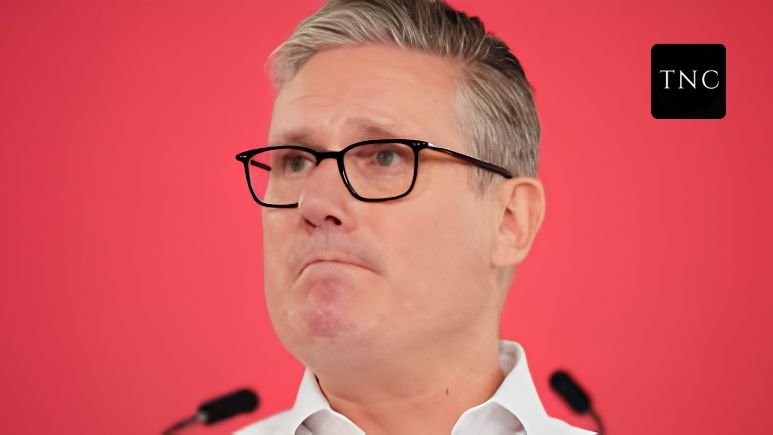

The television lights outside Number 10 flickered against wet pavement as aides hurried through the black front door, phones pressed tightly to their ears. Inside Westminster, Labour MPs were no longer whispering. They were counting.
“How many now?”
“Seventy-two.”
“No, closer to eighty.”
By Monday morning, British Prime Minister Keir Starmer had gone from dominant election winner to embattled leader fighting for political survival. Just two years earlier, he had marched into Downing Street promising competence, stability, and a clean break from Conservative chaos. Now, after devastating local election losses and a revolt brewing inside his own party, senior ministers and Labour lawmakers are openly discussing who could replace him.
The speed of the collapse has stunned even veteran Westminster observers.
Why This Crisis Matters Beyond Britain
Britain has seen political instability before. The revolving door of prime ministers from Boris Johnson to Liz Truss already damaged public trust in government. But Starmer was supposed to be the correction. The steady lawyer. The adult in the room.
Instead, Britain may once again be entering a leadership crisis at a moment of economic fragility, rising populism, and growing voter anger toward traditional political parties.
The deeper story is not simply about one unpopular prime minister. It is about a political system under pressure from every direction: inflation-fatigued voters, fractured party loyalties, and the rapid rise of outsider movements like Nigel Farage and Reform UK.
And for Labour, the nightmare is existential. The party won power promising renewal. Now many of its own MPs fear they could lose their seats if Starmer remains leader.
The Election Shock That Triggered Panic
The revolt did not emerge overnight.
For months, Starmer’s approval ratings had been sliding. Polls showed Labour losing support not just to Conservatives, but also to Reform UK, Greens, and nationalist parties in Scotland and Wales.
Then came the local elections.
Labour lost more than 1,000 council seats and surrendered control of dozens of councils across England. In Wales, the party suffered historic setbacks. In Scotland, Labour’s position weakened again as the Scottish National Party regained momentum.
Inside Labour headquarters, panic spread quickly.
Many MPs represent constituencies with thin majorities. They watched Reform UK siphon working-class voters while younger progressive voters drifted toward the Greens. The coalition that delivered Labour’s landslide victory suddenly looked fragile.
The numbers mattered. But the symbolism mattered more.
Starmer had built his reputation on electability. Once MPs stop believing a leader can win, loyalty evaporates fast in British politics.
The Real Problem: Starmer’s Leadership Style
Critics inside Labour accuse Starmer of running an overly centralized operation driven by advisers and polling rather than political instinct.
His allies argue he inherited a broken country and difficult economy after fourteen years of Conservative rule. They point to improvements in public services and efforts to stabilize government finances.
But frustrated MPs say voters no longer know what Starmer actually stands for.
To some on the left, he abandoned Labour’s progressive promises. To centrists, he failed to communicate a convincing economic vision. To working-class voters, he appeared distant and managerial more courtroom barrister than political fighter.
That perception became even more damaging after controversies surrounding Labour leadership decisions and internal party management intensified public frustration.
Now the pressure inside the party is becoming public.
Senior ministers reportedly urged Starmer to consider a transition plan. Junior aides have resigned. MPs are openly discussing leadership mechanisms that could remove a sitting prime minister.
In Westminster, once those conversations begin, they rarely disappear.
Who Could Replace Him?
No clear successor has emerged. That is part of Labour’s problem.
Still, several names dominate the conversation.
Wes Streeting
The Health Secretary is viewed as the leading centrist contender. Young, media-savvy, and politically aggressive, Streeting appeals to MPs who believe Labour must move quickly to stop the bleeding. Reports suggest some allies are already preparing for a possible leadership contest.
Andy Burnham
Among Labour members, Burnham remains hugely popular. He presents himself as a more authentic, working-class voice capable of reconnecting with disillusioned northern voters. But there is a major obstacle: he is not currently an MP, meaning he would need a path back into Parliament before becoming prime minister.
Angela Rayner
Rayner retains strong support among Labour’s grassroots and trade union wing. Her blunt communication style contrasts sharply with Starmer’s cautious approach. While she has publicly avoided leadership speculation, many MPs see her as a potential unity candidate if the crisis deepens.
Reform UK’s Shadow Over Westminster
Hovering behind all of this is Farage.
For years, British politics revolved around Labour versus Conservatives. That era may be ending.
Reform UK’s local election gains revealed something more dangerous for establishment parties: voter volatility. Millions of voters appear willing to abandon traditional loyalties entirely.
That reality terrifies Labour MPs.
Because this is no longer just a Conservative collapse story. It is becoming a broader rejection of mainstream politics itself.
Starmer’s critics believe he failed to recognize the emotional dimension of that anger. Voters struggling with stagnant wages, housing costs, migration tensions, and strained public services wanted urgency and conviction. Instead, many saw caution and technocratic messaging.
In politics, competence alone rarely inspires loyalty for long.
Keir Starmer may survive this rebellion. British prime ministers have endured internal revolts before.
But the deeper warning signs are harder to escape.
Labour’s crisis reflects something bigger happening across Western democracies: voters are punishing parties that appear managerial, distant, or ideologically hollow. The political center is shrinking. Anger travels faster than patience.
And in Westminster, once a prime minister starts looking weak, the clock usually moves only in one direction.
Also Read / King Charles Delivers Historic Address to Congress, Trades Barbs with Trump at White House State Dinner.










Leave a comment