

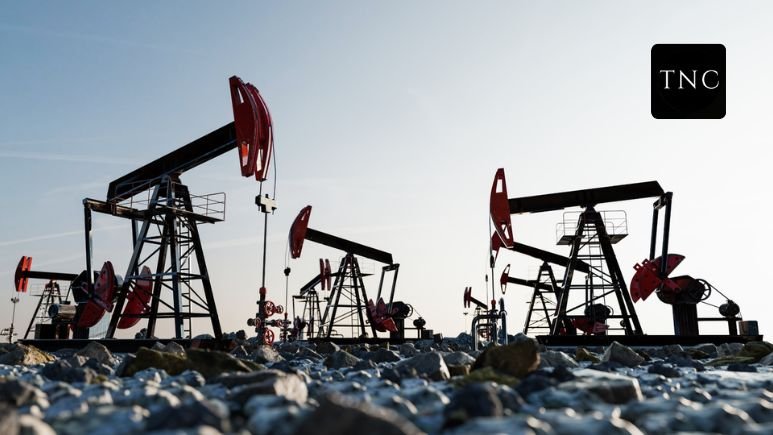

The radar screens inside the trading room flickered red just after dawn. In Singapore, crude oil traders who had spent weeks watching tanker routes through the Persian Gulf suddenly saw the market reverse. Brent crude plunged. Shipping stocks climbed. Screens that had been flashing crisis for months now carried a different word: “agreement.”
Thousands of miles away, crews aboard commercial vessels drifting near the Strait of Hormuz began receiving updated navigation advisories. Some captains who had anchored in uncertainty started preparing engines again. Insurance brokers reopened risk assessments. Ports in the Gulf buzzed with cautious optimism.
For nearly two months, the world’s most important oil chokepoint had symbolized the fear of a wider Middle East war. Now, according to reports emerging from Washington, Tehran, and regional intermediaries, the United States and Iran have reached a framework to gradually reopen the Strait of Hormuz, a narrow waterway through which nearly a fifth of the world’s oil supply normally flows.
The significance stretches far beyond oil tankers.
The Strait of Hormuz is not just a shipping lane. It is the pressure valve of the global economy. When it tightens, fuel prices rise in Mumbai, inflation climbs in Europe, airlines panic in New York, and factories in China brace for supply shocks. The latest agreement between the US and Iran signals more than a temporary de-escalation; it reveals how close the global economy came to another energy-driven crisis and how fragile the current peace still remains.
The negotiations reportedly center on a phased easing of the American naval blockade in exchange for Iran gradually restoring commercial access through Hormuz. Diplomatic channels involving Pakistan, Gulf intermediaries, and backchannel talks helped push both sides toward compromise after weeks of military escalation and economic disruption.
Markets reacted instantly because traders understand one brutal truth: modern economies run on uninterrupted energy movement. Even the threat of disruption in Hormuz can send oil prices soaring within hours. Earlier in the crisis, crude surged above psychological thresholds as fears spread that the conflict could choke global supply chains. But the latest reports of a reopening deal triggered a dramatic reversal. Brent crude fell sharply, while global equities rallied on hopes that the worst-case scenario might be avoided.
Still, beneath the market celebration lies a deeper instability.
Neither Washington nor Tehran appears to trust the other fully. Iranian officials continue to insist that regional security should remain under Iranian control, while the United States has maintained pressure through naval operations and sanctions. Several unresolved flashpoints remain active, including Hezbollah activity in Lebanon, maritime security disputes, and broader disagreements over Iran’s missile and nuclear programs.
That means the agreement is less a peace treaty than a controlled pause.
History shows how quickly Hormuz tensions can spiral. A single drone strike, tanker seizure, or military miscalculation can freeze shipping traffic again. Commercial insurers know this. Energy companies know this. Governments importing Gulf oil definitely know this. India, China, Japan, and much of Europe remain deeply exposed to any disruption in the corridor. Even temporary instability can ripple into fuel prices, freight costs, inflation, and currency markets worldwide.
What makes this moment especially important is timing. The global economy is already wrestling with stubborn inflation, slowing manufacturing growth, and geopolitical fragmentation. Another prolonged energy shock could have pushed several economies toward recession territory. Instead, the reopening talks have offered markets a rare commodity in 2026: relief.
But relief is not resolution.
Military operations around the Strait have only partially paused. Reports indicate that American escort missions and maritime enforcement activities remain on standby, while Iranian authorities continue asserting strategic control over the waterway. In practical terms, shipping may resume gradually, but confidence will take far longer to return.
The tentative US-Iran agreement over the Strait of Hormuz may calm markets and reopen oil flows for now, but it does not erase the deeper conflict underneath. The world economy just received a reminder that a narrow strip of water between Iran and Oman still has the power to shake governments, move stock markets, and alter the price of everyday life across the globe.
Also Read / Oil Shock, Strategic Windfall: Why the Iran War Could Quietly Strengthen Russia.









Leave a comment