


In the southern Iranian port city of Bandar Abbas, fishermen who normally pushed their boats into the Persian Gulf at sunrise instead stood on the shoreline staring at black smoke rising from the horizon. Mobile networks flickered. Fuel lines stretched for blocks. Mothers rushed into bakeries before flour disappeared. By noon, rumors moved faster than facts: American bombers had struck naval installations overnight; Iranian forces were preparing retaliation in the Strait of Hormuz.
A 42-year-old dockworker named Mehdi told local media he had spent the morning calling relatives across three provinces because “nobody knows what happens next.” The fear was not only about missiles. It was about whether the ports would close, whether salaries would vanish, whether another war in the Middle East had finally crossed the point of no return.
Weeks later, Washington began talking about peace.
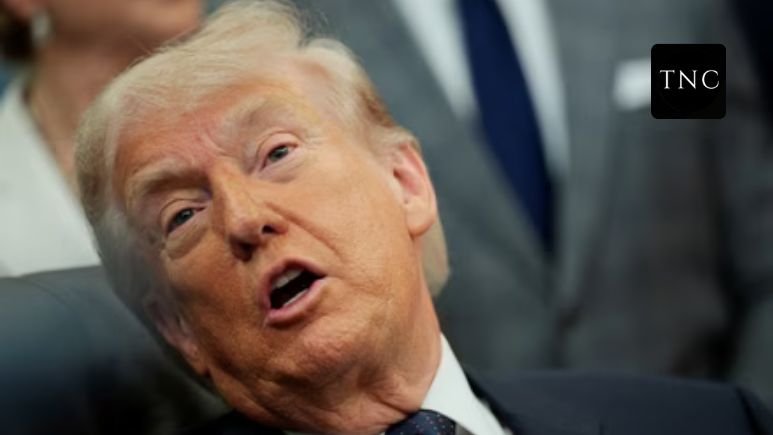
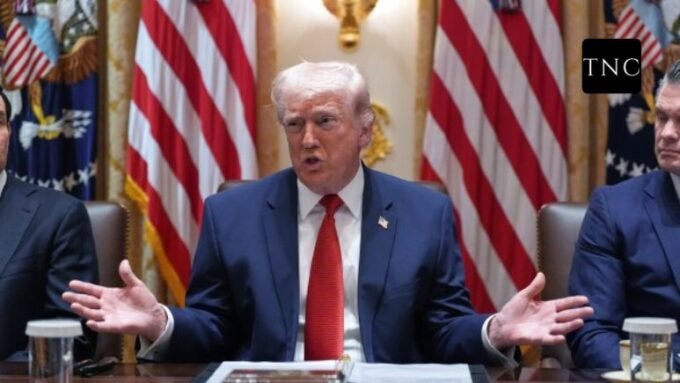
President Donald Trump announced pauses in military operations, floated claims of “great progress” in negotiations, and promoted a maritime security initiative called “Project Freedom.” Yet despite ceasefire headlines and diplomatic gestures, the conflict has continued to drag forward in fragments airstrikes followed by negotiations, threats followed by pauses, optimism followed by fresh escalation.
That contradiction now defines the Iran conflict of 2026.
The war has become a case study in modern geopolitical paralysis: a conflict too dangerous to fully expand, too politically costly to abandon, and too strategically tangled to resolve quickly. Washington says it wants deterrence. Tehran says it wants sovereignty. Global markets want stability. None of them are getting it.
At the center of the crisis lies the Strait of Hormuz, the narrow artery through which much of the world’s oil supply passes. When Iran threatened shipping routes and regional energy flows, the economic shock rippled almost instantly across global markets. Oil prices surged. Shipping insurers panicked. Commercial vessels hesitated to enter one of the world’s most critical waterways.
That is where “Project Freedom” entered the picture.
The Trump administration presented the operation as both a military shield and a humanitarian necessity, a naval effort designed to escort trapped commercial ships through the strait. Officials described it as proof of American strength. Critics called it improvised brinkmanship. Even shipping executives questioned whether the mission had clear rules or reliable protection.
And that uncertainty exposes the larger truth about the conflict.
The United States appears trapped between two incompatible objectives. On one hand, Trump has repeatedly promised overwhelming force against Iran’s nuclear ambitions and regional military networks. On the other, the White House is also desperate to avoid a prolonged regional war that could spike fuel prices, destabilize allies, and dominate American politics heading into another election cycle.
Iran faces its own contradiction.
Tehran cannot afford to appear weak after sustained American and Israeli strikes. But it also cannot absorb endless economic isolation and military pressure without risking internal instability. Reports of infrastructure disruption, internet shutdowns, displacement, and economic stress inside Iran suggest a country already straining under the weight of confrontation.
So both sides keep searching for what diplomats often call an “off-ramp” a way to step back without looking defeated.
That explains the strange rhythm of this war. Bombings are followed by negotiations. Naval deployments are paused for diplomacy. Threats of escalation coexist with headlines about framework agreements and ceasefire talks brokered by countries like Pakistan and China.
But beneath the diplomatic choreography sits the unresolved issue that started the crisis in the first place: Iran’s nuclear program.
Washington continues demanding restrictions on uranium enrichment and tighter oversight. Iran sees those demands as surrender disguised as negotiation. Until that gap closes, every ceasefire risks becoming a temporary theater instead of permanent peace.
The conflict has also exposed something deeper about global power in 2026.
America still possesses unmatched military reach. It can bomb targets, deploy fleets, and pressure allies within hours. But military dominance no longer guarantees political outcomes. Even after aggressive operations and public declarations of success, Washington still struggles to dictate the terms of peace. Analysts increasingly argue that the war has highlighted the limits of coercive diplomacy in a fragmented, multipolar world.
Meanwhile, countries watching from the sidelines are drawing their own conclusions. China sees opportunity in American overextension. Gulf states fear economic collapse if shipping routes remain unstable. Smaller nations are learning an uncomfortable lesson: modern wars rarely end cleanly anymore. They linger through sanctions, cyberattacks, proxy forces, and negotiated pauses that solve little.
The Bottom Line: Trump’s Iran war keeps dragging on because neither side can fully win and neither side can politically afford to lose. The bombings create pressure. The peace talks create headlines. But the core dispute over power, security, and nuclear capability remains unresolved. Until that changes, the world may keep cycling through the same pattern: escalation at night, diplomacy by morning, and uncertainty in between.









Leave a comment