


The lights went out just after midnight in Karachi’s Liaquatabad neighborhood. Ceiling fans slowed to a stop. Air conditioners coughed once and died. Within minutes, families dragged plastic chairs onto balconies, chasing whatever warm breeze the city could offer in the middle of a punishing summer night.
At a roadside tea stall running on a noisy diesel generator, 42-year-old shopkeeper Salman Ahmed stared at the darkness spreading across the block. “Every week, the cuts get longer,” he muttered, pouring chai into paper cups while fuel prices climbed around him. The irony was hard to miss: Pakistan, a nation built on imported energy lifelines, was now gambling that geopolitics would cool down before its electricity grid melted down first.
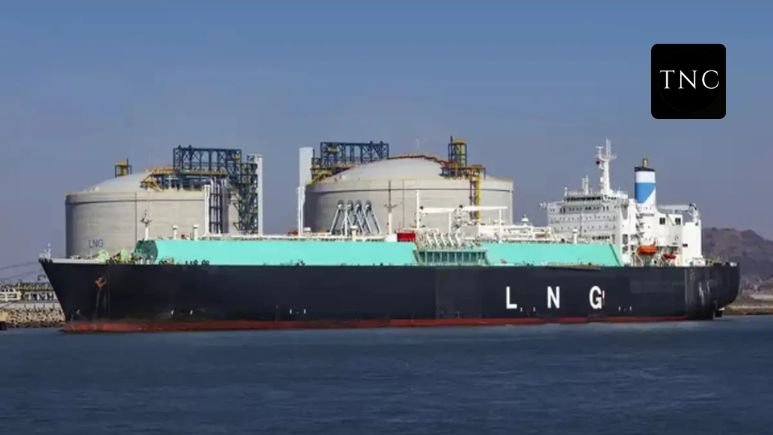
That gamble sits at the center of Islamabad’s latest energy strategy. Pakistan has reportedly chosen not to purchase urgent liquefied natural gas cargoes from the international spot market, betting instead that tensions around the Strait of Hormuz will ease and cheaper LNG shipments from Qatar will resume soon. citeturn0search0turn0search1turn0search13
The decision may save the cash-strapped country millions of dollars in the short term. It could also deepen blackouts, intensify industrial slowdowns, and expose how vulnerable South Asia remains to a single maritime chokepoint thousands of kilometers away.
The Strait of Hormuz is not just another shipping lane. It is the narrow artery through which roughly one-fifth of the world’s LNG and massive volumes of crude oil flow every day. When conflict involving Iran, the United States, and regional powers disrupted traffic earlier this year, global gas markets reacted instantly. LNG prices surged. Cargo schedules collapsed. Import-dependent economies across Asia scrambled for alternatives. citeturn0search1turn0search2turn0search11
Pakistan was among the hardest hit.
The country relies heavily on Qatar for LNG imports under long-term contracts that are far cheaper than volatile spot-market purchases. But as tensions escalated and shipments stalled, Pakistan suddenly found itself competing in a brutal seller’s market. Spot LNG prices reportedly climbed toward levels that officials feared would devastate the country’s already fragile finances. citeturn0search2turn0search11
So Islamabad blinked.
Instead of aggressively locking in emergency cargoes, officials appear to be wagering on diplomacy. Pakistan has been involved in mediation efforts tied to US-Iran negotiations and seems hopeful that calmer waters in Hormuz will restore normal LNG traffic before shortages spiral further. citeturn0search1turn0search12
But energy markets punish optimism faster than politics rewards it.
Pakistan already imported far fewer LNG cargoes this year compared to previous averages. Power plants have struggled to maintain output. Hydropower shortfalls and extreme heat have compounded the pressure. Industries dependent on uninterrupted gas supplies are warning of production disruptions, while ordinary households face longer periods without electricity. citeturn0search1turn0search2turn0search8
The deeper story is not simply about one country delaying LNG purchases. It is about the collision between economics, geography, and geopolitical risk.
For years, developing economies like Pakistan benefited from relatively stable global energy flows. LNG allowed countries without major domestic reserves to fuel factories, stabilize power grids, and expand urban growth. But the system depended on open shipping lanes and predictable markets. The Hormuz crisis shattered that assumption almost overnight.
Now governments are relearning an uncomfortable truth: energy security is not only about supply. It is about resilience.
Pakistan has tried to cushion the blow by expanding domestic production, increasing renewable capacity, and exploring alternative suppliers like Azerbaijan. Officials have also discussed rerouting oil imports and relying more heavily on local fuel sources. citeturn0search11turn0search2
Still, none of those solutions can fully replace Qatari LNG in the near term.
That leaves Pakistan trapped between two bad options. Buy expensive LNG cargoes and worsen economic strain or wait for geopolitical tensions to ease and risk widespread shortages if they do not.
Other Asian economies are watching closely because Pakistan may be an early warning sign. The modern global energy system was built for efficiency, not chaos. When one narrow waterway becomes unstable, the consequences ripple from Gulf export terminals to apartment buildings in Karachi, factories in Bangladesh, and commodity markets in Singapore.
The Bottom Line: Pakistan’s LNG gamble is more than an energy story. It is a preview of how geopolitical conflict can instantly reshape daily life for millions of people. If the Strait of Hormuz stabilizes, Islamabad may look strategically patient. If tensions flare again, the country could find itself paying a far higher price than expensive fuel in blackouts, economic pain, and public frustration.









Leave a comment