

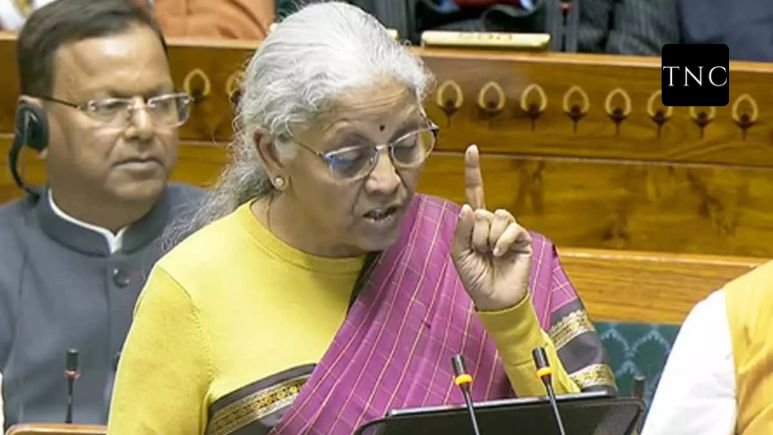

The Lok Sabha on Monday passed the Insolvency and Bankruptcy Code (Amendment) Bill, 2025 by voice vote, marking one of the substantive legislative outcomes of the Budget Session 2026 even as the House witnessed considerable turbulence over the falling rupee, left-wing extremism, and the government’s handling of the ongoing West Asia conflict.
The IBC Amendment: A Decade in the Making
Finance Minister Nirmala Sitharaman, who had introduced the bill on March 27, told the House that 40 members had contributed to its discussion and that lessons drawn from nearly a decade of IBC implementation had shaped the amendments. The bill, which was initially referred to a Select Committee, has been introduced to address delays and bring procedural amendments to the insolvency and bankruptcy resolution process for both companies and individuals. Analysts and industry bodies broadly welcomed the passage, noting that faster and more predictable resolution timelines would benefit creditors, debtors, and the wider economy alike.
CAPF Bill Sparks Sharp Debate in Rajya Sabha
The more contentious business of the day unfolded in the Upper House, where Home Minister Amit Shah moved the Central Armed Police Forces (General Administration) Bill, 2026 for passage. The Bill provides for 50 per cent of posts in the CAPFs to be filled by deputation at the rank of Inspector General, a minimum of 67 per cent of posts to be filled by deputation at the rank of Additional Director General, and mandates that all posts at the levels of Special Director General and Director General be filled exclusively by deputation.
Opposition MPs from the INDIA bloc raised strong objections, arguing that the legislation directly contradicts a Supreme Court ruling from 2025. That judgment had called for the number of posts earmarked for deputation in the CAPFs up to the level of Senior Administrative Grade to be progressively reduced within an outer limit of two years a direction the Bill, critics contend, effectively reverses. The government defended the legislation as a necessary administrative reform to bring greater flexibility and expertise to senior leadership positions across forces including the BSF, CRPF, ITBP, and CISF.
Naxal-Free India Deadline Draws Floor Discussion
The Lok Sabha also took up a short-duration discussion, moved under Rule 193, on the government’s drive to eliminate left-wing extremism from the country. Home Minister Amit Shah had publicly announced March 2026 as the deadline for a Naxal-free India, and the motion was moved by Shiv Sena MP Shrikant Shinde. The debate allowed both treasury and opposition benches to assess the progress of counter-insurgency operations and rehabilitation programmes in affected states, with the government pointing to a significant decline in Maoist-related violence over the past two years.
Opposition Raises Rupee, Women’s Reservation
Beyond the formal legislative agenda, the session witnessed repeated disruptions. The opposition triggered an uproar over the depreciation of the Indian rupee against the US dollar, demanding a statement from the government on the economic management of the currency amid global uncertainty.
The government also confirmed it would not introduce a constitutional amendment bill to advance women’s reservation in the current session. A proposal to expand Lok Sabha seats from 543 to 816, with 273 seats reserved for women, will not move forward before the session closes. Congress leader Jairam Ramesh sharply criticised the decision, accusing the government of deploying what he called “weapons of mass diversion” to sidestep a firm commitment on the issue.
Session to Conclude by April 2
As Parliament readies to conclude the Budget Session 2026, sources indicated that the government may adjourn proceedings before April 2, potentially cutting short the session ahead of upcoming state elections. The Finance Bill, 2026 had already cleared both Houses on Friday, giving legislative form to the Union Budget’s fiscal proposals for the year ahead.
With the IBC Amendment and the Finance Bill now enacted, and the CAPF Bill having navigated the Rajya Sabha despite significant pushback, the Budget Session 2026 will be remembered as one that delivered meaningful legislative output even as it remained punctuated, as is now customary, by the theatre and tension that define India’s parliamentary democracy at its most animated.
Also Read / The War Room India Won’t Call a War Room: How West Asia’s Crisis Reached South Block












Leave a comment