

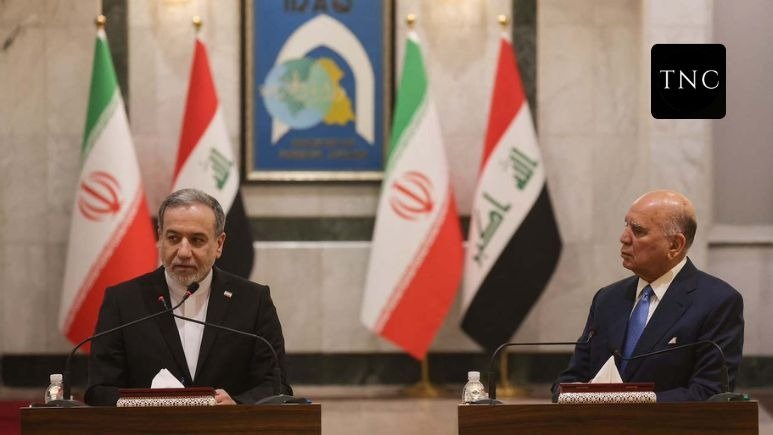

The United States and Iran have reportedly agreed to suspend further military strikes and prepare for high-level diplomatic talks in Doha, Qatar, on June 30. The decision comes after a tense weekend that threatened to derail an earlier ceasefire agreement and reignite wider conflict across the Middle East.
According to multiple reports, senior U.S. officials confirmed that both countries have agreed to pause military operations while negotiators attempt to stabilize the fragile peace process. The upcoming meeting in Doha is expected to focus primarily on restoring security in the Strait of Hormuz, one of the world’s most important energy shipping routes.
Why the U.S. and Iran Agreed to Halt Strikes
The latest diplomatic breakthrough follows nearly 48 hours of escalating military action between the two countries.
The situation deteriorated after commercial vessels operating in the Strait of Hormuz came under attack, prompting U.S. forces to target Iranian military infrastructure. Iran responded with missile and drone strikes against U.S. military installations located in Kuwait and Bahrain, raising fears that the conflict could rapidly spread throughout the Gulf region.
With regional tensions increasing and global markets reacting nervously, both governments reportedly decided to suspend further military action and return to the negotiating table.
Doha Talks to Focus on Strait of Hormuz
The June 30 meeting in Doha represents an important opportunity for both sides to rebuild confidence following the recent escalation.
While earlier negotiations were expected to include discussions surrounding Iran’s nuclear program, reports indicate that the immediate priority has shifted toward securing navigation through the Strait of Hormuz.
This narrow waterway carries a significant share of the world’s oil and liquefied natural gas exports. Any disruption to shipping in the region can quickly influence global energy prices, insurance costs, and international trade.
Ensuring uninterrupted commercial shipping has therefore become a central objective of the planned negotiations.
Background of the Current Crisis
The renewed tensions come despite a memorandum of understanding reportedly reached on June 17, which aimed to end months of fighting.
Under that framework:
- Iran agreed to allow safe passage for commercial vessels.
- The United States agreed to ease restrictions affecting Iranian ports.
- Both sides committed to reducing military activity.
However, disagreements over shipping access and military operations quickly resurfaced, causing the agreement to come under pressure only days later.
Regional Complications Continue
The diplomatic situation remains complicated by ongoing violence elsewhere in the Middle East.
Recent Israeli military operations targeting Hezbollah positions in southern Lebanon have created additional friction among regional actors. Iran and Hezbollah have argued that these actions conflict with broader commitments to reduce hostilities across the region.
At the same time, political disagreements over sanctions relief, frozen Iranian assets, and regional security arrangements continue to challenge efforts toward a lasting peace.
Importance of the Strait of Hormuz
The Strait of Hormuz remains one of the world’s most strategically important waterways.
Nearly one-fifth of global oil shipments pass through this narrow passage connecting the Persian Gulf to international markets.
Any military confrontation affecting the strait has immediate consequences for:
- Global oil prices
- International shipping
- Energy security
- Inflation
- Global financial markets
For this reason, governments worldwide are closely monitoring the outcome of the Doha negotiations.
What to Expect From the Doha Meeting
Diplomatic officials hope the June 30 talks will:
- Reinforce the existing ceasefire.
- Prevent additional military escalation.
- Restore safe commercial shipping.
- Improve military communication between both sides.
- Lay the groundwork for broader diplomatic negotiations.
Although optimism has increased, uncertainties remain regarding Iran’s final participation and whether both sides can resolve key disagreements over sanctions, security, and regional influence.
Global Impact
Financial markets, energy companies, and international governments are expected to closely monitor developments in Doha.
A successful diplomatic outcome could help stabilize oil markets, reduce geopolitical uncertainty, and lower the risk of broader regional conflict.
However, any breakdown in negotiations could once again threaten shipping through the Strait of Hormuz and increase tensions across the Middle East.
Final Thoughts
The agreement to halt military strikes represents an important diplomatic opportunity after days of dangerous escalation between the United States and Iran. While the planned Doha talks offer hope for reducing immediate tensions, achieving a long-term settlement will require continued dialogue, mutual trust, and meaningful compromises from both governments.
The coming days are likely to determine whether this temporary pause evolves into a sustainable peace process or remains only a short-lived ceasefire.










Leave a comment