

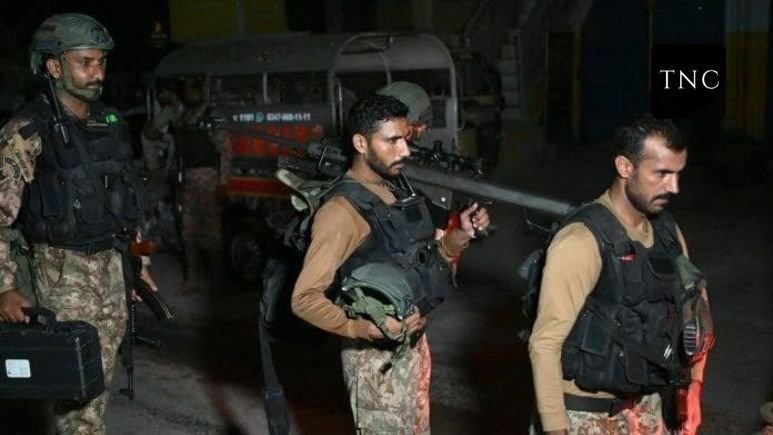

Pakistan has announced that its security forces killed 29 militants during a series of ground operations and targeted strikes near the country’s border with Afghanistan. According to Pakistani military officials, the operations were launched after intelligence reports indicated the presence of armed militant groups attempting to operate near the frontier.
The announcement comes at a time of increasing security concerns along the Afghanistan–Pakistan border, where cross-border violence and militant activity have continued to strain relations between the neighboring countries. While Pakistan has described the operations as part of its ongoing counterterrorism campaign, the developments have once again highlighted the fragile security situation in the region.
Pakistan Details Counterterrorism Operations
According to Pakistan’s security authorities, the operations were conducted in multiple locations along the northwestern border following intelligence-based surveillance.
Officials stated that security personnel engaged suspected militants in coordinated ground assaults while supporting strikes targeted alleged militant hideouts. Pakistan claims that 29 militants were killed during the operations and that weapons, ammunition, and communication equipment were recovered from the sites.
Authorities said the military action was intended to prevent planned attacks against civilians and security forces inside Pakistan.
Independent verification of the reported casualty figures was not immediately available, and authorities across the border had not publicly confirmed Pakistan’s account at the time of reporting.
Why the Border Region Remains Volatile
The Afghanistan–Pakistan border has long been one of South Asia’s most challenging security zones.
Stretching approximately 2,600 kilometers, the border passes through mountainous terrain that has historically made surveillance and border management difficult. Pakistan has repeatedly stated that militant groups use remote areas to organize attacks before crossing into Pakistani territory.
Afghanistan has previously rejected accusations that its territory is being deliberately used for attacks against neighboring countries, while also raising concerns over cross-border military activity.
These differing positions have complicated efforts to strengthen bilateral security cooperation.
Pakistan’s Counterterrorism Strategy
Pakistan has intensified counterterrorism operations in recent years following an increase in attacks targeting military installations, police personnel, and civilian infrastructure.
Military officials say intelligence-based operations remain one of the country’s primary strategies to dismantle militant networks before attacks can be carried out.
Authorities have also increased border fencing, surveillance systems, and patrols to reduce unauthorized crossings and improve overall security along sensitive sections of the frontier.
Government officials maintain that these measures are necessary to protect national security and maintain stability in border regions.
Regional Security Concerns
The latest operations are likely to attract attention across South Asia and beyond.
Security analysts warn that continued violence along the Afghanistan–Pakistan border could increase diplomatic tensions while affecting regional cooperation on trade, infrastructure, and counterterrorism.
Neighboring countries and international organizations have consistently encouraged both governments to address security challenges through dialogue, intelligence sharing, and coordinated border management.
Any prolonged escalation could also have economic consequences by disrupting trade routes and slowing regional development projects.
Impact on Border Communities
Beyond military operations, civilians living near the border continue to face significant challenges.
Frequent security incidents often result in:
- Temporary movement restrictions
- Increased military checkpoints
- Disruptions to cross-border trade
- Delays in humanitarian assistance
- Concerns over civilian safety
Businesses dependent on cross-border commerce may also experience losses whenever security operations or border closures interrupt the movement of goods.
Local communities have repeatedly called for improved security while also emphasizing the importance of maintaining access to markets, healthcare, and essential services.
Diplomatic Challenges Continue
Relations between Afghanistan and Pakistan have experienced repeated periods of tension over security concerns, border management, and the movement of militant groups.
Despite these disagreements, diplomatic communication between the two countries has continued through official meetings and regional forums aimed at preventing misunderstandings and reducing the risk of further escalation.
Experts believe that sustained political dialogue, combined with stronger border coordination, remains essential for improving long-term stability.
International Response
The international community continues to closely monitor developments along the Afghanistan–Pakistan border due to concerns about regional security and counterterrorism efforts.
Analysts note that maintaining stability in the border region is important not only for Afghanistan and Pakistan but also for broader South Asian security and international trade connectivity.
Governments around the world have generally emphasized the importance of respecting international law, protecting civilians, and resolving disputes through diplomatic engagement wherever possible.
Looking Ahead
Pakistan has indicated that counterterrorism operations will continue wherever intelligence identifies potential threats.
Meanwhile, regional observers will closely watch whether the latest military action leads to increased diplomatic engagement or contributes to further tensions between Islamabad and Kabul.
The evolving security situation underscores the complexity of combating militancy while balancing regional stability, humanitarian concerns, and bilateral relations.
As investigations and official statements continue, additional information may emerge regarding the operations and their broader implications for security in South Asia.











Leave a comment