

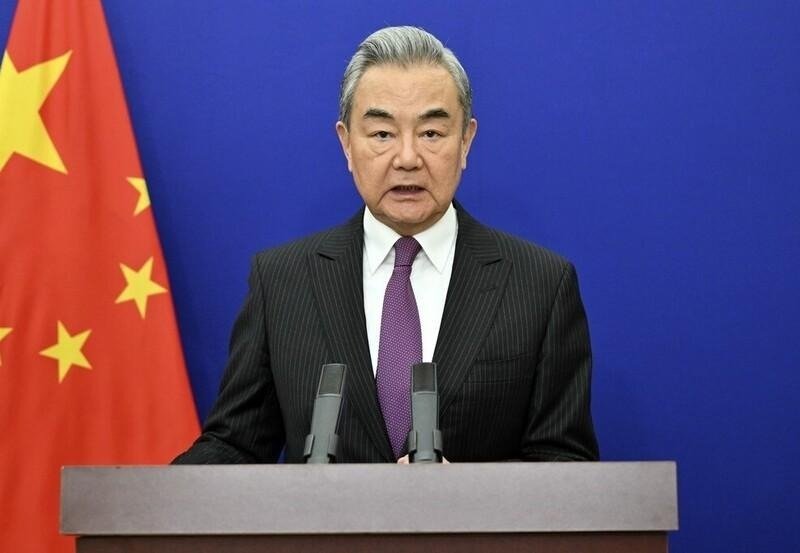

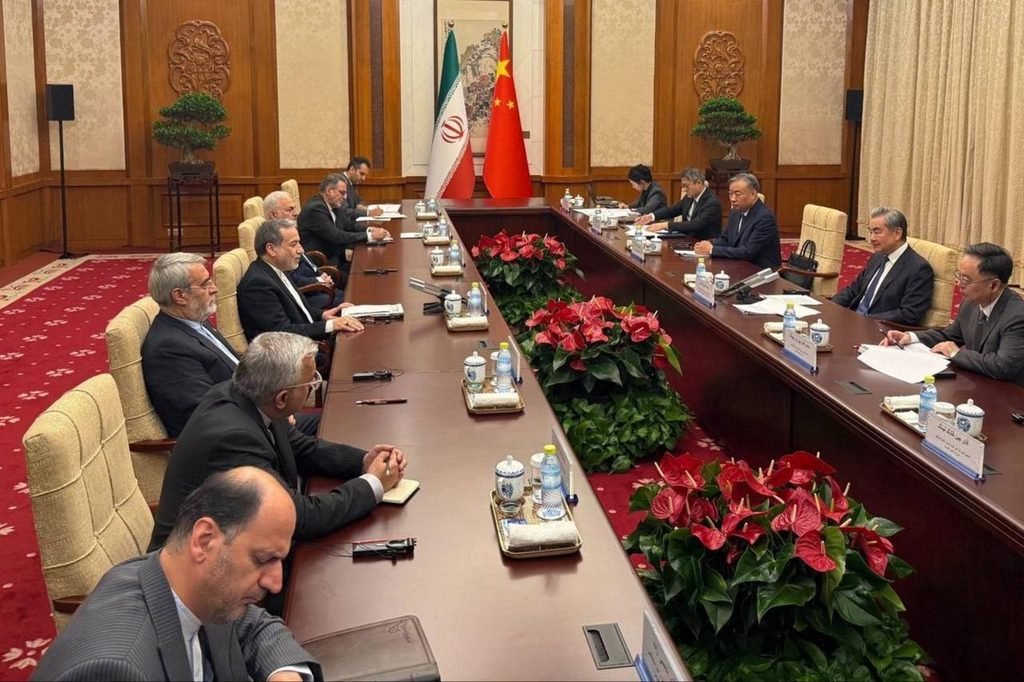
Beijing: China has called on Iran and the United States to exercise restraint and return to diplomatic negotiations as the conflict in the Middle East continues to disrupt shipping through the Strait of Hormuz and add pressure to global energy markets. Chinese Foreign Minister Wang Yi made the appeal during a meeting with Iranian Foreign Minister Abbas Araghchi in Beijing on September 16.
The Chinese government said both sides should rebuild a negotiating framework based on previous understandings and work toward reducing tensions rather than allowing the conflict to expand further. Wang also stressed the importance of reopening the Strait of Hormuz, a critical route for international energy transportation.
China Urges Both Sides to Return to Talks
Wang Yi’s latest statement reflects China’s broader call for a diplomatic solution to the conflict.
According to Reuters, Wang urged both Iran and the United States to remain rational and revive discussions using the Islamabad memorandum as a basis. He also called for the sides to rebuild a negotiation structure around agreements reached earlier.
The appeal comes at a particularly sensitive moment. Fighting and attacks linked to the conflict have reduced shipping through the Strait of Hormuz to very low levels, increasing concerns about global energy supplies.
China’s position is significant because Beijing maintains close economic ties with Iran and is also an important participant in the international energy market.
Strait of Hormuz Becomes a Major Concern
The Strait of Hormuz is one of the world’s most important maritime energy routes. A large share of global oil and liquefied natural gas shipments normally passes through the narrow waterway.
Reuters reported that only four vessels crossed the Strait on Tuesday, compared with a recent 10-day average of about 18 vessels per day. None of the vessels detected were very large crude oil carriers or LNG tankers.
The sharp fall in shipping traffic has raised concerns among governments and energy companies because prolonged disruption could reduce the availability of oil and gas in international markets.
Some vessels may have travelled with tracking systems switched off, meaning official shipping data may not capture every crossing. Even so, the available information indicates that commercial traffic remains far below normal levels.
Energy Markets Remain Under Pressure
The Strait of Hormuz crisis has already affected global oil markets.
When fewer tankers can safely move through the waterway, traders become concerned about future supplies. That can push crude prices higher as markets price in the risk of a longer disruption.
The situation is especially important for major oil-importing countries in Asia, Europe and elsewhere. Higher crude prices can eventually increase fuel, transportation and manufacturing costs, adding to inflation pressures.
China’s call for reopening the waterway therefore has both diplomatic and economic significance. Beijing has a direct interest in keeping energy shipments moving and preventing a prolonged disruption to regional trade.
Iran Remains Open to Diplomacy
Iranian Foreign Minister Abbas Araghchi has previously indicated that Tehran remains open to dialogue under certain conditions.
China has sought to position itself as a diplomatic participant capable of communicating with both regional actors and major global powers. The meeting between Wang and Araghchi provides another channel for discussions at a time when direct Iran-US diplomacy remains difficult.
China’s Foreign Ministry has also emphasized that it supports a political and diplomatic solution while calling for respect for national sovereignty and regional stability.
China’s Relationship With Iran Matters
Beijing has maintained close relations with Tehran for years, including significant energy and economic connections. China remains an important buyer of Iranian oil, although sanctions and the current conflict have affected trade volumes.
That relationship gives China a reason to remain closely involved in discussions about the conflict.
At the same time, Beijing has generally avoided presenting itself as a formal mediator unless the conditions for diplomacy are in place. China’s current approach combines calls for de-escalation with pressure for the restoration of normal commercial navigation.
Washington and Beijing Also Preparing for Talks
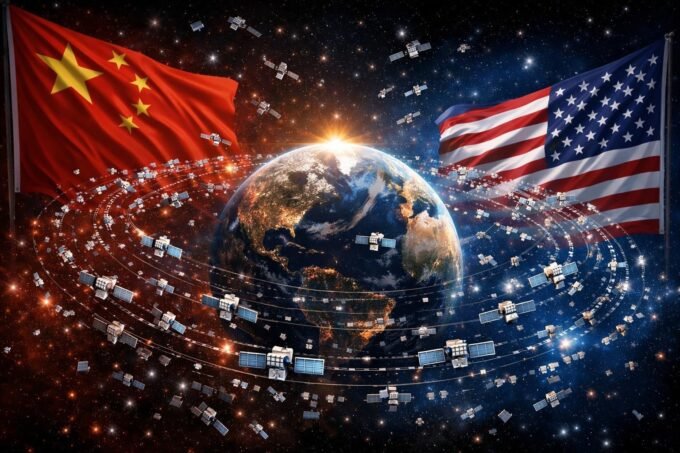
The latest diplomatic activity comes ahead of expected high-level US-China discussions.
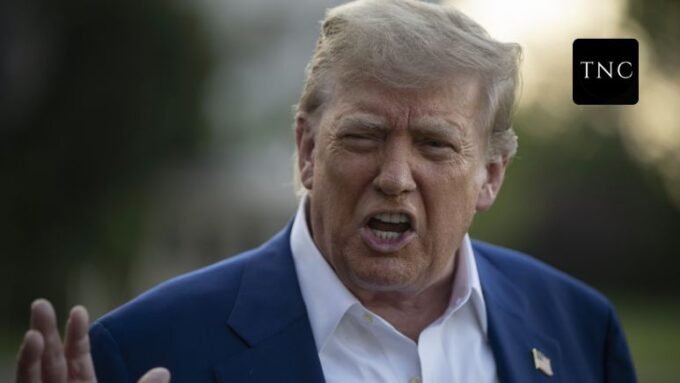
US Treasury Secretary Scott Bessent is scheduled to meet Chinese Vice Premier He Lifeng later this week, with Iran and China’s financial relationship with Tehran expected to be among the issues under discussion. A planned meeting between US President Donald Trump and Chinese President Xi Jinping is also expected later this month, subject to confirmation.
This creates another channel through which the Iran conflict could become part of broader US-China diplomacy.
Washington has been seeking to limit financial support for Iran and has targeted entities connected to Iranian trade. China, meanwhile, has criticized measures that it views as contributing to regional instability.
Risk of Wider Regional Escalation
Another concern for diplomats is the possibility that the conflict could spread beyond Iran and the immediate Gulf region.
Wang Yi specifically warned about the possibility of tensions expanding toward Yemen and the Red Sea, according to Reuters. Those waterways are already important routes for global trade, and further disruption could increase shipping times and insurance costs.
A wider regional conflict could therefore affect not only energy markets but also food supplies, manufacturing chains and international shipping.
Why Diplomacy Matters for the Global Economy
A return to negotiations could have effects far beyond the political relationship between Washington and Tehran.
Stable shipping routes would allow oil tankers and other commercial vessels to operate more normally. That could reduce some of the risk premium currently built into energy prices and provide greater certainty for businesses.
For countries such as India, Japan, South Korea and several European nations, reliable access to Middle Eastern energy supplies is particularly important.
The economic impact of the conflict will depend heavily on how long disruptions continue.
What Happens Next?
The next stage of the crisis will depend on whether Iran and the United States are able to restart meaningful negotiations and whether commercial shipping through the Strait of Hormuz can gradually return to normal.
China is now publicly pushing for both developments. Wang Yi’s appeal for restraint, renewed talks and the reopening of the key waterway shows that Beijing is placing diplomacy at the centre of its response to the crisis.
For now, however, shipping through Hormuz remains far below normal levels, keeping global energy markets on alert.
The coming days will be important as diplomatic efforts develop and governments assess whether the conflict can be contained. For China, the priority is clear: prevent further escalation, restore negotiations and protect the flow of international trade and energy.
In a conflict with consequences stretching far beyond the Middle East, China’s call for Iran-US diplomacy has become another significant effort to push the region back toward dialogue.
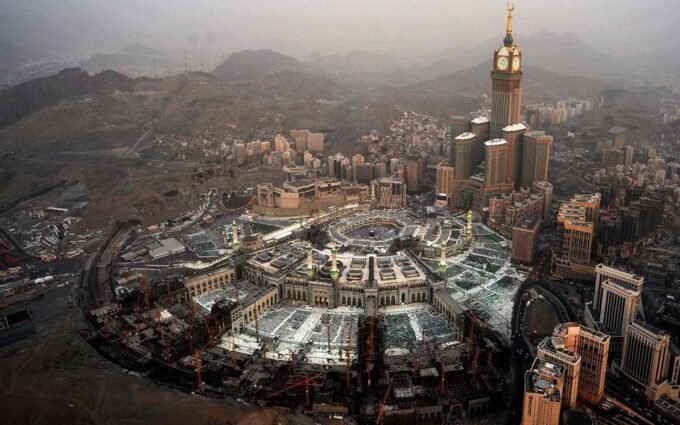
Also Read | Attempted Drone Attack Near Mecca Raises Security Concerns as Regional Tensions Escalate









Leave a comment