

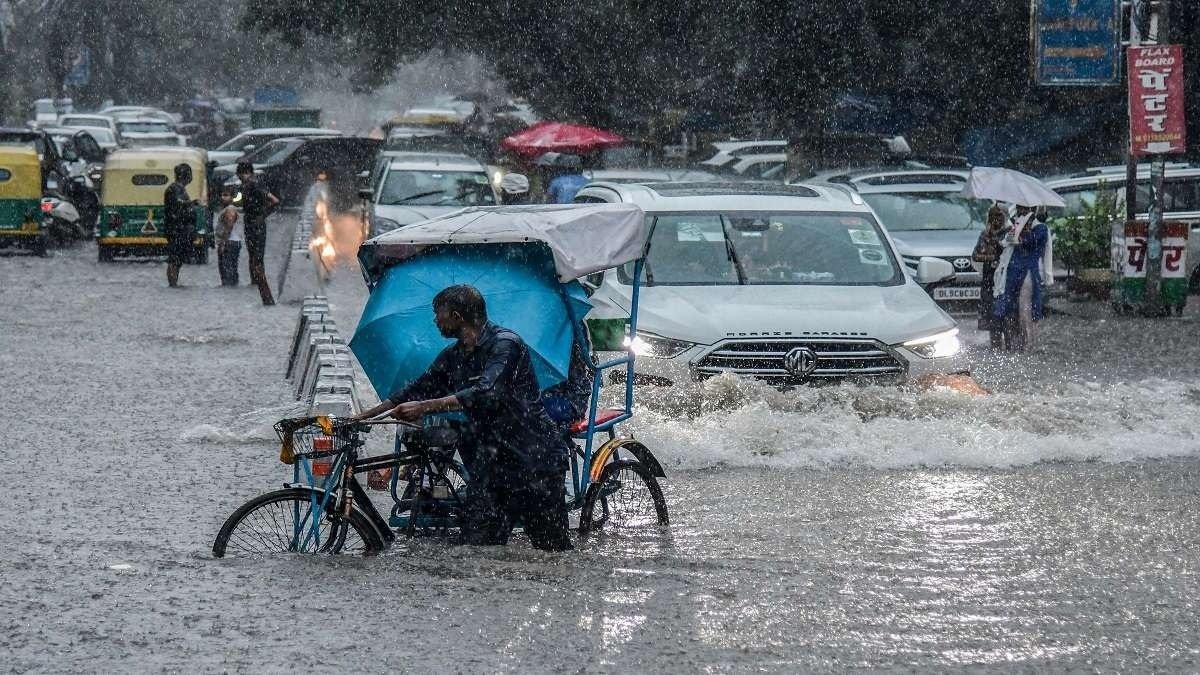

New Delhi: Several parts of India are facing a fresh spell of heavy rainfall as the India Meteorological Department (IMD) continues to issue weather warnings across different regions. Gujarat is among the areas facing the strongest immediate concern, while forecasts also point to rain, thunderstorms and unsettled weather across parts of northern, central, eastern and southern India.
The latest weather situation comes as the Southwest Monsoon begins its gradual withdrawal from northwest India. The IMD has indicated that monsoon withdrawal could begin around September 19, but officials have stressed that this does not mean rainfall will suddenly stop across the country. Several states are still expected to receive rain in the coming days.
Gujarat Faces Fresh Heavy Rain Threat
Gujarat is currently one of the main regions under close weather watch. The IMD’s Ahmedabad centre has forecast heavy rain over Saurashtra and Kutch on September 15, along with thunderstorms, lightning and gusty winds.
Kutch has been placed under a particularly serious warning, with forecasts pointing to intense rainfall, thunderstorms and strong winds. India Today reported that Kachchh was under a red alert on Tuesday, with heavy rain expected in parts of the region including Kachchh, Jamnagar and Somnath.
The warning is important because Gujarat has already experienced periods of intense monsoon rainfall this season. Heavy downpours can quickly lead to waterlogging, flash flooding, road closures and disruption to daily life.
Northern India Also Sees Rain Activity
The latest forecast shows that rainfall will continue in parts of northern India even as the monsoon begins its retreat.
The IMD expects fairly widespread rainfall over Jammu and Kashmir, Ladakh and adjoining areas from September 15 to 17. Haryana, Chandigarh, Delhi and Punjab are also expected to receive widespread rain on September 16 and 17.
Western and eastern parts of Uttar Pradesh and Rajasthan are also expected to see scattered rainfall over the next several days. Uttarakhand could continue receiving rain through September 20, increasing the need for caution in hilly areas where heavy showers can raise the risk of landslides and road disruptions.
Rain Continues in Southern States
Southern India is also expected to remain active from a weather perspective.
The IMD forecast indicates that Tamil Nadu, Puducherry and Karaikal could receive isolated heavy rainfall through September 20. Kerala and Mahe may also experience isolated heavy rain through September 16, while coastal Andhra Pradesh and Telangana are expected to see heavier rainfall later in the week.
However, the latest subdivision warning from the IMD shows that some parts of Karnataka have no active warning for September 15, demonstrating how rainfall conditions can vary considerably even between nearby regions.
Central and Eastern India Under Watch
Central India is also expected to see additional rain activity.
The latest forecast calls for isolated showers in Chhattisgarh, Madhya Pradesh and Vidarbha through September 20. West Bengal and Sikkim are expected to receive fairly widespread rainfall, while Bihar could see more widespread rain on September 16 and 17. Odisha is also expected to receive rainfall later in the week.
This broad distribution means that India’s weather situation remains active even though the country is moving toward the end of the main monsoon season.
Why the Monsoon Withdrawal Matters
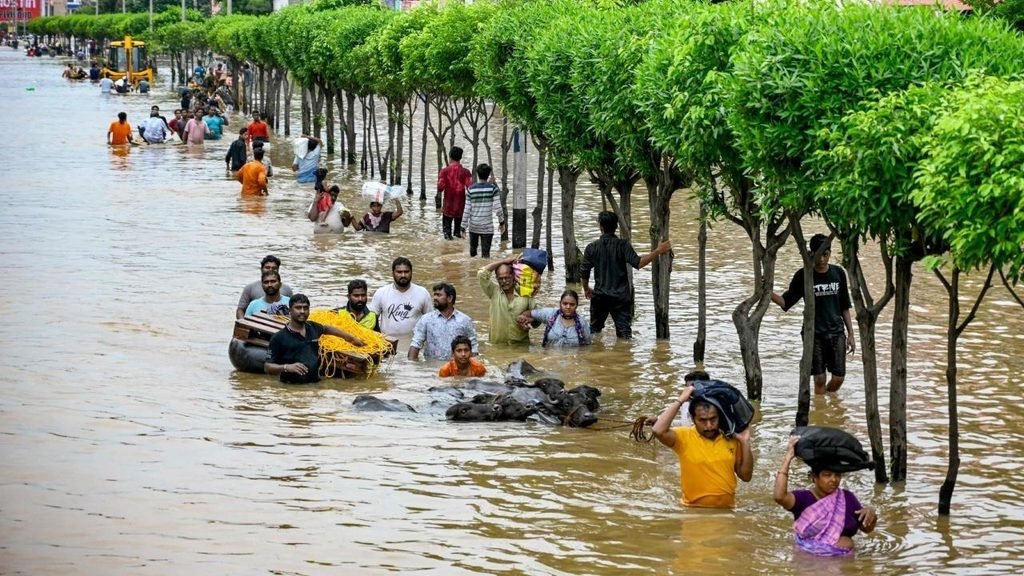
The expected beginning of monsoon withdrawal does not mean India is immediately moving into dry weather.
The monsoon normally starts withdrawing from northwest India around September 17, but the IMD currently expects the process to begin around September 19 this year. Rainfall can continue in central, eastern and southern parts of the country even after the withdrawal process begins in Rajasthan and neighbouring areas.
This creates a mixed weather pattern where some regions begin drying out while others continue experiencing strong rain systems.
Weather Could Affect Daily Life
Heavy rain can create several challenges for residents.
Urban areas may experience waterlogging and traffic congestion, especially where drainage systems cannot handle sudden downpours. Rural areas can face crop damage, flooded roads and interruptions to transport.
In hilly states, intense rainfall can also increase the risk of landslides and falling rocks. Travellers should therefore check local warnings before starting journeys, particularly in mountain and flood-prone regions.
There is also a risk of lightning and gusty winds in several areas. The IMD has advised people to remain cautious during thunderstorms and avoid exposed locations during lightning activity.
Rainfall Deficit Remains a Concern
While some areas are facing heavy rain, India’s overall monsoon season remains below normal.
According to the latest assessment cited by the Hindustan Times and NDTV Profit, India’s all-India rainfall deficit stood at around 15% as of September 13. Southern Peninsular India has recorded the largest regional shortfall, while East and Northeast India have also experienced significant deficits.
Several states, including Meghalaya, Andhra Pradesh, Arunachal Pradesh, Punjab, Bihar, Karnataka, Kerala and Tamil Nadu, have recorded significant rainfall deficits during the season.
This means that heavy rain in one part of the country does not necessarily eliminate the larger seasonal rainfall shortage elsewhere.
What Residents Should Do
People living in areas under heavy rain warnings should follow updates issued by the IMD and local authorities. During severe thunderstorms, residents should stay indoors when possible, avoid flooded roads and never attempt to cross fast-moving water.
Drivers should take extra care in areas experiencing poor visibility or waterlogging. People living near rivers, low-lying areas and vulnerable slopes should pay attention to local evacuation or safety announcements.
What to Expect Next
The coming days are likely to bring changing weather conditions across India. Gujarat remains one of the areas facing the most immediate heavy-rain risk, while northern, eastern and southern states continue to see periods of rain and thunderstorms.
As the monsoon slowly begins its seasonal withdrawal, India is likely to experience a mixed pattern of heavy rainfall in some regions and weakening monsoon activity in others.
For now, the message from weather authorities is clear: the monsoon may be approaching its final phase, but the risk of heavy rain has not ended. Residents across affected states should remain alert and follow the latest local weather advisories.
Also Read | Three Russian Aircraft Make First Foreign Landing at Noida Airport Ahead of BRICS Summit














Leave a comment