

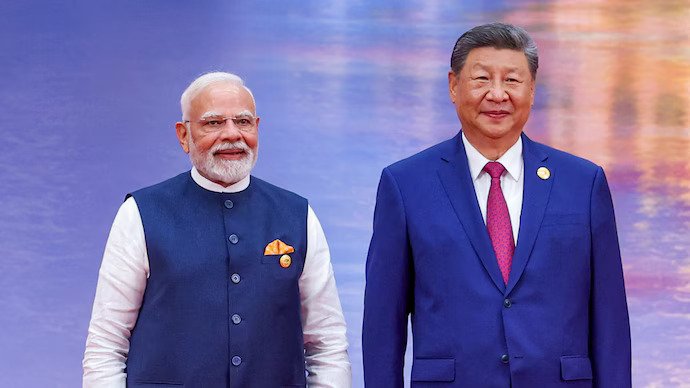

BRICS Summit 2026: PM Modi-Xi Meeting Likely
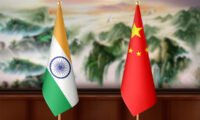
Prime Minister Narendra Modi and Chinese President Xi Jinping are expected to hold a bilateral meeting on the sidelines of the BRICS Summit 2026 in New Delhi. The meeting could become one of the most closely watched diplomatic engagements during the two-day summit on September 12 and 13.
India is hosting the 18th BRICS Summit at Bharat Mandapam as the group’s chair for 2026. The summit brings together leaders from BRICS member countries and partner nations to discuss economic cooperation, global governance, security and development.
Xi’s expected visit is particularly significant because it would mark his first trip to India since 2019. Relations between New Delhi and Beijing deteriorated sharply after the 2020 border clashes, but both sides have taken steps in recent years to reduce tensions and reopen dialogue.
Why the Modi-Xi Bilateral Matters
The proposed meeting comes at an important point in India-China relations. Both countries are trying to manage disagreements while also keeping economic and diplomatic channels open.
A face-to-face meeting between Modi and Xi could help strengthen the recent diplomatic thaw. Analysts say the two leaders may discuss the situation along the Line of Actual Control, economic relations, trade and other issues affecting bilateral ties.
The border remains one of the most sensitive issues between India and China. At the same time, trade between the two countries remains significant, making economic cooperation another important part of the relationship.
The meeting could therefore provide an opportunity for both leaders to review progress and consider additional steps to improve trust.
Xi Jinping’s India Visit Draws Global Attention
Xi’s expected attendance at the New Delhi summit has drawn attention beyond India and China. His visit comes as BRICS becomes a larger and more influential grouping in global diplomacy.
Reuters reported that Xi’s India visit could support a diplomatic thaw, although major disagreements and business-related concerns remain between the two countries. Mutual suspicion, regulatory questions and technology restrictions continue to create challenges for stronger economic ties.
At the same time, both governments have shown interest in expanding engagement in selected sectors. This suggests that the relationship may be moving toward a more cautious form of cooperation while strategic competition continues.
BRICS Summit 2026 Focuses on Practical Cooperation
India has chosen the theme “Building for Resilience, Innovation, Cooperation and Sustainability” for its BRICS chairship in 2026. The government says the approach is designed around people-focused and development-oriented cooperation.
New Delhi is expected to push several practical areas during the summit. These include resilient supply chains, startups, innovation, green energy, digital cooperation, trade and financial connectivity.
India is also seeking stronger cooperation in national-currency trade and reforms of global institutions. The government has emphasized practical outcomes rather than turning BRICS into an ideological or anti-Western platform.
This approach could shape discussions among the expanded BRICS membership.
Border and Trade Could Be Key Topics
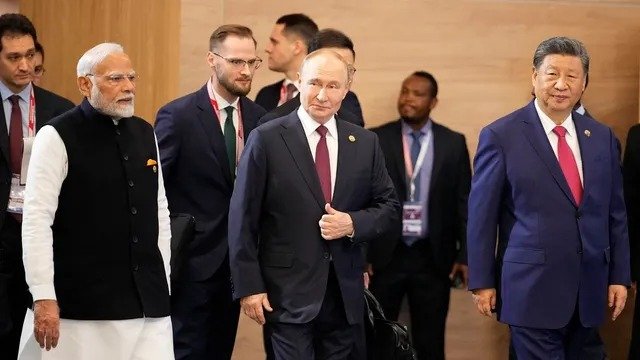
The Modi–Xi bilateral could focus on the broader effort to stabilize India-China ties.
Border management is likely to remain important because the relationship cannot fully normalize without progress on security concerns. Since the 2020 crisis, the two sides have worked through diplomatic and military channels to reduce tensions in several areas.
Economic relations are another major issue. China remains an important trading partner for India, while New Delhi is also trying to strengthen domestic manufacturing and reduce strategic dependence in sensitive sectors.
Recent changes have opened some space for investment and business engagement, but concerns remain over technology, market access and security screening.
BRICS Becomes an Important Diplomatic Platform
The BRICS grouping has expanded significantly in recent years, giving the summit greater diplomatic importance. India, China and Russia remain key members, while additional countries have increased the bloc’s economic and geopolitical weight.
However, the larger membership also creates challenges. Members do not always agree on international conflicts, economic policy or relations with Western countries.
India therefore faces a difficult balancing act. It wants BRICS to strengthen the voice of developing nations while maintaining strategic autonomy and productive relations with countries outside the group.
Global Issues Add Importance to the Summit
The New Delhi summit is taking place during a period of major geopolitical uncertainty. Conflicts in West Asia, the Russia-Ukraine war and growing competition between the United States and China are creating pressure on international institutions.
BRICS leaders are expected to discuss regional and global issues as they search for common ground. However, differences among members could make a joint position difficult on some sensitive questions.
India’s diplomatic challenge will be to keep the expanded group focused on areas where cooperation is possible.
What the Modi-Xi Meeting Could Mean
A successful Modi-Xi meeting could give a fresh push to India-China engagement. Progress on border stability could create more space for trade, investment and people-to-people exchanges.
However, expectations are likely to remain measured. Major differences over security, technology, trade and strategic competition cannot be resolved through a single meeting.
The larger significance of the bilateral relationship could therefore lie in the signals both leaders send about the future direction of the relationship.
BRICS Summit 2026 Sets the Stage for Diplomacy
The BRICS Summit 2026 will be an important test of India’s diplomatic leadership. New Delhi wants to promote practical cooperation while managing disagreements among a diverse group of major emerging economies.
For India and China, the expected ModI-Xi meeting could become a major moment during the summit. Their discussions may not solve every outstanding dispute, but they could help maintain dialogue and support efforts to stabilize bilateral relations.
With leaders gathering in New Delhi on September 12-13, attention will remain focused on whether BRICS can deliver concrete economic and diplomatic outcomes and whether the Modi-Xi meeting can add momentum to the India-China reset.
Also Read | India’s First-Quarter GDP Growth Hits 7.8% Despite Global Challenges











Leave a comment