

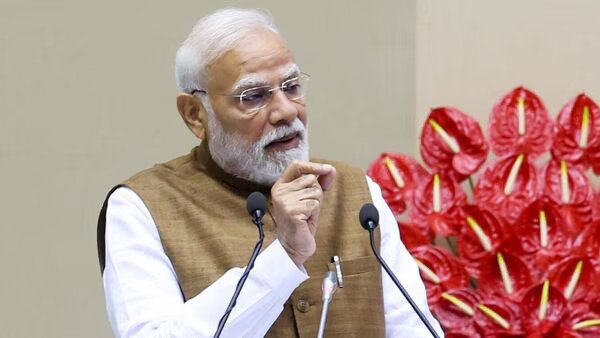

Meta apologises to the government after PM Narendra Modi video sparked controversy and prompted concerns about content moderation on social media platforms. The company issued a formal apology after a video related to the Prime Minister attracted criticism and led to questions about how such content was handled.
The incident quickly gained attention across India, with political leaders, government officials, and social media users discussing the matter. The controversy has also reignited the debate over the responsibility of technology companies to ensure accurate content moderation while protecting freedom of expression.
What Happened?
The controversy began after a video featuring Prime Minister Narendra Modi circulated on Meta-owned platforms. The content drew public attention because of concerns about its presentation, context, or moderation. Government officials raised objections and sought clarification from the company regarding how the video was managed.
As the issue gained momentum online, many users questioned whether stronger moderation systems were needed to prevent confusion and maintain trust in digital platforms.
Meta Issues an Apology
In response to the criticism, Meta acknowledged the concerns and apologised to the Government of India.
The company stated that it respects Indian institutions and values its relationship with users and authorities in the country. Meta also said it regrets any misunderstanding caused by the handling of the video.
The apology was welcomed by some observers as an effort to address the issue promptly, while others called for stronger safeguards to prevent similar incidents in the future.
Government Responds
The Indian government took note of the company’s apology and reiterated the importance of responsible content management on digital platforms.
Officials stressed that technology companies operating in India should follow applicable laws, maintain transparency, and respond quickly whenever concerns are raised.
The government also emphasized that social media platforms play a significant role in shaping public discourse and therefore have a responsibility to ensure that their systems function fairly and accurately.
Why the Incident Matters
India is one of Meta’s largest markets, with millions of users relying on Facebook, Instagram, and WhatsApp every day.
Any controversy involving national leaders or government institutions often attracts widespread public attention. As a result, the handling of political or public-interest content is closely monitored by regulators, policymakers, and users alike.
The latest incident highlights the challenges that large technology companies face in balancing open communication with responsible content moderation.
Meta’s Commitment to Content Moderation
Meta has repeatedly stated that it invests heavily in improving its content moderation systems.
The company uses a combination of:
- Artificial intelligence.
- Human reviewers.
- Community standards.
- Independent fact-checking partners.
- User reporting systems.
These tools help identify harmful or misleading content while allowing users to express their views within established community guidelines.
Meta said it will continue reviewing its internal processes to improve accuracy and reduce the possibility of similar incidents.
Growing Scrutiny of Social Media Platforms
The controversy comes at a time when governments around the world are increasing oversight of major technology companies.
Issues such as misinformation, fake news, AI-generated content, and election-related posts have placed additional pressure on social media platforms to improve transparency and accountability.
India has also introduced digital regulations that encourage platforms to respond more effectively to complaints and cooperate with authorities when required.
Public Reaction
The incident generated mixed reactions online.
Some users appreciated Meta’s decision to apologise quickly, viewing it as a responsible step toward resolving the issue.
Others argued that technology companies should strengthen their moderation systems to reduce the likelihood of similar situations occurring again.
Experts noted that maintaining public trust requires consistent enforcement of platform policies and timely communication whenever mistakes occur.
Challenges for Technology Companies
Managing billions of posts every day is a complex task.
Technology companies must balance several priorities, including:
- Freedom of expression.
- User safety.
- Accuracy of information.
- Compliance with local laws.
- Transparency in moderation decisions.
As artificial intelligence becomes more involved in content moderation, companies continue working to improve automated systems while ensuring human oversight remains available for sensitive cases.
India remains one of the world’s fastest-growing digital economies.
Looking Ahead
Following the apology, Meta is expected to continue working with Indian authorities to address concerns and improve its content moderation practices.
Experts believe the company may introduce additional safeguards, improve review processes, and strengthen communication channels to prevent similar incidents in the future.
The episode also serves as a reminder that transparency and accountability remain essential for maintaining public confidence in online platforms.
Conclusion
The news that Meta apologises to the government after PM Narendra Modi video highlights the growing importance of responsible content moderation in today’s digital world. While the company responded with a formal apology, the incident has sparked broader discussions about technology, accountability, and the role of social media in public life.
As India continues to expand its digital ecosystem, cooperation between technology companies and government institutions will remain essential. For Meta, rebuilding trust will depend on transparent policies, stronger moderation systems, and a continued commitment to respecting local laws and user expectations.
Also Read / Australia and India Finalizing Air-to-Air Military Aircraft Refueling Agreement











Leave a comment