


The ballroom inside New Delhi’s Confederation of Indian Industry summit was unusually tense on Monday morning. Executives who usually spoke in the language of growth targets and quarterly optimism were now whispering about oil prices, currency pressure, and supply chain shocks spilling out of the Middle East.
Outside, traders watched the rupee weaken. Airline stocks slipped. Crude oil climbed again.
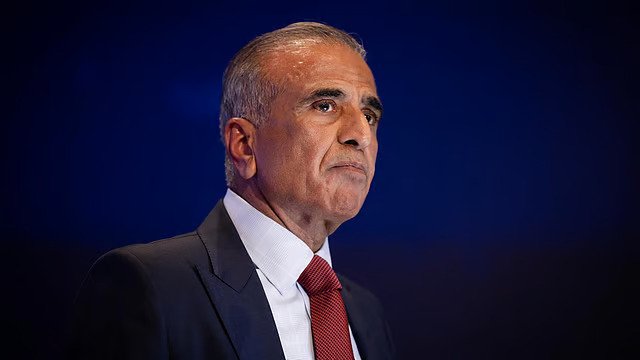
Then Sunil Bharti Mittal took the stage.
India, he warned, could not “escape the difficulties” of a world suddenly shaped by war-driven economic uncertainty. But his prescription startled many in the room: don’t slow down. Spend more. Invest more. Build faster.
At a moment when companies across the globe are cutting costs and preserving cash, some of India’s most powerful industrialists are urging corporate India to do the opposite — to double down on domestic investment before global turbulence reshapes the economy for years to come.
The message marks a dramatic shift in how India’s business elite views the crisis.
For decades, Indian companies responded to geopolitical shocks with caution. Expansion plans paused. Hiring slowed. Capital expenditure dried up. But the current moment appears different. Industry leaders increasingly believe global instability may actually accelerate India’s rise as multinational firms rethink supply chains, manufacturing hubs, and energy security.
Mittal pointed to aggressive domestic spending by companies like Bharti Airtel, which reportedly invested tens of thousands of crores into infrastructure and network expansion even amid uncertainty. The logic is straightforward: nations that continue building during crises often emerge stronger when markets stabilize.
The timing, however, is brutal.
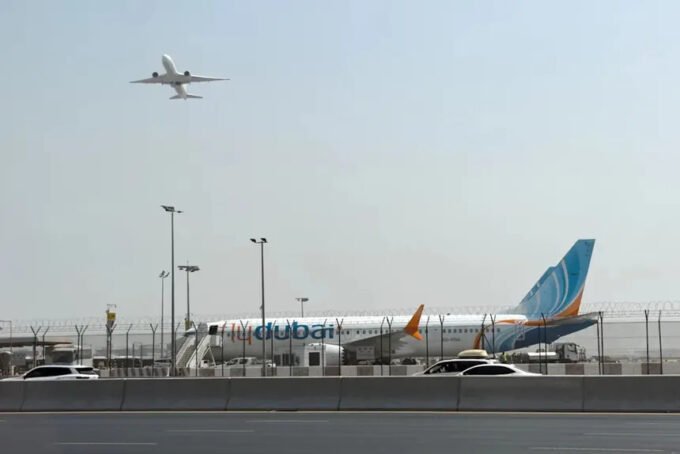
India is already grappling with soaring crude oil prices linked to the escalating Middle East conflict. Markets reacted sharply this week as concerns mounted over inflation, foreign exchange reserves, and import costs. Analysts warned that sectors dependent on fuel aviation, hospitality, logistics, and manufacturing could face mounting stress if the crisis deepens.
Prime Minister Narendra Modi has responded with an appeal that feels almost wartime in tone: conserve fuel, reduce unnecessary imports, postpone luxury spending, and prioritize domestic production.
Corporate India now faces two competing instincts.
The first is defensive: preserve cash, freeze expansion, wait for stability.
The second is strategic: seize the disruption before competitors do.
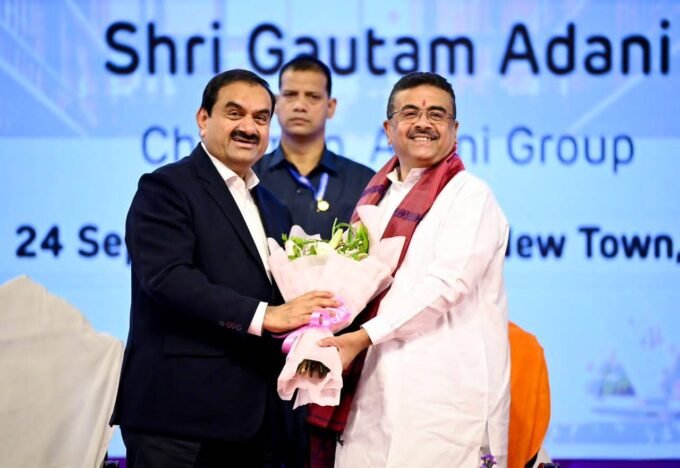
That second argument is gaining momentum among India’s industrial elite. At the same CII summit, Gautam Adani argued that the old assumptions behind globalization, cheap energy, frictionless trade, and stable shipping routes no longer apply. The world, he suggested, is entering a new economic era where resilience matters more than efficiency.
This is not just rhetoric. It is already reshaping business decisions.
Companies are reevaluating dependence on imported energy. Manufacturers are accelerating local sourcing. Infrastructure groups are betting heavily on transport, logistics, renewable energy, and digital networks. Even discussions around “economic patriotism” once seen as political language are now entering corporate boardrooms.
Still, the risks are real.
If oil prices continue climbing, inflation could squeeze household spending. The rupee could weaken further. Consumer demand may soften. Some companies have already begun tightening discretionary expenses. Air India recently asked departments to slash non-essential spending while assuring employees that layoffs were not planned.
Behind the speeches and summit headlines lies a deeper anxiety: India’s economic momentum is now tied to events unfolding thousands of kilometers away.
Yet there is also a larger bet taking shape.
Indian business leaders increasingly believe the country may benefit from a fractured global order but only if companies continue investing while competitors retreat. The calculation is risky, expensive, and politically charged. But for executives staring at a rapidly changing world map, hesitation may feel even more dangerous than expansion.
India Inc is no longer treating global crises as temporary storms to wait out. Its biggest business leaders are framing this moment as a test of national economic ambition: build through the uncertainty now, or risk missing the next phase of global growth altogether.
Also Read / The Numbers Weren’t Enough: How Vijay’s Election Victory Became a Constitutional Battle








Leave a comment