

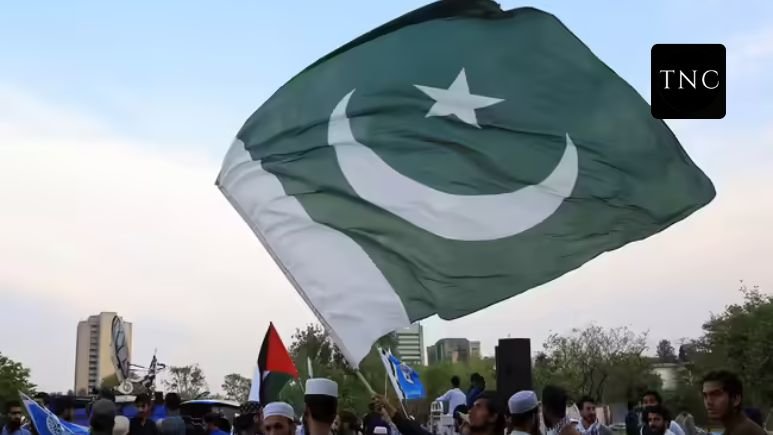

By 6 a.m., the line had already curled around the block.
A woman in Karachi clutched a steel tiffin, waiting outside a bakery that had become, overnight, a lifeline. Inside her apartment, the stove hadn’t lit in days. No gas. No way to cook. “We just need roti,” she muttered, shifting her weight as the queue inched forward. Behind her, a motorbike driver scrolled through rising fuel prices on his phone. Ahead, a shopkeeper argued about LPG cylinders that had doubled in price.
In the distance, the city buzzed not with routine but with anger.
What is unfolding in Pakistan is not just an energy shortage. It is a convergence of crises, global conflict, economic fragility, and systemic inefficiencies colliding in real time. As the war in West Asia disrupts oil and gas routes, Pakistan’s heavy dependence on imported energy has turned into a domestic emergency, triggering protests in cities like Karachi and Lahore and exposing deep structural cracks in the country’s power system.
This story matters because it shows how geopolitics doesn’t stay on battlefields. It travels through supply chains, fuel prices, and power grids until it lands in kitchens, streets, and public unrest.
Pakistan’s energy crisis is not new. What’s new is the pressure.
For years, the country has relied on imported fuel, roughly 85–90% of its oil and gas, much of it passing through the Strait of Hormuz, a choke point now threatened by conflict. When that route destabilizes, Pakistan doesn’t just pay more, it risks running short.
And the prices have already surged. In March 2026, petrol prices jumped by about 20%, pushing everyday costs beyond reach for millions. For a population already battling inflation, that increase ripples quickly from transport fares to food prices.
But the shortages go deeper than global markets.
Pakistan technically has enough installed electricity capacity. Yet power cuts known locally as load shedding persist due to transmission bottlenecks, financial debt, and inefficiencies in distribution. The result: a paradox where electricity exists, but doesn’t reliably reach homes.
Now layer on gas shortages.
In Karachi, unannounced outages have left families unable to cook basic meals, triggering frustration that spills onto the streets. In other cities, protests have been fueled not just by darkness but by a sense of abandonment.
And then there’s geopolitics.
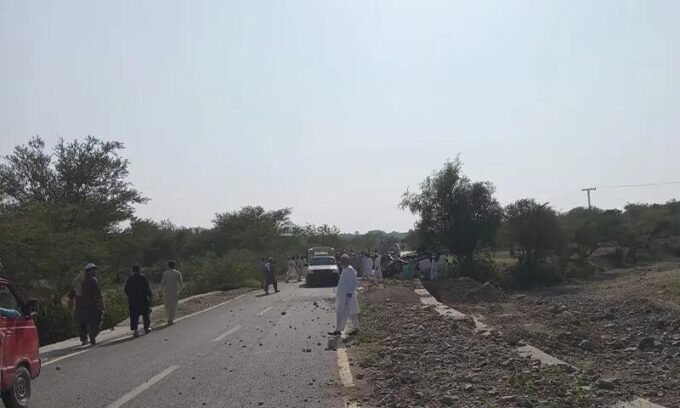
The 2026 conflict involving Iran has done more than disrupt energy; it has ignited political unrest. Violent protests erupted across Pakistan, including deadly clashes near diplomatic sites, reflecting how foreign policy tensions can inflame domestic instability.
Yet amid the crisis, a quiet shift is underway.
Across rooftops in Lahore and Karachi, solar panels are multiplying. In just a few years, solar energy has grown to supply a significant share of electricity, offering households a rare escape from unreliable grids. Meanwhile, rising fuel costs are pushing people toward electric bikes, an improvised adaptation to a system under strain.
These are not policy-led revolutions. They are survival strategies.
Pakistan’s energy crisis isn’t just about power cuts or fuel prices. It’s about what happens when a nation’s lifelines energy, economy, and stability depend on forces beyond its control.
When global conflict tightens supply, the first signs aren’t seen in policy rooms. They show up in empty kitchens, long queues, and restless streets.
And unless the system changes from dependence to resilience the next crisis won’t just switch off the lights.
It will turn up the heat.







Leave a comment